One of America’s pioneering filmmakers had nothing to do with Hollywood but nevertheless left his mark on the emerging industry. Oscar Micheaux was a homesteader, who then turned his attention to making movies in the early 1900s. He was a Black man who made movies for Black audiences at a time when they weren’t allowed into mainstream, white-only theaters. And for several pivotal years in the 1920s, he operated out of Roanoke, Virginia.
Whatever you call what happened at the U.S. Capitol on Jan. 6, 2021, a rally — a protest — a riot — or an insurrection, the congressional investigation and hearings are forging new territory.
On this episode of Us & Them, we look at who’s watching the hearings, who’s not and why. What some call a clarifying moment in our nation’s experiment in democracy is surprisingly forgettable to others.
Host Trey Kay listens to a range of opinions about what that day meant and finds a new layer of uncomfortable truths behind how people feel. Kay uses the Us & Them approach to listen to others and finds, to his surprise, the outcome is far from what he imagined.
This episode of Us & Them is presented with support from the West Virginia Humanities Council, the Greater Kanawha Valley Foundation and the CRC Foundation.
Subscribe to Us & Them on Apple Podcasts, NPR One, RadioPublic, Spotify, Stitcher and beyond.
Chris Jones
/
100 Days in Appalachia
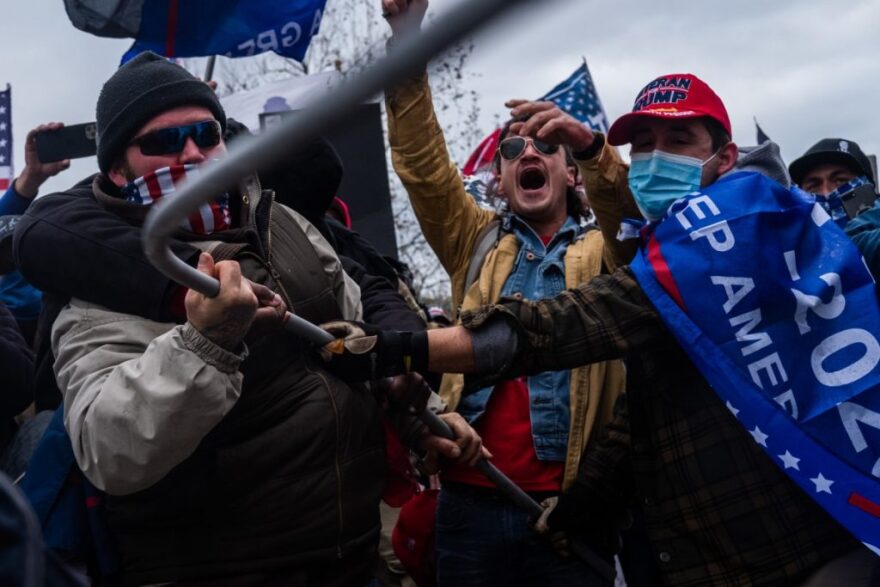
Armed rioters stormed the U.S. Capitol on Jan. 6, 2021. The face off with Capitol police to enter the building during a session of Congress resulted in the deaths of 5 people, including a Capitol Police officer.
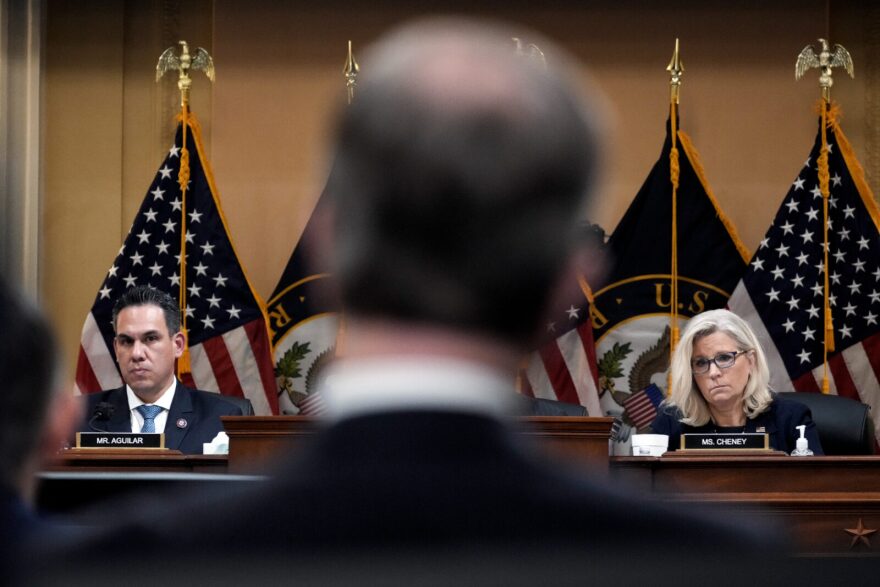
House January 6th Select Committee listening to testimony in the summer of 2022.
Ed Gabriels
/
Us & Them host Trey Kay is a devotee of open water swimming. He says “It’s where I get my best thinking done.” He was swimming while protesters stormed the U.S. Capitol on Jan. 6, 2021 and he has taken to the water to process the January 6th Hearings.
Add WVPB as a preferred source on Google to see more from our team
Most West Virginia leaders have expressed support for the U.S.-led attack on Iran over the weekend, which led to the death of the nation's Supreme Leader, Ayatollah Ali Khamenei.
One of America’s pioneering filmmakers had nothing to do with Hollywood but nevertheless left his mark on the emerging industry. Oscar Micheaux was a homesteader, who then turned his attention to making movies in the early 1900s. He was a Black man who made movies for Black audiences at a time when they weren’t allowed into mainstream, white-only theaters. And for several pivotal years in the 1920s, he operated out of Roanoke, Virginia.
This week, in the 1920s, Oscar Micheaux was an entrepreneur filmmaker in western Virginia. He became a world-renowned director and producer. Also, Kentucky’s poet laureate lives down the road from what has been called the country’s most lethal cryptid. Attempts to spot it have led to deaths. And, we talk soul food with Xavier Oglesby, who’s passing on generations of kitchen wisdom to his niece.
We listen to an excerpt from the latest Inside Appalachia and learn about the influence and contributions of Oscar Micheaux, an African American filmmaker who lived in Virginia in the 1920s and shattered stereotypes.