Alert (March 14, 2026): Due to recent high winds, our radio/TV tower in Bethany is not operational. Our engineers are working to resolve the issue. Alert (March 11, 2026): Our TV translator in Flatwoods is experiencing technical issues. Our engineers are troubleshooting the problem and expect it to be down for a couple days.
Thank you for your patience.
This week, a new novel about two girls and an astronomy textbook draws inspiration from one of the quietest places in West Virginia. Also, author Annette Saunooke Clapsaddle talks about growing up as part of the Eastern Band of Cherokee Indians. And, a Kentucky tattoo artist practices traditional tattooing and traditional music. He says they’re not too different.
Us & Them Encore: Who’s Going To Take Care Of Maw Maw?
Listen
Share this Article
We’re an aging nation.
Today, 16% of Americans are over 65. In the next few decades, that will double as the youngest Baby Boomers move into old age. But in West Virginia, that future is now. It’s the third oldest state in the nation, and more than 20% of its residents are over 65. At the same time, West Virginia’s birth rate is low because young people are leaving. That generational imbalance will increase in coming years.
The numbers show a growing crisis. Senior care has shifted from a nursing home model to one focused on aging in place. The cost of care is lower the longer people stay in their homes and that’s led to an explosion in home-based support and care services. But now, those companies can’t find the workers they need to provide services for the growing elderly population.
This episode of Us & Them is presented with support from the Claude Worthington Benedum Foundation and the West Virginia Humanities Council.
Subscribe to Us & Them on Apple Podcasts, NPR One, RadioPublic, Spotify, Stitcher and beyond.
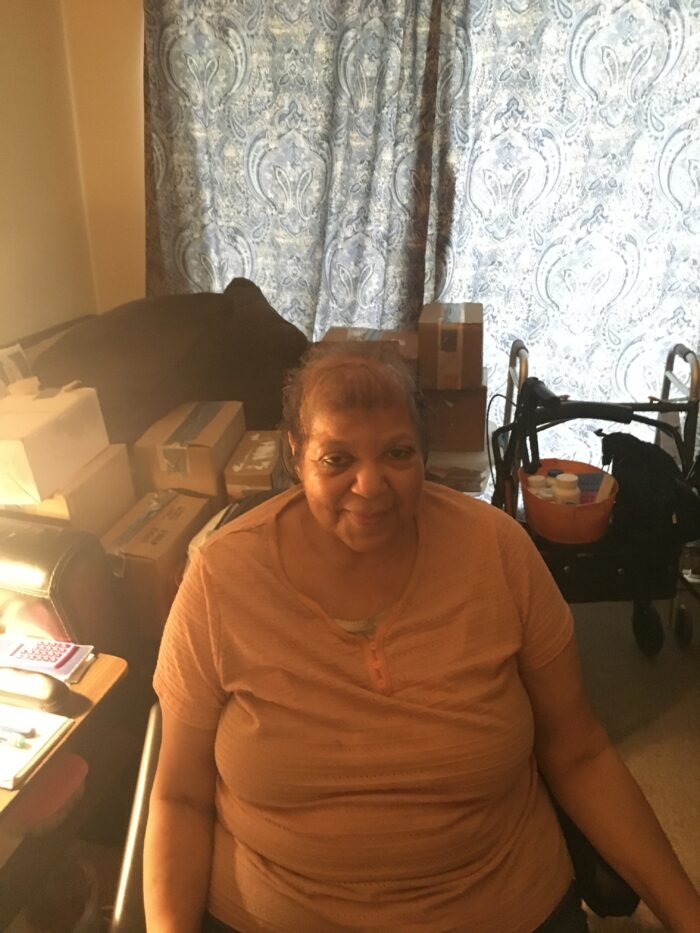
Phyllis Nichols lives in a Section 8 housing facility in Charleston, W.Va., designated for elderly residents and people with disabilities. A specialized caregiver visits several times a week to help her age in place.
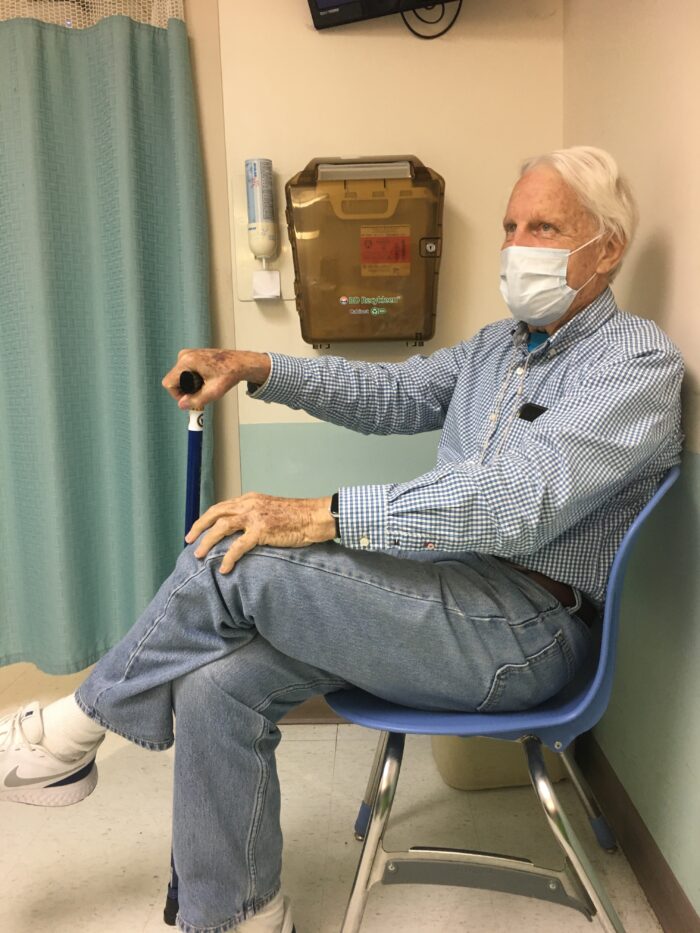
Photo Credit: Trey Kay/West Virginia Public BroadcastingThe Rev. Jim Lewis, a retired Episcopal priest in Charleston, W.Va., waits for a medical appointment. After suffering a series of strokes, Lewis was no longer able to live safely on his own, and his children, who live in other parts of the country, helped move him into an elder care facility.
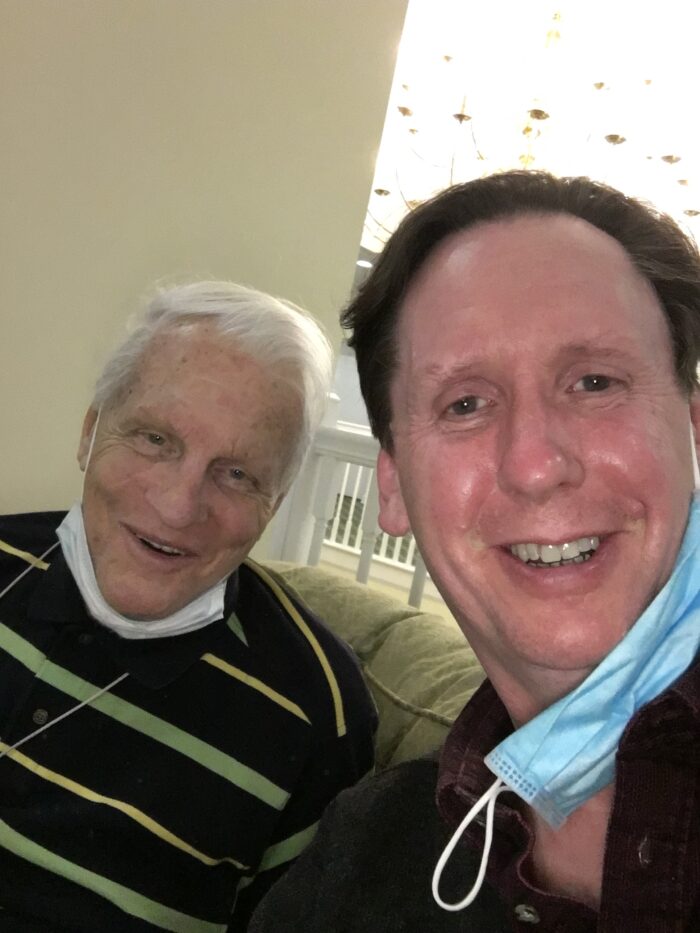
Photo Credit: Trey Kay/West Virginia Public BroadcastingTrey Kay visits Rev. Jim Lewis at his new residence in a retirement community.
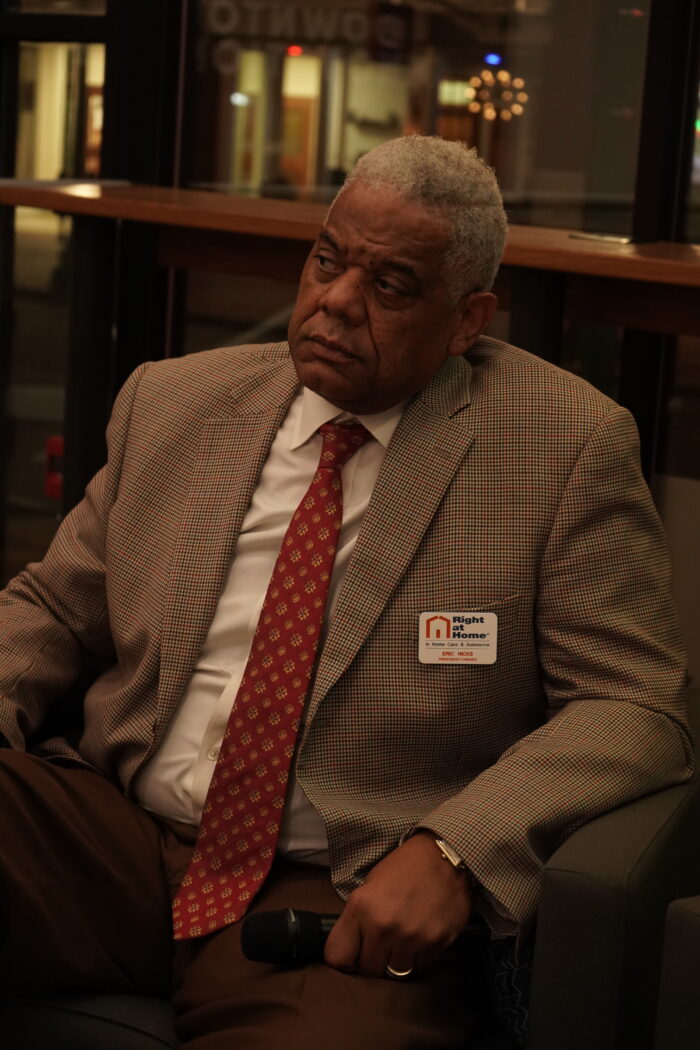
Photo Credit: Trey Kay/West Virginia Public BroadcastingEric Hicks, CEO of Right at Home in Charleston, W.Va., helped pioneer the growth of in-home care services after recognizing the coming surge in the elderly population and the shift away from institutional care.
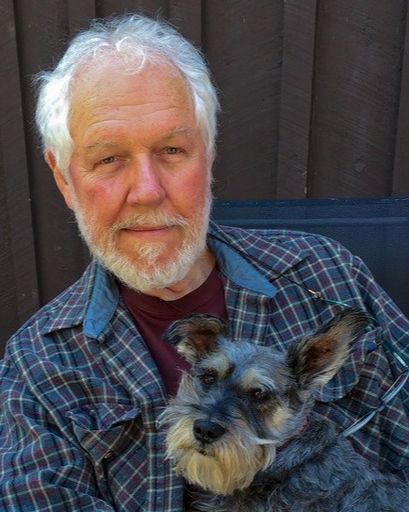
Photo Credit: Bobby Lee MesserJoe Monk, a retired art professor, talks with his cousin Trey Kay, on the back porch of his cabin in the Blue Ridge Mountains in Bath County, Va., about multigenerational caregiving. Monk grew up watching family members care for elders and later welcomed aging relatives into his own home. He died in December 2024.
Photo courtesy of the Monk Family
Add WVPB as a preferred source on Google to see more from our team
On this West Virginia Week, a group sues over SNAP waivers, the coal forecast for next year is gloomy, and we learn how online gambling is affecting college students.
On The Legislature This Week, our legislative reporters discuss bills nearing the finish line and our student reporter talks to first responders about a new safety bill.
Host and reporter Randy Yohe speaks with Senior Reporter Chris Schulz and Assistant News Director Maria Young. They discuss some of the biggest bills they covered during the 2026 regular session of the West Virginia Legislature — and what issues did not come up. They also look ahead to the legislature's final day, Saturday, March 14.
This week, a new novel about two girls and an astronomy textbook draws inspiration from one of the quietest places in West Virginia. Also, author Annette Saunooke Clapsaddle talks about growing up as part of the Eastern Band of Cherokee Indians. And, a Kentucky tattoo artist practices traditional tattooing and traditional music. He says they’re not too different.