Alert (09/29/2026): Our Parkersburg TV transmitter is still undergoing maintenance and remains temporarily inoperative. We apologize for the inconvenience.
All our programming is available via our TV livestreams on our website and WVPB Passport. Thank you for your patience!
Inside Appalachia Host Mason Adams met with author Barbara Kingsolver at her home outside Abingdon, Virginia, a couple weeks before her new novel "Partita" was set to publish.
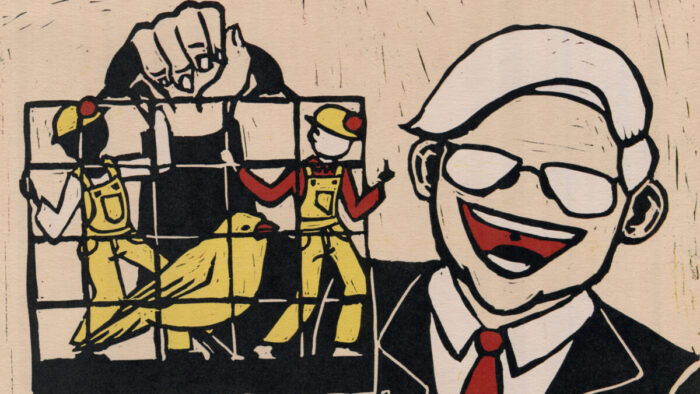
WVU Students Carve Prints From Stories On Inside Appalachia
Meghan Sterrett “Bearing the thought of being disposable.”
Courtesy of Joseph Lupo
We occasionally hear from educators who find ways to work Inside Appalachia into their classrooms. In December, the show was tagged in an Instagram post by West Virginia University (WVU) art professor Joseph Lupo.
The post showcased four-color reductive relief prints made by WVU students — each one inspired by a story or episode they heard on Inside Appalachia.
Host Mason Adams spoke with three of Lupo’s students and asked them to describe their work and its connection to the show. But first, he asked Lupo to explain the assignment he gave his class.
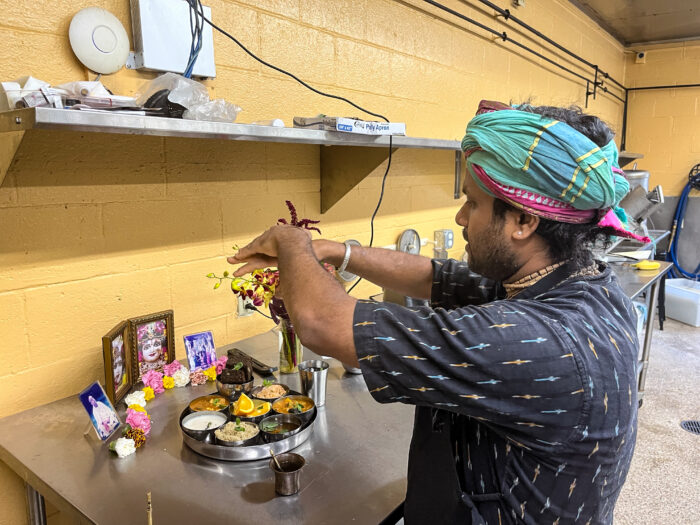
The Three Kitchens Of New Vrindaban
Saci Suta offers food to Krishna in the devotee kitchen.
Photo Credit: Zack Harold/West Virginia Public Broadcasting
New Vrindaban is a Hare Krishna community in West Virginia’s Northern Panhandle. It started in the late 1960s and is home to a few hundred permanent residents — but thousands of pilgrims visit each year. They come to worship in the temple — and to visit the opulent Palace of Gold.
But those main attractions were a pretty small part of Folkways reporter Zack Harold’s trip. He ended up spending much of his time in the kitchen.
New Book Exposes ‘America’s Contempt’ For Marginalized Underclass
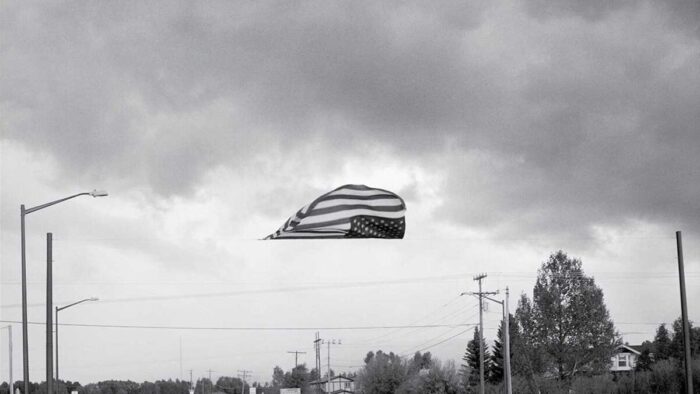
The cover of Sarah Jones’ new book Disposable: America’s Contempt for the Underclass.
Photo courtesy of Sarah Jones/Simon & Schuster
More than one million Americans have died from COVID-19. Some groups of folks died at much higher rates than others. And those deaths tended to follow lines of race, class, age and disability. In other words, conditions that were already making life harder for some people played out during the pandemic, too.
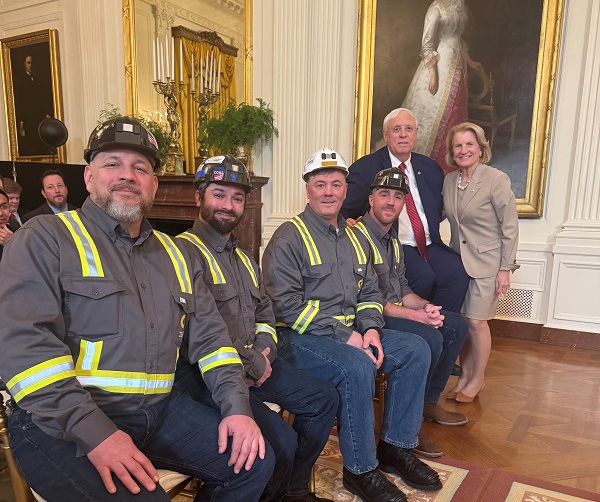
West Virginia Republican Sens. Jim Justice and Shelley Moore Capito pose with coal miners at a White House event where President Donald Trump signed executive orders to loosen regulations for coal mining.
Courtesy Office of Sen. Shelley Moore Capito.
The Trump administration has slashed federal jobs and loosened energy production regulations, and delayed a Biden-era rule to protect miners against silica dust, which contributes to black lung disease. Last April, we spoke with Leann Ray, the editor-in-chief of the nonprofit news outlet, West Virginia Watch, about an editorial she wrote.
------
Our theme music is by Matt Jackfert. Other music this week was provided by Tim Bing, Frank George, Blue Dot Sessions and Hello June.
Bill Lynch is our producer. Abby Neff is our associate producer. Our executive producer is Eric Douglas. Kelley Libby is our editor. Our audio mixer is Patrick Stephens. We had help this week from Folkways editor Chris Julin.
You can send us an email: InsideAppalachia@wvpublic.org.
Generations ago, kudzu was introduced to Appalachia to help control erosion and provide forage for cattle. But then, it kind of just took over. Kudzu is an invasive plant that chokes out native greenery. Some people are fighting back. Folkways Reporter Eliza Benbow spent time with the kudzu warriors in western North Carolina.
Inside Appalachia Host Mason Adams met with author Barbara Kingsolver at her home outside Abingdon, Virginia, a couple weeks before her new novel "Partita" was set to publish.
On this West Virginia Week, a mine operation in Kanawha County gets a WARN Notice, three Wyoming County Schools will remain closed until next week, and we learn the origins of the Flatwoods Monster.
This week, Barbara Kingsolver’s new novel takes on issues of class and classical music. Also, kudzu warriors band together to fend off invasive plants and take back the land. And, it’s pawpaw season, but a new bug could be harming the trees.