Volunteers Take On Needed Repairs For Annual 'Day Of Caring'
More than 1,200 volunteers spent Wednesday in six counties of central West Virginia for the United Way's 21st annual Day of Caring.
Continue Reading Take Me to More NewsAlert (09/10/2026): Our Parkersburg TV transmitter is undergoing maintenance for a few days and will not be operational. We apologize for any inconvenience.
All our programming is available via our TV livestreams on our website and WVPB Passport. Thank you for your patience!




To Educate, Inform, and Inspire by Telling West Virginia's Story

Mountain Readers Week will be held Oct. 5-9, 2026! Sign up to read in your community!
Learn more about Be My Neighbor Day! And check out our recap from last year.

On Demand

On Demand

Stream original productions from WVPB

Watch locally produced documentaries & more.

On Demand

On Demand






West Virginia Morning

Inside Appalachia

West Virginia Week

Mountain Stage

Us & Them

The Legislature Today

The Legislature This Week

Send us your comments and questions.

Stream our board meetings.

Check out the latest WVPB news.

Sign up for our newsletter and get weekly updates.

Meet the WVPB staff.

WV Educational Broadcasting Commission, the WVPB Foundation, and the Friends of WVPB.

Come work with us!

Read our annual report and learn how we educate, inform and inspire with your support.

Sponsor impactful and engaging media and entertainment.

Use your IRA to make a gift to WVPB.

Become a member with your gift of $1,000 or more.

Make WVPB part of your legacy.

Manage your membership account.

Learn how you can Protect and Sustain West Virginia Public Broadcasting.
The chef of an award-winning Asheville restaurant says he was shaped by memories of growing up in West Virginia.
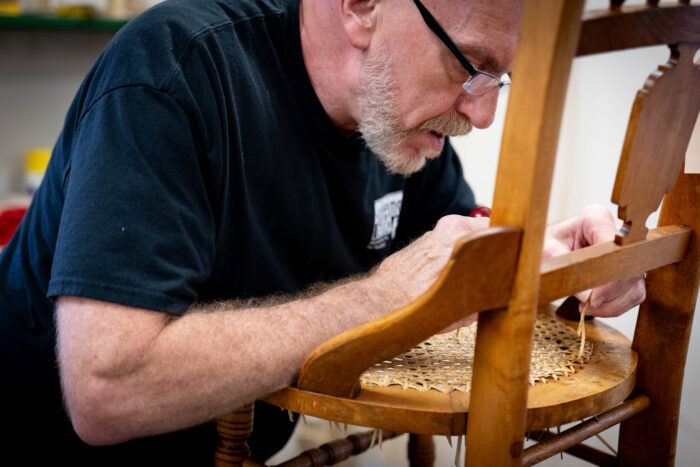
The Seeing Hand Association brings together people who are visually impaired to learn the craft of chair caning.
And a West Virginia community grapples with its population of feral cats.
You’ll hear these stories and more this week, Inside Appalachia.
In This Episode:
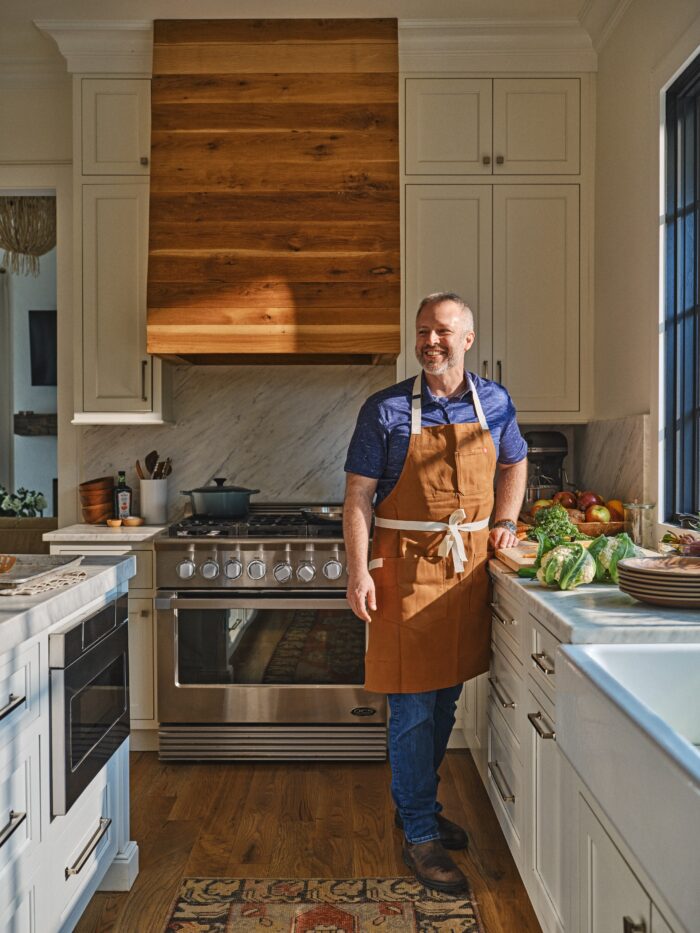
Chef William Dissen’s memories are seasoned with the flavors of West Virginia’s mountains. He’s now taking some of those memories and turning them into award-winning cuisine at his James Beard Award-nominated restaurant, The Market Place, in Asheville.
Folkways Reporter Margaret McLeod Leef spoke with Dissen while he was in Charleston with his debut cookbook, Thoughtful Cooking.
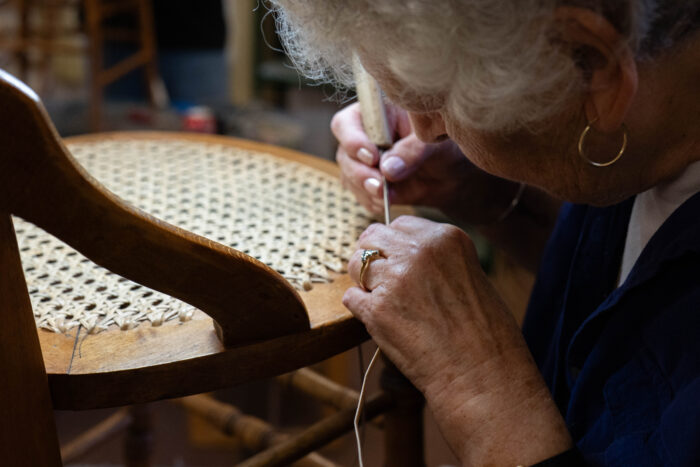
A lot of folks in Appalachia grew up with caned chairs in the house, but you don’t see them as much as you used to. Cane breaks down over time and needs to be replaced. Few people know how to do that.
At a workshop in Wheeling, West Virginia, a community of skilled workers repair old chairs – and show that not everything that looks broken has to be thrown out.
Folkways Reporter Clara Haizlett brings us the story.
Clara also produced a short video about the people at Seeing Hand. That video, and a few others, will appear on West Virginia Public Broadcasting as part of an Inside Appalachia television special. The episode premiers at 8 p.m. on Thanksgiving on WVPB and will be available to watch online starting Nov. 25.
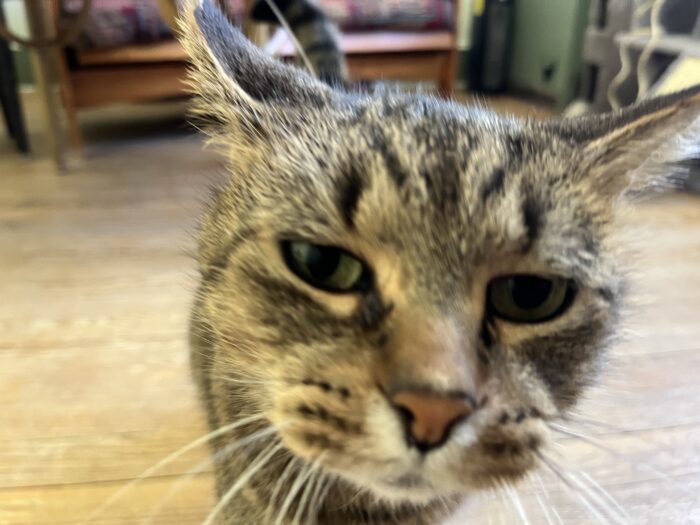
West Virginia is home to more than 100,000 stray cats. Most aren’t spayed or neutered, which only increases the problem of overpopulation.
Pet advocates say subsidies for the procedure and pop-up clinics can help, but as WVPB’s Jack Walker reports, so can creative efforts to find cats a home.
-----
Our theme music is by Matt Jackfert. Other music this week was provided by Christian Lopez, Harvey & Copeland, Todd Burge, Dinosaur Burps, Paul Loomis and Blue Dot Sessions.
Bill Lynch is our producer. Zander Aloi is our associate producer. Our executive producer is Eric Douglas. Kelley Libby is our editor. Our audio mixer is Patrick Stephens. We had help this week from folkways editor Chris Julin.
You can send us an email: InsideAppalachia@wvpublic.org.
You can find us on Instagram and Twitter/X @InAppalachia. Or here on Facebook.
Sign-up for the Inside Appalachia Newsletter!
Inside Appalachia is a production of West Virginia Public Broadcasting.

Add WVPB as a preferred source on Google to see more from our team

A new book called "Appalachian Plants: In the Garden, In the Yard, and In the Wild" explores some of the history and lore of plants that have been used by many in the region. Inside Appalachia’s Mason Adams spoke with author Linda Hager Pack and illustrator Pat Banks about their book.
Continue Reading Take Me to More NewsData center proposals are popping up in West Virginia – and in neighboring Pennsylvania, where one small community is juggling seven different potential projects. From The Allegheny Front, a public radio program based in Pittsburgh, we hear from that community and their concerns.
Continue Reading Take Me to More NewsMany West Virginians may not remember the name Doris “Dorie” Miller, but he served on the USS West Virginia when it was attacked at Pearl Harbor. While Miller was never trained to fight, he raced to the deck on the day of the attack and fought back - shooting down at least one enemy plane. In 2020, a new aircraft was commissioned by the U.S. Navy and named for Miller. But recent stories have surfaced with talk of renaming it after President Donald Trump. We speak with Scott Womack, the commander of American Legion Post 100 in Monroe, West Virginia, to discuss the group’s recent resolution that the Navy should retain Miller’s name on the ship.
Continue Reading Take Me to More NewsOn this West Virginia Week, the state signs a memorandum of understanding about nuclear energy, the Public Service Commission disputes need for a transmission line, and 9/11 is remembered.
Continue Reading Take Me to More News