One of America’s pioneering filmmakers had nothing to do with Hollywood but nevertheless left his mark on the emerging industry. Oscar Micheaux was a homesteader, who then turned his attention to making movies in the early 1900s. He was a Black man who made movies for Black audiences at a time when they weren’t allowed into mainstream, white-only theaters. And for several pivotal years in the 1920s, he operated out of Roanoke, Virginia.
These Groups are Reforming West Virginia's Food Economy
Listen
Share this Article
The phrase “food-desert” might sound like a landscape of sagebrush and armadillos, but it’s really a place where SlimJims, chicken nuggets and Slurpies count as dinner. A food desert can happen anywhere- we’ve all seen them. People who live in a food desert may be surrounded by food—fast food or convenient store hotdogs, instead of fresh, healthy food.
Even in rural West Virginia, where small farms still dot the roadside, fresh food isn’t available to all people. In some places it can take over an hour just to reach the next grocery store. Reawakening some of the old, small farm traditions– and bringing a new local food movement to West Virginia– is the work of five non-profits that were highlighted by the James Beard Foundation. Groups were chosen based on their work to bring healthy, local food to more people.
“We focus on helping people connect with each other so they can educate each other and be stronger together,” said Spellman.
The coalition trains farmers and advocates for statewide policies that help nurture small farmers.
Spellman says that because West Virginia has the highest number of small farms per capita in the country, there is a unique opportunity here to help transform the local food economy.
Credit Roxy TOdd
/
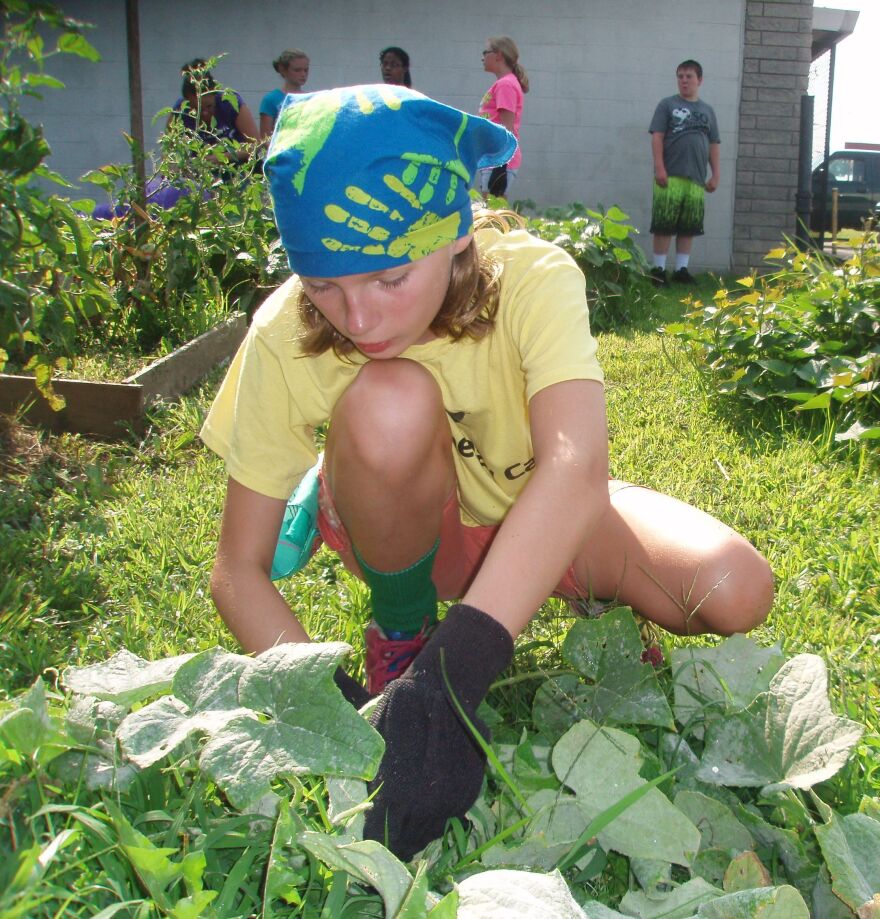
Children with a YMCA camp helping find harlequin beetles in the West Side Community Garden Project in Charleston
“Yeah, and we’re uniquely positioned to show what a small farm state can do because we don’t really have that many large farms. We’re mostly small farms. And people relying on each other and working together.”
Each year, the West Virginia Legislature passes bills to align definitions and rules in state tax code with federal rules. This year’s bills brought the state up to tax changes passed on the One Big Beautiful Bill (HR 1), passed by the U.S. Congress last summer.
On this episode of The Legislature Today, bills must be out of their respective committees by Sunday to be able to meet crossover day next Wednesday, and lawmakers are still working their way through next fiscal year’s budget. Also, we speak with Emmett Pepper, the policy director for Energy Efficient West Virginia, to learn about the Ratepayers Bill of Rights.