This week’s encore broadcast of Mountain Stage was recorded at the Peoples Bank Theatre in Marietta, Ohio in 2025. Guest host David Mayfield welcomed Hannah Cohen, Boulevards, Amy Millan, Lera Lynn, and Oyo to record episode 1,069.
Us & Them: What We Hide — Examining The Collateral Damage Of Addiction
Listen
Share this Article
For a decade or more, West Virginia has been at the center of America’s opioid epidemic and overdose death toll.
There is encouraging news as the state’s overdose deaths have fallen dramatically. In the past year, state officials report a nearly 38 percent drop in overdose deaths. But addiction remains the most common reason for West Virginia children to be taken from their families.
In this episode of Us & Them, host Trey Kay talks with a filmmaker whose recent movie What We Hide focuses on the collateral damage of addiction on children. And as part of a WVU training symposium, Kay hears from professionals who work with people affected by addiction about the cost on our medical system, social service networks and child protection workers.
This episode of Us & Them is presented with support from the CRC Foundation.
Subscribe to Us & Them on Apple Podcasts, YouTube Music, Spotify, the NPR app and wherever you get your podcasts.
Courtesy
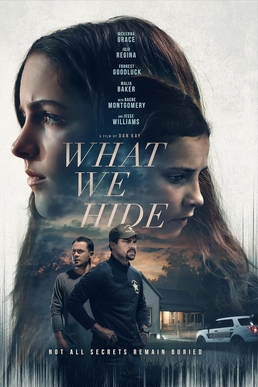
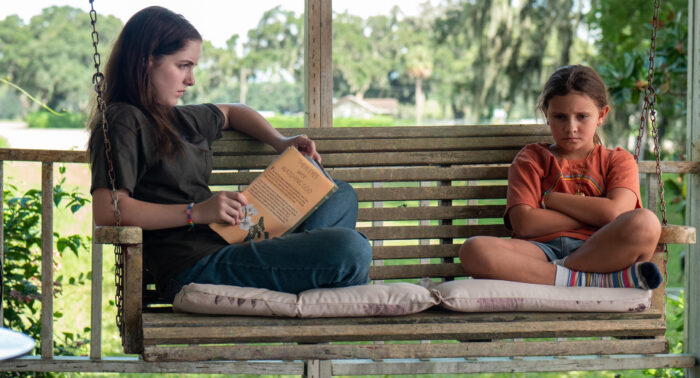
Dan Kay’s film What We Hide follows two sisters who hide their mother’s overdose death because they fear being separated by the foster care system. The film stars McKenna Grace and Jojo Regina and explores the collateral damage addiction can leave behind for children and families.
Learn more aboutWhat We Hideand find viewing options through the film’s official website.
McKenna Grace, left, portrays Spider, and JoJo Regina portrays her younger sister, Jessie, in What We Hide. After their mother dies from an overdose, the sisters hide her death because they fear being separated by the foster care system.
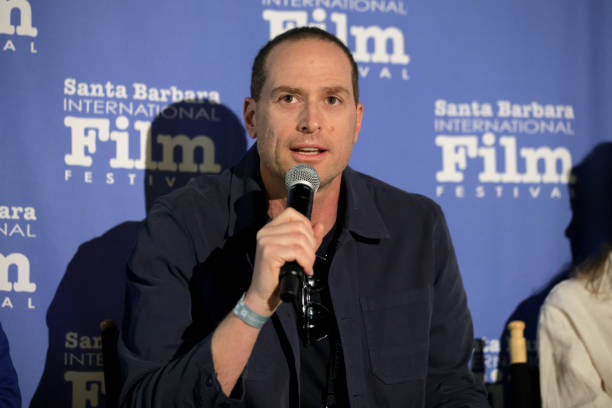
Photo from the film What We HideDan Kay is the writer and director of What We Hide, a feature film that explores the collateral damage of addiction through the story of two sisters trying to stay together after their mother dies from an overdose.
Photo Credit: Rebecca Sapp
“I’d been interested in the subject of addiction, but even more specifically, I was very interested in collateral damage caused by addiction. I felt that there had been some terrific films and plays and articles and books that are focused on the addict’s experience, which is very valuable. But I didn’t think there’d been much where, particularly in film, where we were exploring what is left in the addict’s wake? [For the] family, friends? What is that existence like? And I don’t remember if it was a podcast or an article, but I heard the term ‘opioid orphans,’ and it all just kind of clicked for me. I just thought that would be a really interesting place to explore this idea of the collateral damage caused by addiction.”
— Dan Kay, writer and filmmaker
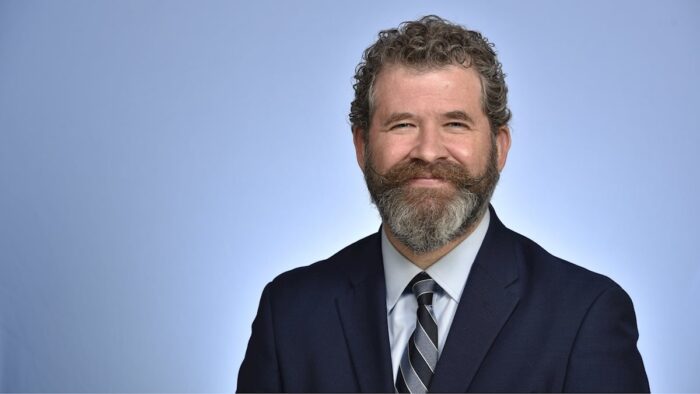
Dr. James Berry of West Virginia University’s Rockefeller Neuroscience Institute joined a discussion of What We Hide at the Carl “Rolly” Sullivan Addiction Training Institute in Morgantown. Berry is an addiction psychiatrist whose work focuses on treatment, recovery and the effects of addiction on individuals and families.
Photo courtesy of Rockefeller Neuroscience Institute
“Something that was said to me a few years ago that I thought was very helpful is we should actually twist things a little bit and focus less on stigma reduction, and really focus more on empathy cultivation. And I think that’s what this film does, is it’s really helping cultivate empathy. Again, I can try to educate everybody I possibly can about the science of addiction and what’s happening with the brain and through these processes that keep people doing things that they know are wrong. But to be able to tell a story the way that Dan told this story, that is empathy cultivation. Whereas if I just try to educate I’m trying to reduce stigma by giving them education and I think this is so much more powerful.”
— Dr. James Berry
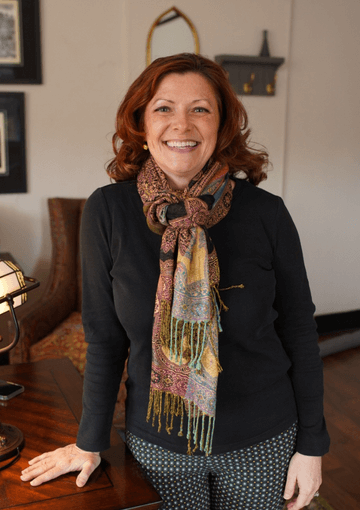
Dolly Sullivan, a clinical social worker in Morgantown, joined a discussion of “What We Hide” at the Carl “Rolly” Sullivan Addiction Training Institute. Sullivan works with individuals and families and specializes in trauma and mental health.
Photo courtesy of Dolly Sullivan
“There’s so many things that stood out for me as a clinician but you know as on the topic of trust, it wasn’t just in the system where trust was broken, right? I mean when you think about our primary people, you know, whether it’s our parents or grandparents or aunts and uncles that raise us, like trust is central to that, right, and trust was broken, particularly for Spider … And so when I think about how, like from top to bottom, it wasn’t just the system that they couldn’t trust. It was their mom too, right. And so, when I think of it from a trauma perspective, you know for me, trauma is not what happens. It’s how it changes our brain. So trauma is a brain change and it’s a disruption in the nervous system.”
— Dolly Sullivan
Add WVPB as a preferred source on Google to see more from our team
West Virginia has been at the center of America's opioid epidemic and overdose death toll. While recent reports show the state’s overdose deaths have fallen by nearly 38%, addiction remains the most common reason for West Virginia children to be taken from their families. In the next episode of Us & Them, host Trey Kay attends a WVU training symposium, including a screening of the recent film "What We Hide," and hears from professionals who work with people affected by addiction.
As lawmakers and educational leaders across West Virginia take a hard look at school finances, administrative staff that work outside the classroom have come under increased scrutiny. But one school financial operations officer says administrators manage an increasingly complicated educational landscape.
Drew McClanahan of the West Virginia Department of Education noted that despite being a small percentage of the overall student population, students facing extreme adversity outside the classroom were overrepresented in the data.
Kentucky Fried Chicken founder Colonel Sanders' iconic items earned big bucks at auction. For the Appalachia + Mid-South Newsroom, reporter Andrew Henderson went to the auction and hung around for the fried chicken.