


New River Gorge National Park Wins Coveted Travel Ranking
The New River Gorge National Park and Preserve has been listed as the nation's top underrated travel destination by U.S. News and World Report.
Continue Reading Take Me to More NewsAlert (March 11, 2026): Our TV translator in Flatwoods is experiencing technical issues. Our engineers are troubleshooting the problem. Thank you for your patience.




The submission period for the 2026 WVPB PBS KIDS Writers Contest has concluded! Winners will be announced soon.
Nominate an exceptional West Virginia teacher today!

On Demand

On Demand

Watch locally produced documentaries & more.

On Demand

On Demand



West Virginia Morning
Inside Appalachia
West Virginia Week
Mountain Stage
Us & Them
The Legislature Today
The Legislature This Week

Send us your comments and questions.

Stream our board meetings.

Check out the latest WVPB news.

Sign up for our newsletter and get weekly updates.

Meet the WVPB staff.

WV Educational Broadcasting Commission, the WVPB Foundation, and the Friends of WVPB.

Come work with us!

The nomination period for the Friends of WVPB Board of Directors is open until 11:59 p.m. on April 17, 2026.

Sponsor impactful and engaging media and entertainment.

Use your IRA to make a gift to WVPB.

Become a member with your gift of $1,000 or more.

Make WVPB part of your legacy.

Manage your membership account.

Learn how you can Protect and Sustain West Virginia Public Broadcasting.

The U.S. continues to struggle with racial discrimination, and this episode of Us & Them looks back at a moment in the 1960s when music and race collided in Charleston, West Virginia. At a time when America’s popular music scene was becoming increasingly integrated, a local band found itself forced to choose between playing the gig and standing up for principle.
Host Trey Kay speaks with John Smith, the surviving member of The In Crowd, a Charleston-based band that played popular tunes during that era. One night at the Charleston Athletic Club, a mixed-race couple was denied the right to dance. Smith recalls the band’s response: If they couldn’t dance, we wouldn’t play. The decision carried consequences, and the musicians paid a price for taking that stand.
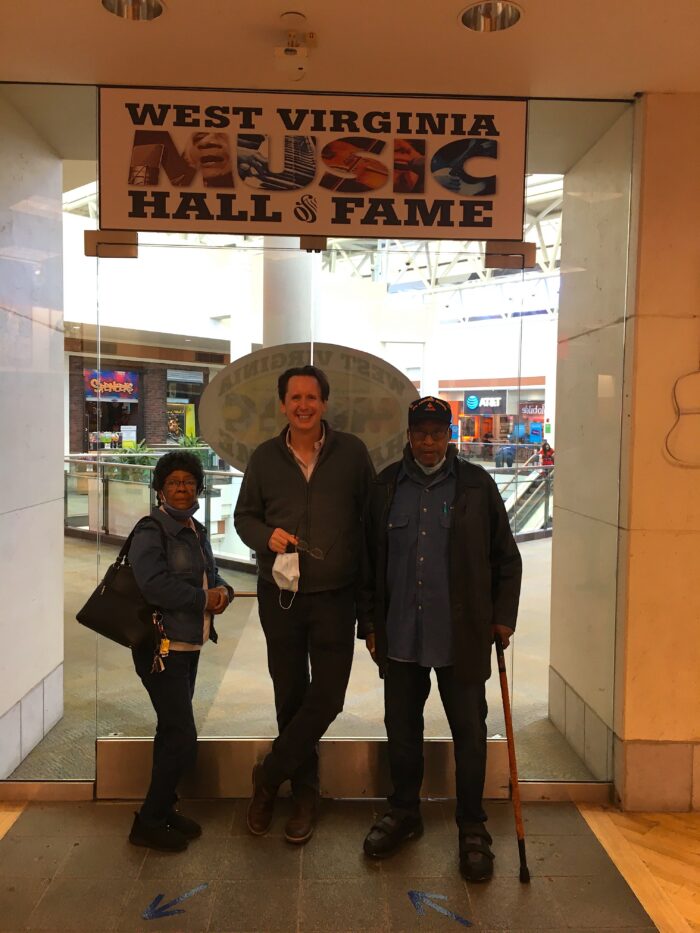
Decades later, Smith and his late bandmates have been recognized for their quiet act of resistance. For this episode, Kay meets Smith at the West Virginia Music Hall of Fame to reflect on that pivotal moment and its lasting impact.
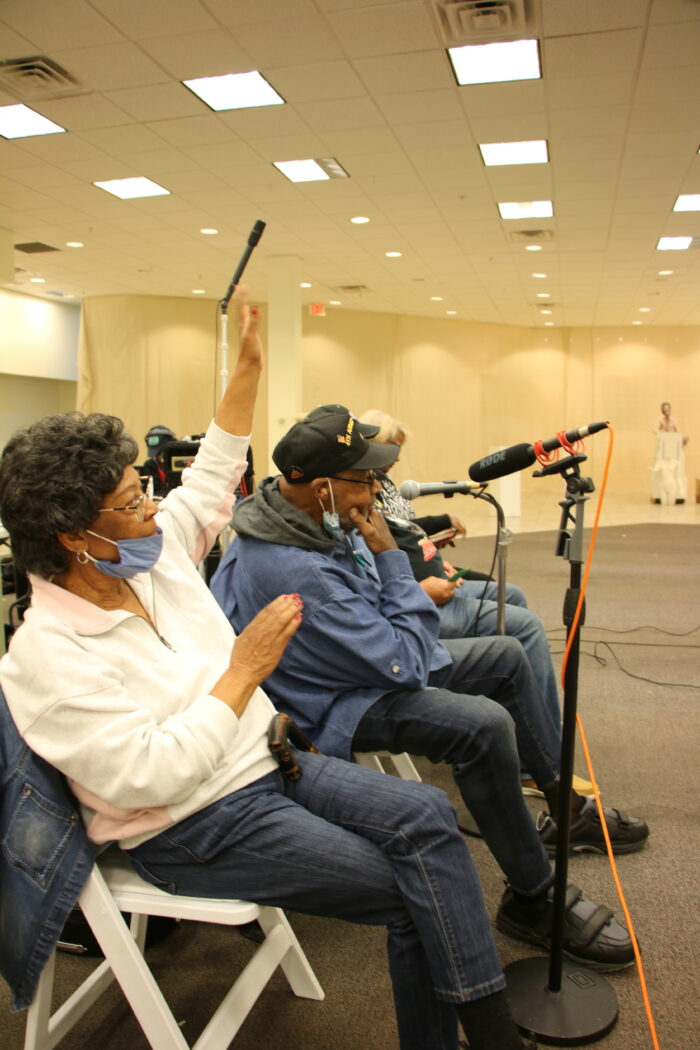
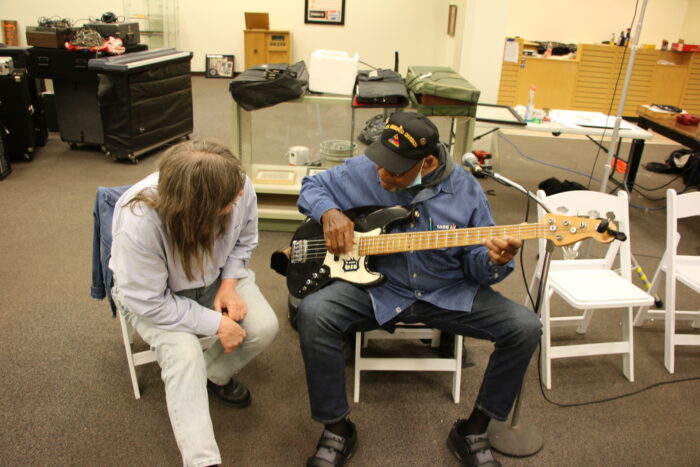
Kay also gathers with the Charleston-based band The Carpenter Ants for a rehearsal that turns into a conversation. Musicians from different generations share their experiences in the local music scene, reflecting on how it has mirrored both the divisions and the unity of their community. Together, they explore how music can both expose and heal the nation’s deepest wounds.
This episode of Us & Them is presented with support from the West Virginia Humanities Council and the CRC Foundation.
Subscribe to Us & Them on Apple Podcasts, NPR One, RadioPublic, Spotify, Stitcher and beyond.
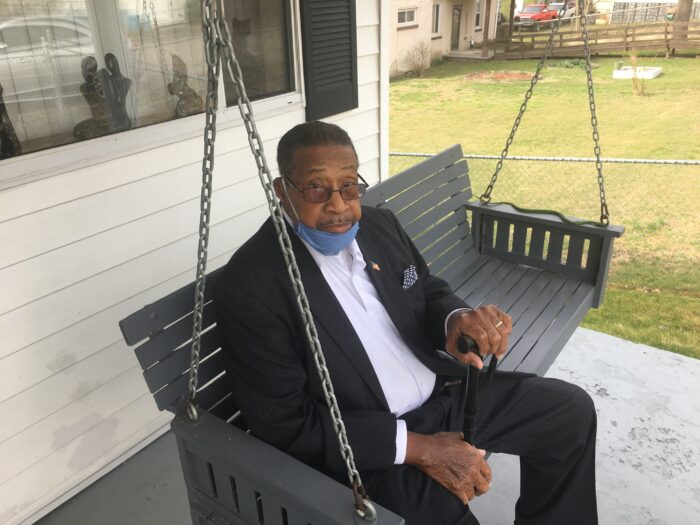
“If they didn’t serve [the mixed race couple], then we weren’t going to play anymore… So he told us to ‘go the hell out.’ And we did.”
— John Smith, surviving member, The In Crowd
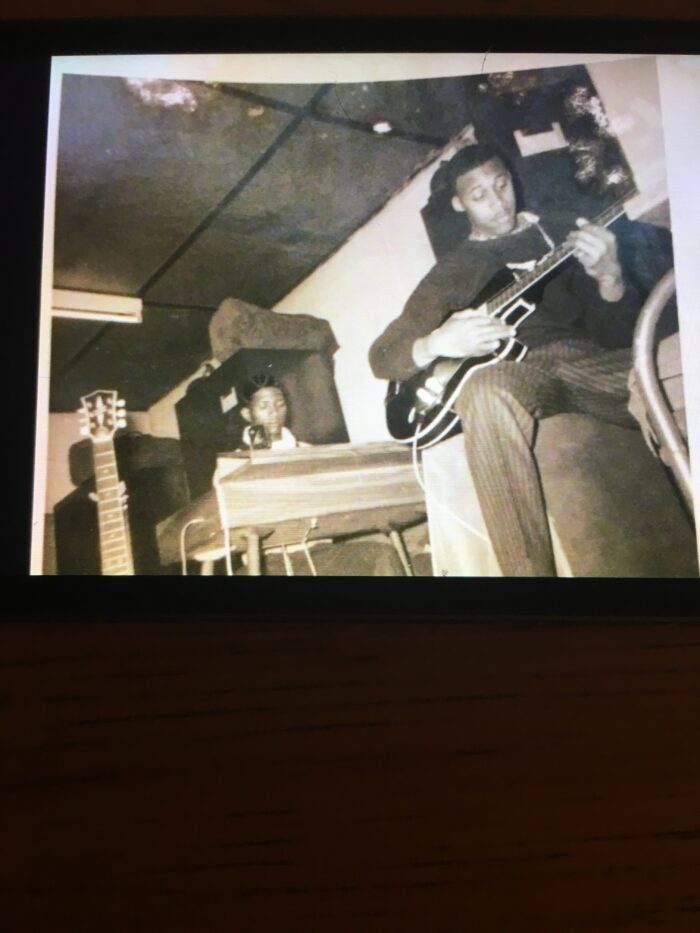
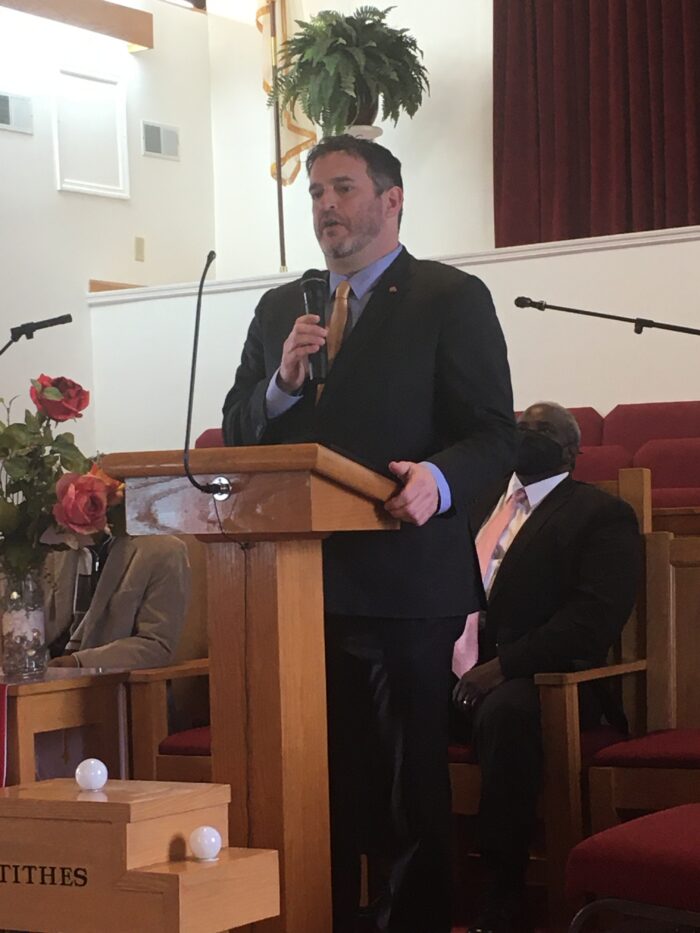
“The band did the right thing… The union that was supposed to be there representing them was on the wrong side of history.”
— Michael Pushkin
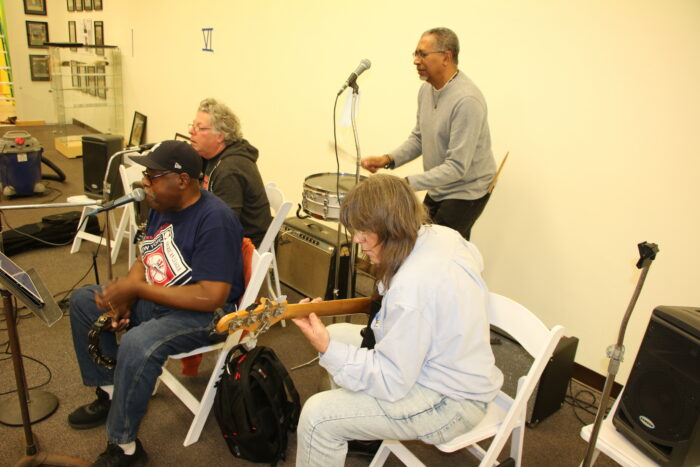
“People have always thought what they wanted to think… but now they just come out and say it. You don’t care where you go, they’re just gonna say it.”
— Charlie Tee, the late lead singer of The Carpenter Ants
“You go to this one place and they show you what you really are… It was a wake-up call.”
— Jupie Little, drummer and vocalist, The Carpenter Ants
Add WVPB as a preferred source on Google to see more from our team

It has been a week since the bill creating the state’s new Office of Entrepreneurship was signed into law – with an official opening date of July 1. Maria Young caught up with Secretary of State Kris Warner to find out what the new office can do to help would-be new business owners turn their hopes and dreams into reality.
Continue Reading Take Me to More NewsHigh school athletes interested in transferring schools will have to do it as Freshmen and Sophomores to retain their eligibility.
Continue Reading Take Me to More NewsFifteen years ago, when Maddie McGarvey was a sophomore at Ohio University, she took on a project to document grandparents raising their grandchildren. That led her to meet 3-year-old Paige Casto and her family. She’s been photographing them ever since. Inside Appalachia Associate Producer Abby Neff spoke with McGarvey.
Continue Reading Take Me to More NewsOverwhelming issues at school districts across the state in the last few years have prompted the West Virginia Department of Education to investigate and intervene in the administration of local education. We learn about an analysis conducted by the Cardinal Institute for West Virginia Policy of 10 school districts and the need for a broader look at the issues facing the state's schools.
Continue Reading Take Me to More News