Alert (09/29/2026): Our Parkersburg TV transmitter is still undergoing maintenance and remains temporarily inoperative. We apologize for the inconvenience.
All our programming is available via our TV livestreams on our website and WVPB Passport. Thank you for your patience!
This week, ballads tell stories about all kinds of real-life events, but after Hurricane Helene, one group of ballad singers felt some topics were still too raw. Also, the author of a book on ancient Ohio credits a former grad student with introducing him to the region’s mysterious earthworks. And, the legacy of Affrilachian poet Norman Jordan includes a summer camp for teens to study their heritage.
Polls and surveys report our confidence is eroding and that we’ve lost trust in one another and in some of our most essential institutions.
As a followup to an Us & Them event in September at West Virginia University (WVU) on trust in the media, host Trey Kay has a new conversation focused on our trust in science. The COVID-19 pandemic continues to present examples of our differing confidence in science and medicine, but there are other flash points.
We continue the abortion debate with the central question of when life begins. A few decades ago, evolution was in the spotlight with divisions over the origins of the universe, and of our own species. Now, climate change clearly illustrates our varying understanding about how the world is changing. All of those topics place a spotlight on our confidence in science.
There was a time when scientific advances were heralded – they saved lives, they told us more about our world. But now, some see scientists as villains who are not always worthy of our trust.
Have we simply lost interest in scientists or in the scientific process?
Join us for a new Us & Them from a recent live event on the campus of Marshall University in Huntington, West Virginia.
This episode of Us & Them is presented with support from the West Virginia Humanities Council, the Daywood Foundation and the CRC Foundation.
Subscribe to Us & Them on Apple Podcasts, NPR One, RadioPublic, Spotify, Stitcher and beyond.
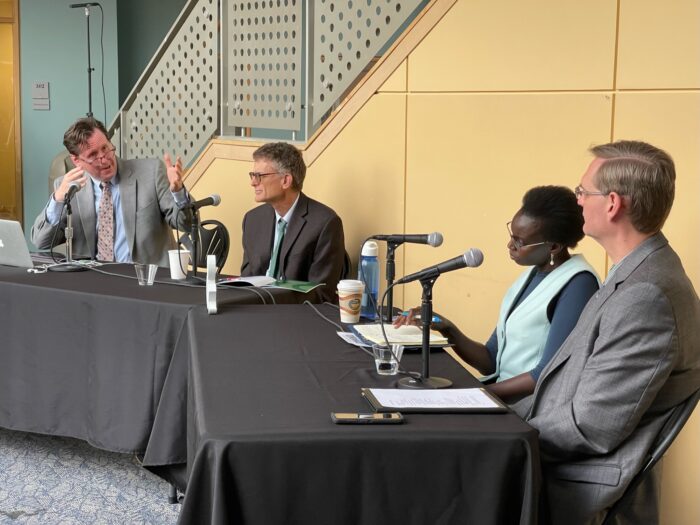
Us & Them host Trey Kay leads a discussion about the erosion of public trust in science at Marshall University. His guests were Jonathan Zimmerman, University of Pennsylvania’s education historian and author of “Whose America? Culture Wars in the Public Schools”; Habiba Chichir, Marshall University’s biological anthropologist; and Dr. Adam Franks, MD, associate residency director for Marshall University’s Joan C. Edwards School of Medicine. The event was co-sponsored by Marshall University’s John Deaver Drinko Academy, the West Virginia Humanities Council and West Virginia Public Broadcasting, the broadcasting home of Us & Them.
Earlier this fall, Kay and his team hosted a “Diminished Trust” event at West Virginia University that focused on waning public trust in journalism and the news media. Kay says, “Trust is in short supply in America these days. Across the board and across the political spectrum people seem to lack trust in our government… in many of our agencies and organizations – even in each other. That’s why our Us & Them team is staging these conversations to encourage citizens to consider how long our society can sustain this erosion of trust.”
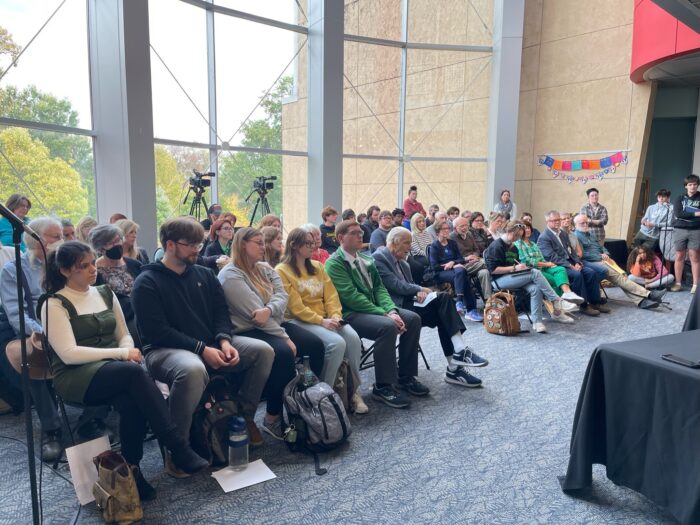
Credit: Julie BlackwoodA diverse group of students, faculty and community members came to Marshall University’s Drinko Library Atrium to join a live recording of West Virginia Public Broadcasting’s Us & Them.
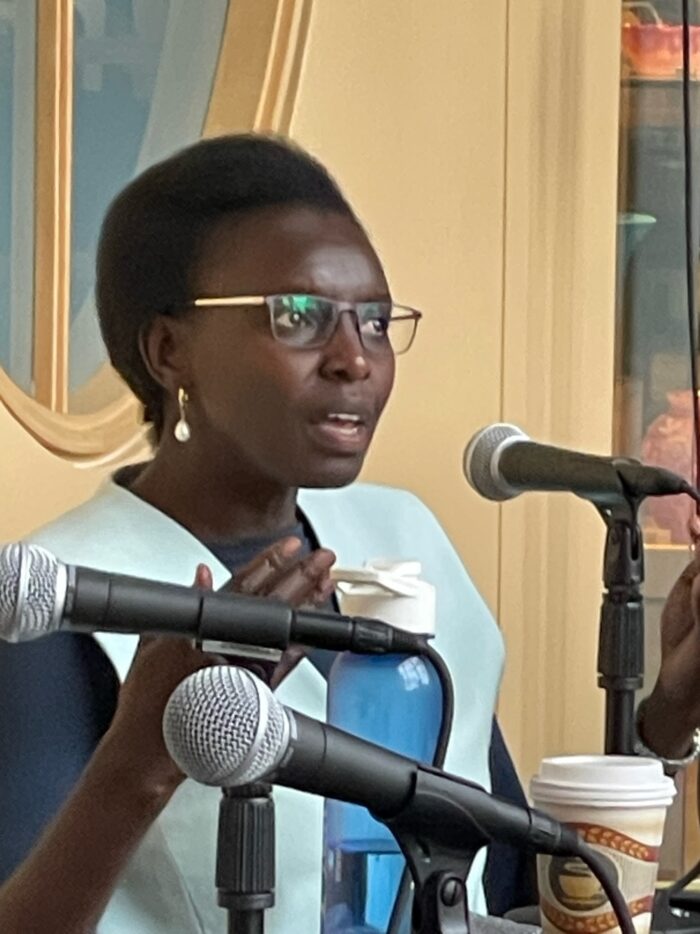
Credit: Julie BlackwoodHabiba Chirchir is a biological anthropologist and anatomist at Marshall University in Huntington, West Virginia. Her research focuses on understanding the relationship between changes in skeletal anatomy and behavior by investigating trabecular and cortical bones. She conducts comparative analyses of anatomical features in fossil human ancestors, modern humans, other primates and non-primate animals including dogs and big cats using CT imaging. Chirchir earned a BA from the University of Nairobi, an MA from New York University, and a PhD from George Washington University. Chirchir is a research associate at the National Museum of Natural History, Smithsonian Institution.
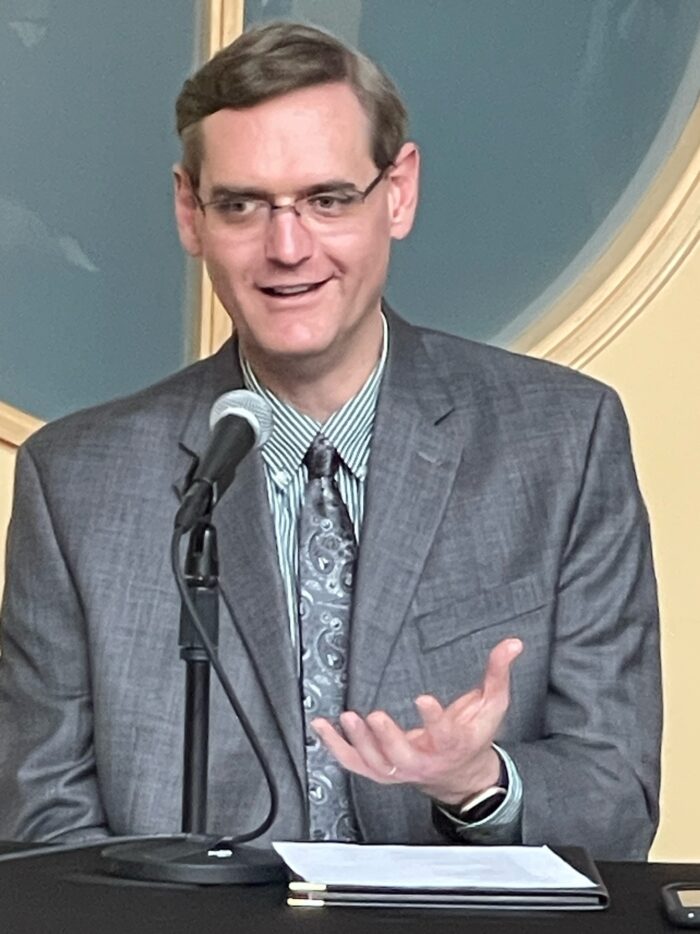
Credit: Julie BlackwoodDr. Adam M. Franks is a family medicine physician at Marshall Health, and a professor and vice chair of the department of family and community health at Marshall University Joan C. Edwards School of Medicine. Franks’ practice provides full-spectrum care for children and adults, including obstetric and gynecologic care. His research areas include COVID-19 protocols, opioid monitoring protocols and blood borne pathogen exposure monitoring protocol adherence.
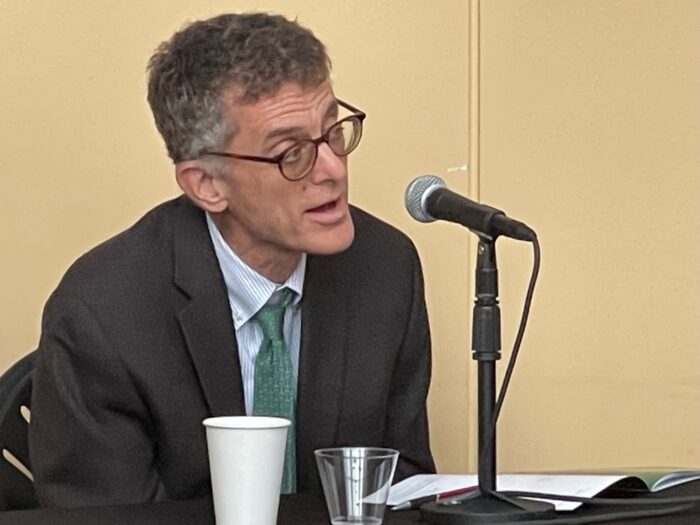
Credit: Julie BlackwoodJonathan Zimmerman is professor of History of Education and the Berkowitz professor in Education at the University of Pennsylvania. A former Peace Corps volunteer and high school teacher, Zimmerman is the author of “Whose America? Culture Wars in the Public Schools” (University of Chicago Press, 2nd ed.) and eight other books. Zimmerman is also a columnist at the Philadelphia Inquirer and a frequent contributor to the Washington Post, the New York Review of Books and other popular publications. Zimmerman taught for 20 years at New York University, where he received its Distinguished Teaching Award in 2008.
Credit: Julie Blackwood
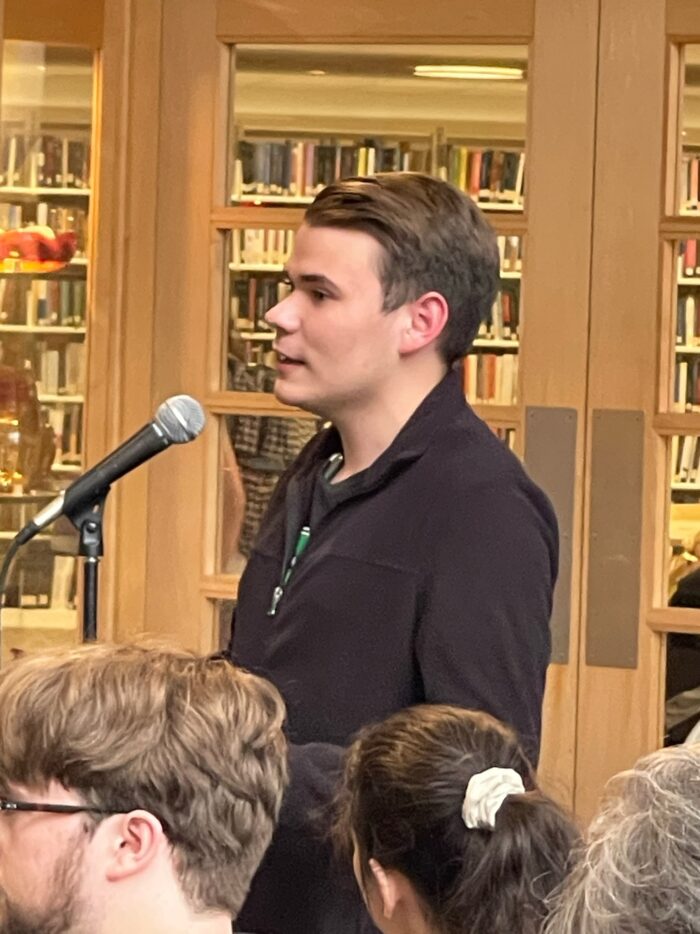
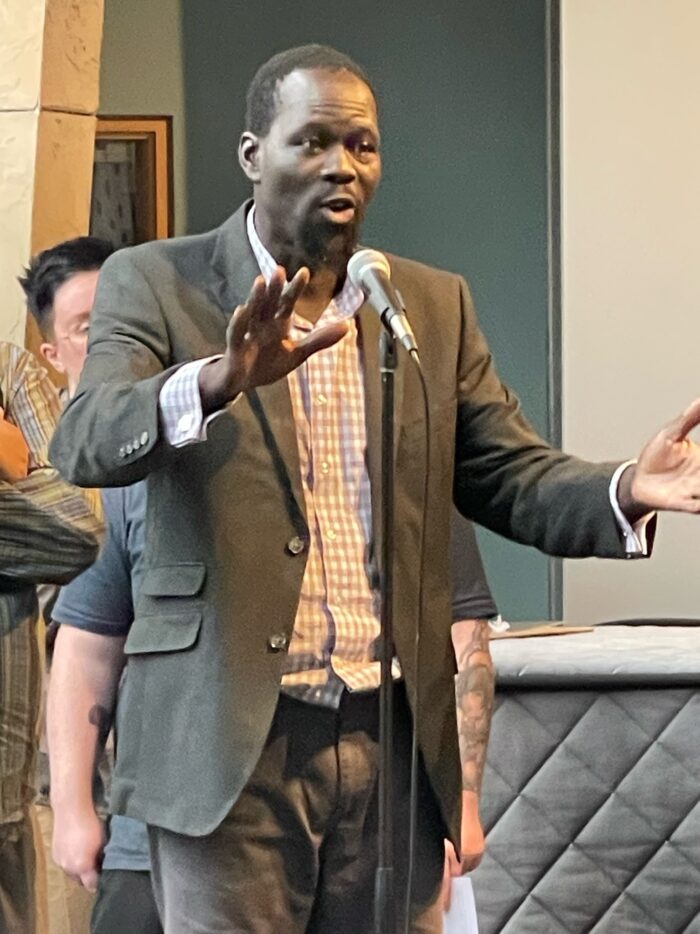
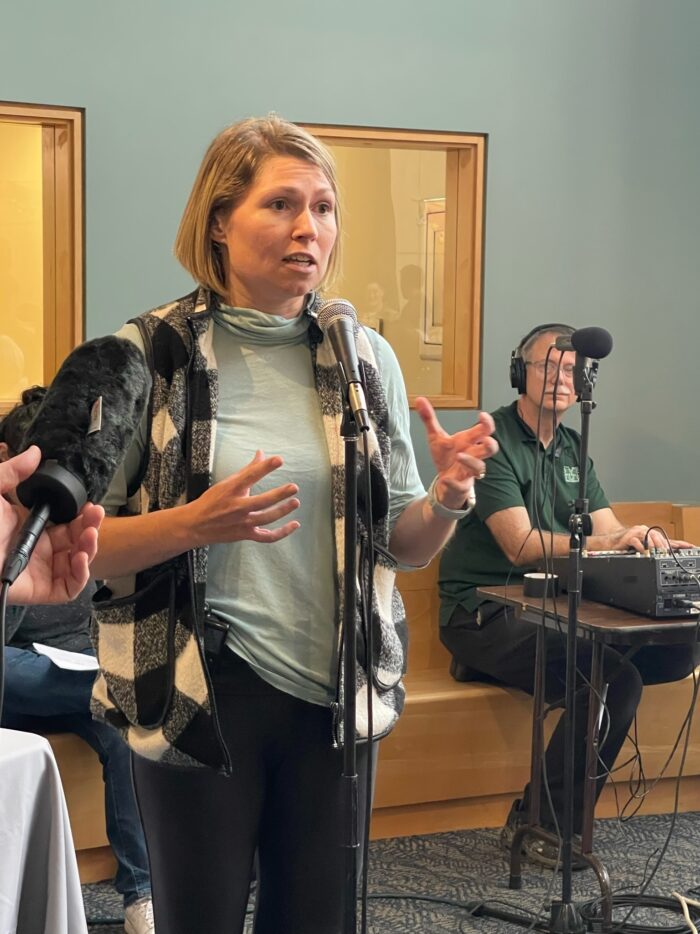
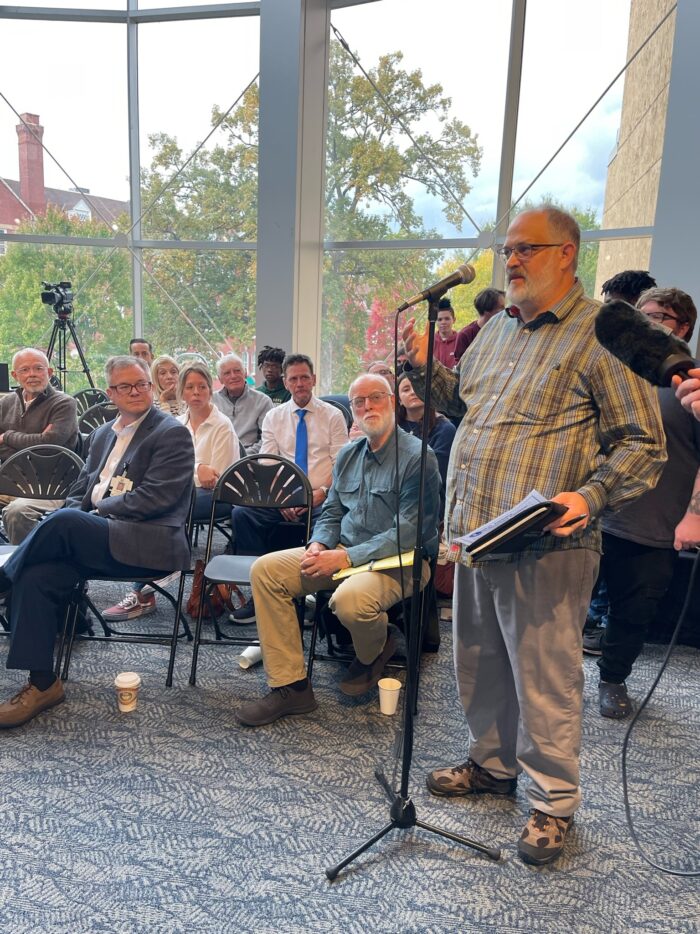
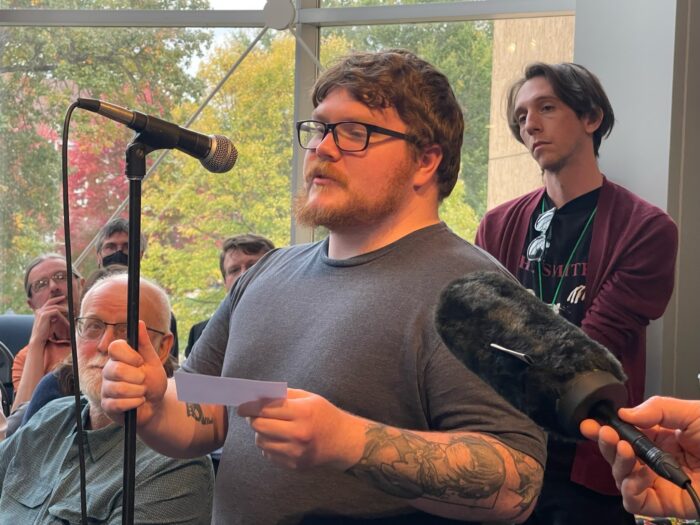
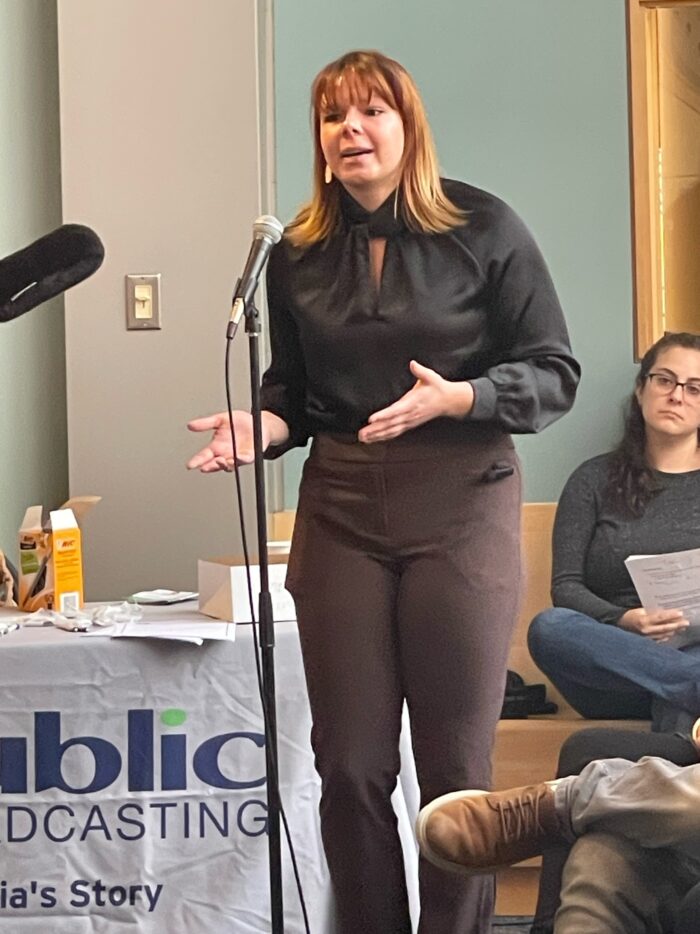
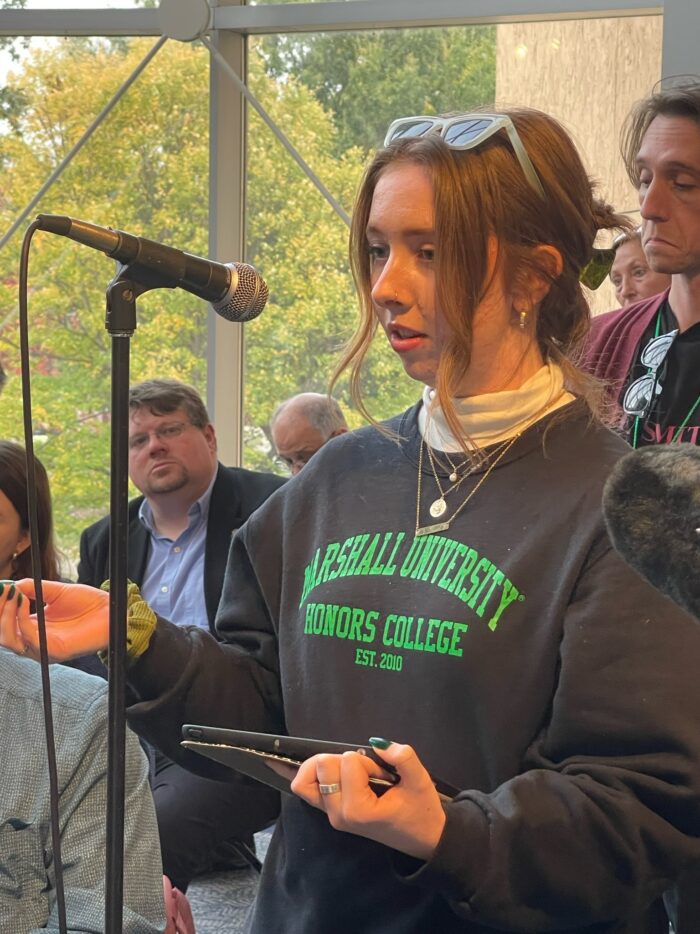
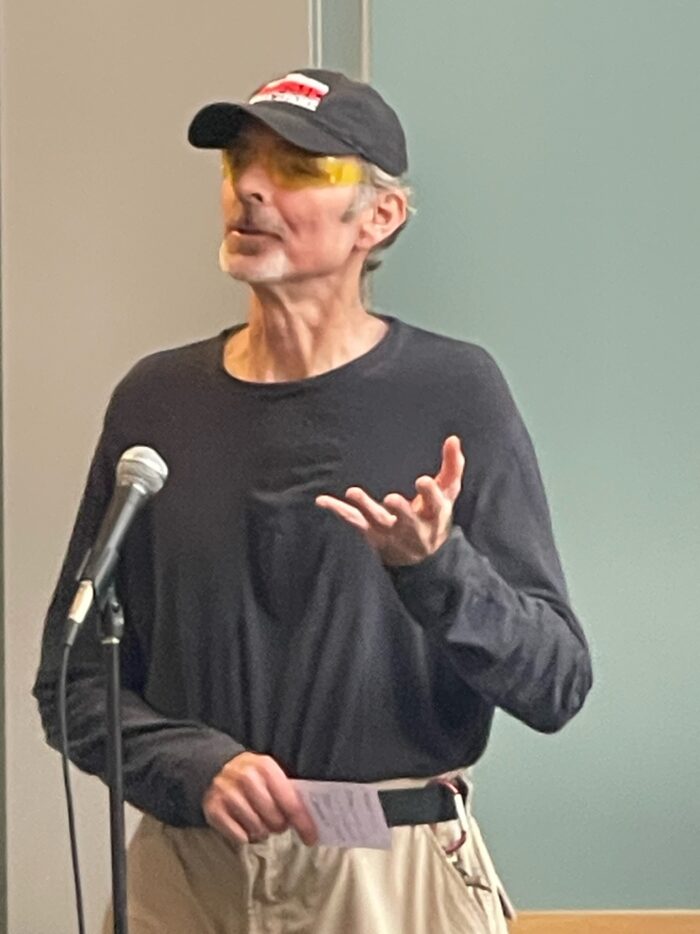
Photo gallery: Members of the audience took advantage of a Q&A session to ask the guests a number of thoughtful questions. Credit: Julie Blackwood
Add WVPB as a preferred source on Google to see more from our team
On this West Virginia Week, rules are in the works for data centers, lawmakers request a meeting with Flock, and the fate of West Virginia's chestnuts.
This week, ballads tell stories about all kinds of real-life events, but after Hurricane Helene, one group of ballad singers felt some topics were still too raw. Also, the author of a book on ancient Ohio credits a former grad student with introducing him to the region’s mysterious earthworks. And, the legacy of Affrilachian poet Norman Jordan includes a summer camp for teens to study their heritage.
When Hurricane Helene tore through western North Carolina in 2024, it took lives and upended communities. A community of ballad singers lost a place where they could share their tradition, but what was lost could be restored.