


Aluminum Plates For Deep Space Win W.Va. 'Coolest' Contest
Aluminum plates that helped keep astronauts on the Artemis II rocket safe won the first ever Coolest Thing Made In West Virginia competition.
Continue Reading Take Me to More NewsAlert (09/29/2026): Our Parkersburg TV transmitter is still undergoing maintenance and remains temporarily inoperative. We apologize for the inconvenience.
All our programming is available via our TV livestreams on our website and WVPB Passport. Thank you for your patience!




To Educate, Inform, and Inspire by Telling West Virginia's Story
Mountain Readers Week will be held Oct. 5-9, 2026! Celebrate and foster a love of reading in children across West Virginia.
Nominate an exceptional West Virginia K-12 teacher today!

On Demand

On Demand

Stream original productions from WVPB

Watch locally produced documentaries & more.

On Demand

On Demand






West Virginia Morning

Inside Appalachia

West Virginia Week

Mountain Stage

Us & Them

The Legislature Today

The Legislature This Week

Send us your comments and questions.

Stream our board meetings.

Check out the latest WVPB news.

Sign up for our newsletter and get weekly updates.

Meet the WVPB staff.

WV Educational Broadcasting Commission, the WVPB Foundation, and the Friends of WVPB.

Come work with us!

Read our annual report and learn how we educate, inform and inspire with your support.

Sponsor impactful and engaging media and entertainment.

Use your IRA to make a gift to WVPB.

Become a member with your gift of $1,000 or more.

Make WVPB part of your legacy.

Manage your membership account.

Learn how you can Protect and Sustain West Virginia Public Broadcasting.
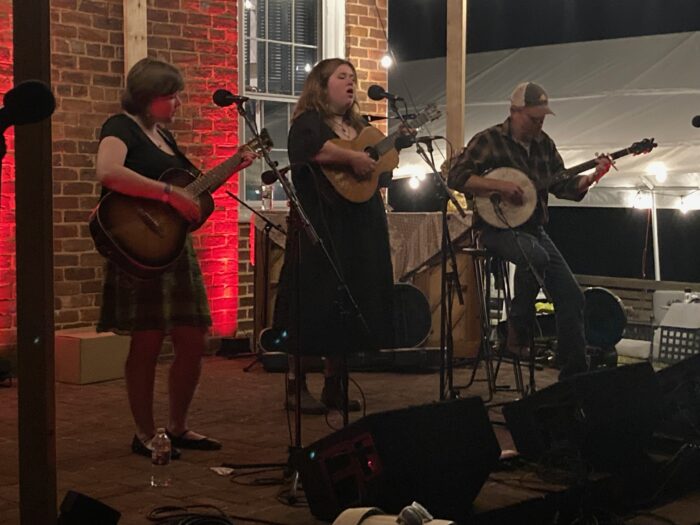
This week, a talented, young folk singer looks for the balance between making music and making a living.
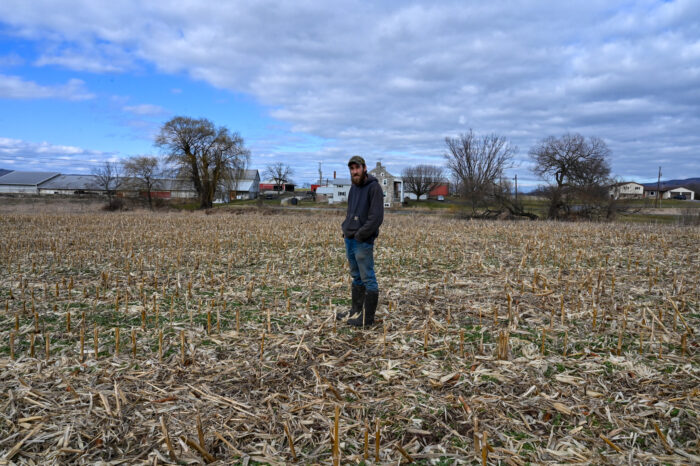
Also, after six generations, keeping the family farm going can be rough. We hear the story of the Wakefield family in Pennsylvania, which has farmed for six generations.
And the Hellbender Salamander is the largest amphibian in North America, but they’re picky about where they live, and their habitats are threatened.
In This Episode:
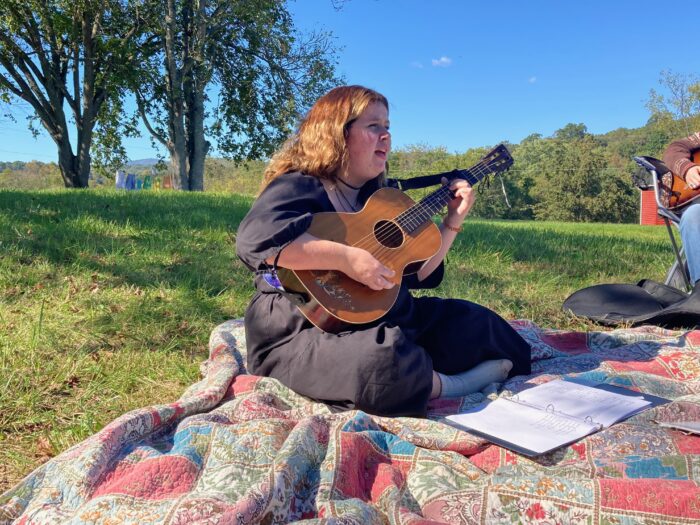
Mason Adams/West Virginia Public Broadcasting
Folk music is not the easiest way to make a living, but artists still find a way to balance making music with putting food on the table. Host Mason Adams traveled to MidMountain arts collective in Virginia, where he spoke with both veteran folksingers and emerging talents.
Courtesy photo
Cade Miller was a student at the Penn State News lab, which works to address gaps in news coverage — including the plight of family farms. Miller spent months reporting on the Wakefields, a farming family for six generation. The family struggled to keep the business going in a minidocumentary called “The Wakefields –Two Brothers, Six Generations.”
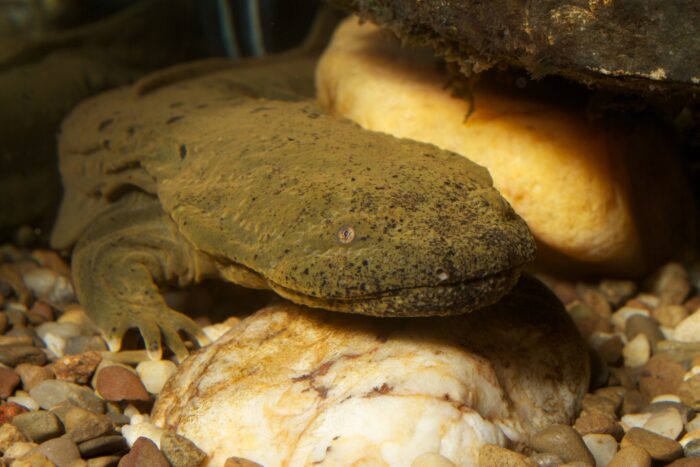
Appalachia is home to a wide variety of critters, including the odd-looking salamander called the Hellbender. The species has been in decline.
Late last year, the U.S. Fish and Wildlife Service proposed listing the Eastern Hellbender Salamander as endangered. Than (as in Nathan) Hitt is a senior scientist with the West Virginia Rivers Coalition. WVPB’s Curtis Tate spoke with Hitt about the Hellbender’s habitat in Appalachia and why it’s threatened.
-----
Our theme music is by Matt Jackfert. Other music this week was provided by Elsa Howell, Black Twig Pickers, Anna and Elizabeth, Morgan Wade, Larry Rader, Steve Earle, Kaia Kater, Nirvana, Neko Case, Sonic Youth, and Blue Dot Sessions.
Bill Lynch is our producer. Abby Neff and Zander Aloi are our associate producers. Our executive producer is Eric Douglas. Kelley Libby is our editor. Our audio mixer is Patrick Stephens. We had help this week from folkways editor Chris Julin.
You can send us an email: InsideAppalachia@wvpublic.org.
You can find us on Instagram, Threads and Twitter @InAppalachia. Or here on Facebook.
Inside Appalachia is a production of West Virginia Public Broadcasting.
Add WVPB as a preferred source on Google to see more from our team

They love West Virginia, but love alone may not be enough to keep them here. In the second of two Us & Them episodes, Trey Kay talks with young West Virginians who say they may need to leave in search of careers, community and a place where they can imagine their futures. Their decisions reveal what the Mountain State risks losing when young people cannot see a place for themselves at home.
Continue Reading Take Me to More NewsLast week, we aired the first part of an interview with a WVSU professor about what is AI. In the second part of that interview, we explore the best way to use AI to get what you want – while avoiding fabricated or false answers that seem real.
Continue Reading Take Me to More NewsDirect-to-consumer tests like full-body scans are marketed as a way to catch diseases early and establish a baseline. But there are financial, physical and psychological risks to all medical tests — and in some cases, not getting a test could be better for your health. From the Appalachia + Mid-South Newsroom, HealthQ hosts Cara Anthony and Blake Farmer speak with UCSF Cardiologist Dr. Rita Redberg.
Continue Reading Take Me to More NewsAluminum plates that helped keep astronauts on the Artemis II rocket safe won the first ever Coolest Thing Made In West Virginia competition.
Continue Reading Take Me to More News