Alert (09/10/2026): Our Parkersburg TV transmitter is undergoing maintenance for a few days and will not be operational. We apologize for any inconvenience.
All our programming is available via our TV livestreams on our website and WVPB Passport. Thank you for your patience!
This week, one thing about Appalachians: we can get competitive. We’re proud of our local food. Love a good hunt. And enjoy competition with friends. We learn the rules and celebrate our victories. You'll hear these stories and more this week, Inside Appalachia.
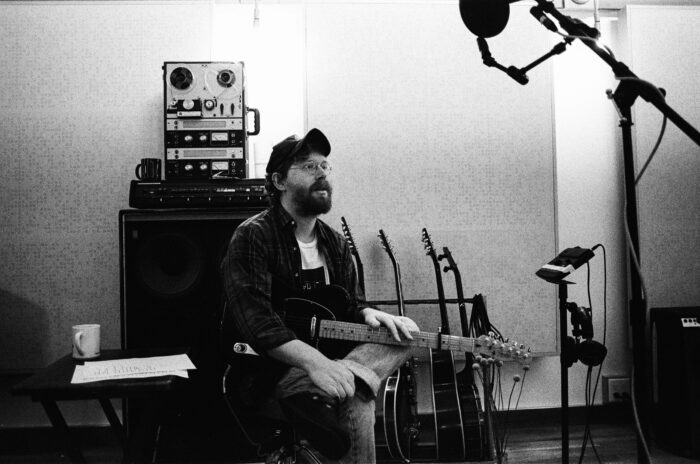
Songwriter Aaron Dowdy leads Fust, a group with deep Appalachian roots that’s based in Durham, North Carolina. Fust is part of a new wave of indie rock emerging from the Mountain South.
It’s distinguished by a Southern rock sound and lyrics drawn from observations about living in the region. Last year, host Mason Adams spoke with Dowdy after Fust released their album Big Ugly.
Photographer Michael Snyder Documents Allegheny Mountain Home
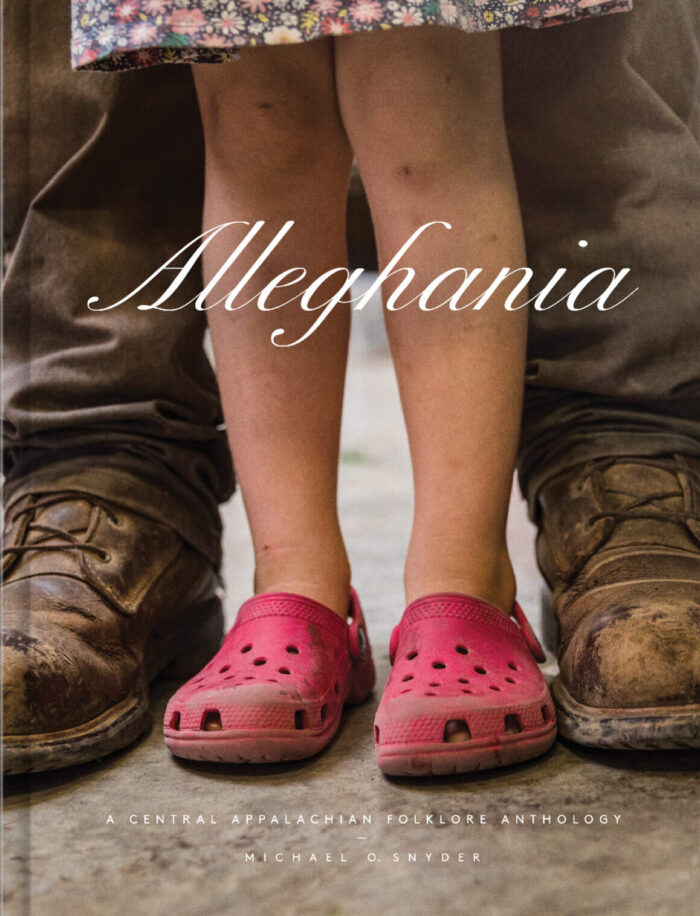
The cover of Alleghania: A Central Appalachian Folklore Anthology.
Courtesy of Michael Snyder/Bitter Southerner
Michael Snyder is a photographer and filmmaker who grew up in the Allegheny mountains on the border of Maryland and West Virginia. His work has been featured in National Geographic, The Guardian and The Washington Post. After living away from Appalachia for more than a decade, Snyder moved back to document what changed and what stayed the same. The result was the book Alleghania: A Central Appalachian Folklore Anthology.
Associate producer Abby Neff spoke with Snyder.
Hurricane Helene: One Year Later
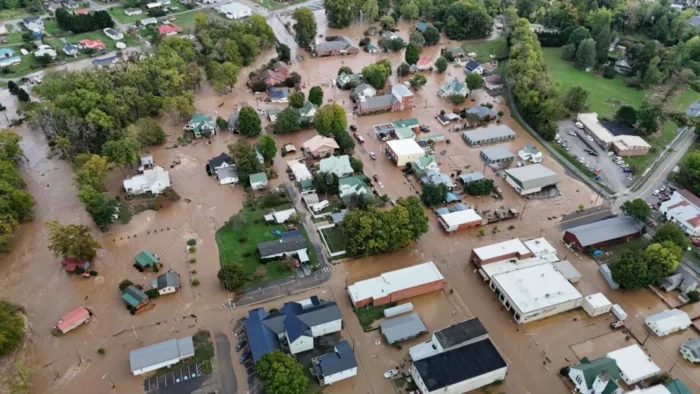
Drone footage Friday Sept. 27 shows the town of Damascus amidst flooding from tropical storm Helene.
Photo Credit: Tyler Eugene/Radio IQ
It’s been more than a year since Hurricane Helene hit the mountains of Appalachia. The storm devastated parts of western North Carolina, East Tennessee and Southwestern Virginia. Communities are still rebuilding and recovering. Our partner station Radio IQ produced a documentary about how folks recovered and rebuilt after the storm. This is an excerpt from that special. Roxy Todd reported from southwestern Virginia.
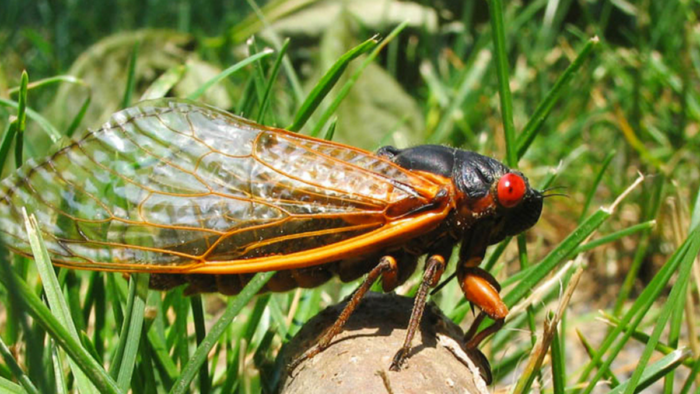
In the spring of 2016, a massive brood of cicadas emerged in northern West Virginia after 17 years underground. The event prompted one West Virginia University professor to study the composition of their wings.
Photo Credit: Pmjacoby/Wikimedia Commons
This past year saw another appearance by Appalachia’s noisiest critters: cicadas. Across parts of Kentucky, Tennessee and West Virginia, Brood XIV emerged in late spring and early summer. Although some folks are annoyed by cicadas, others find profound meaning. Louisville Public Media’s Justin Hicks reported.
A Trip To Hillbilly Hotdogs
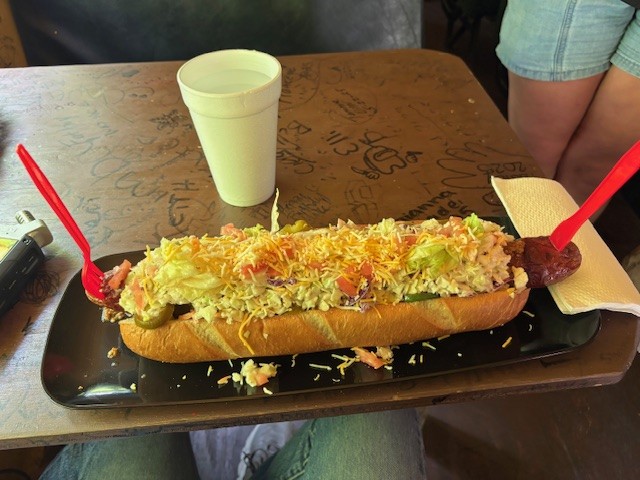
The Homewrecker is a signature food challenge at Hillbilly Hotdogs in LeSage.
Photo Credit: Bill Lynch/West Virginia Public Broadcasting
Hillbilly Hotdogs in Lesage, West Virginia is a local institution and a bona fide tourist attraction that sees visitors from all over the world. In 2024, the hotdog stand’s signature menu item, “The Homewrecker,” suddenly became unavailable. This summer, producer Bill Lynch paid a visit to Hillbilly Hotdogs to hear about the return of the homewrecker and take the homewrecker challenge.
------
Our theme music is by Matt Jackfert. Other music this week was provided by Fust, Jeff Ellis, Paul Loomis, Frank George and Blue Dot Sessions.
Bill Lynch is our producer. Abby Neff is our associate producer. Our executive producer is Eric Douglas. Kelley Libby is our editor. Our audio mixer is Patrick Stephens.
You can send us an email: InsideAppalachia@wvpublic.org.
This week, one thing about Appalachians: we can get competitive. We’re proud of our local food. Love a good hunt. And enjoy competition with friends. We learn the rules and celebrate our victories. You'll hear these stories and more this week, Inside Appalachia.
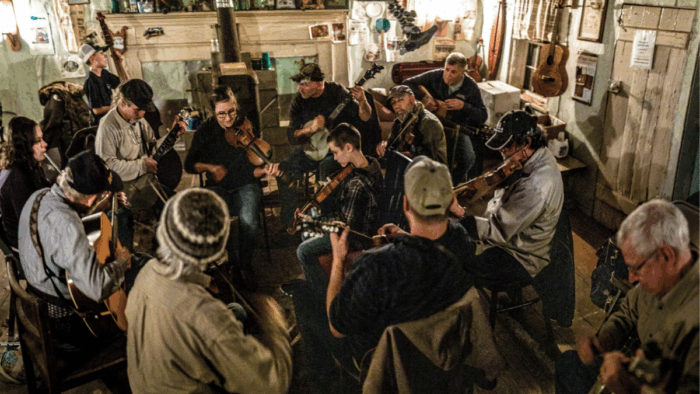
In southern Ohio, there’s a musical tradition that goes back nearly 1,000 years and 4,000 miles. For Inside Appalachia, Folkways Reporter Capri Cafaro has this story.
The student-led team that produces the news for WMUL radio at Marshall University learned in August that they won a collegiate Edward R. Murrow award for Outstanding Newscast for the second year in a row.