Alert (09/29/2026): Our Parkersburg TV transmitter is still undergoing maintenance and remains temporarily inoperative. We apologize for the inconvenience.
All our programming is available via our TV livestreams on our website and WVPB Passport. Thank you for your patience!
Inside Appalachia Host Mason Adams met with author Barbara Kingsolver at her home outside Abingdon, Virginia, a couple weeks before her new novel "Partita" was set to publish.
Us & Them host Trey Kay joined a small group to travel through America’s southern states learning about the country’s racial past and the impact of the civil rights movement today. This immersive journey took them across several states to places that have come to define periods in America’s racial history — from Charleston, South Carolina’s slave trade market to Ebenezer Baptist Church in Atlanta, Georgia.
The group visited sites that put this country’s racist history on display, and Kay was along to hear them reflect on our nation and themselves.
This episode of Us & Them is presented with support from the West Virginia Humanities Council and CRC Foundation.
Subscribe to Us & Them on Apple Podcasts, NPR One, RadioPublic, Spotify, Stitcher and beyond.
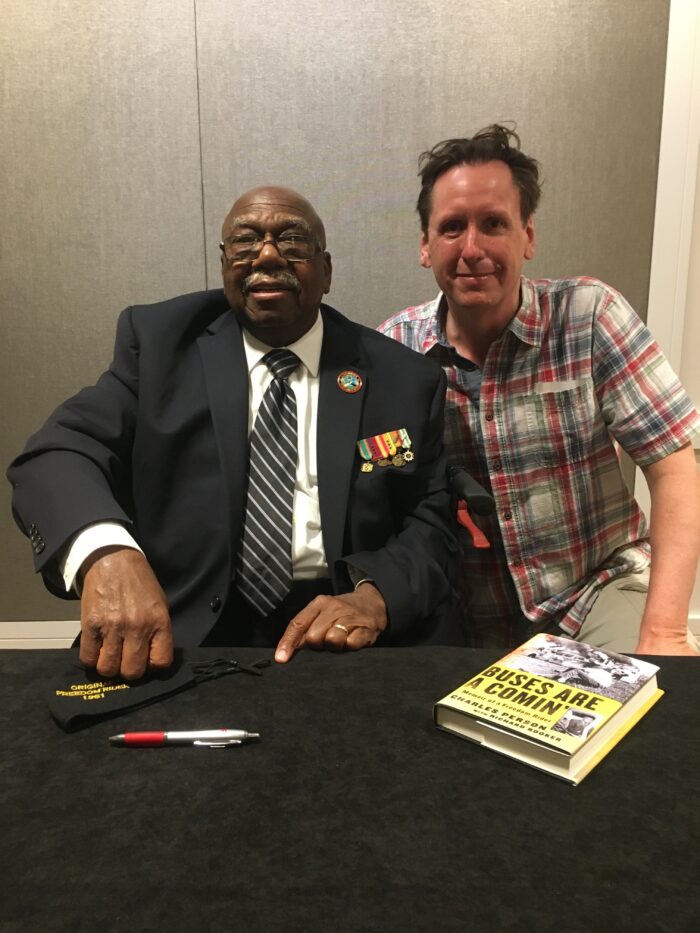
James Person, one of the original Freedom Riders, in Atlanta, GA, with Us & Them host Trey Kay.
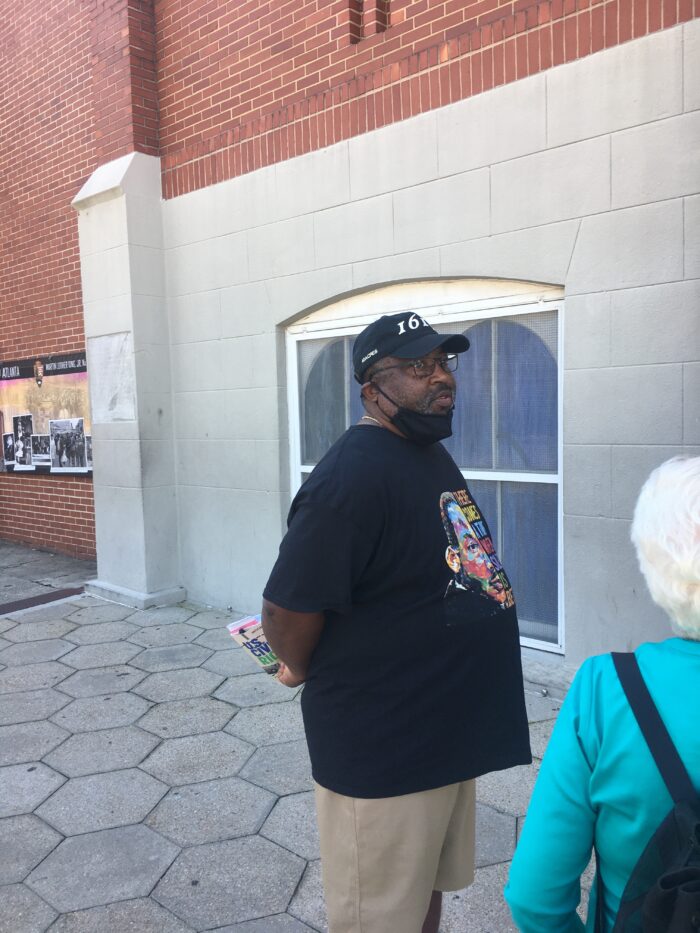
Credit: Trey Kay/West Virginia Public BroadcastingProf. Todd Allen speaking to a tour group at King Center in Atlanta, GA.
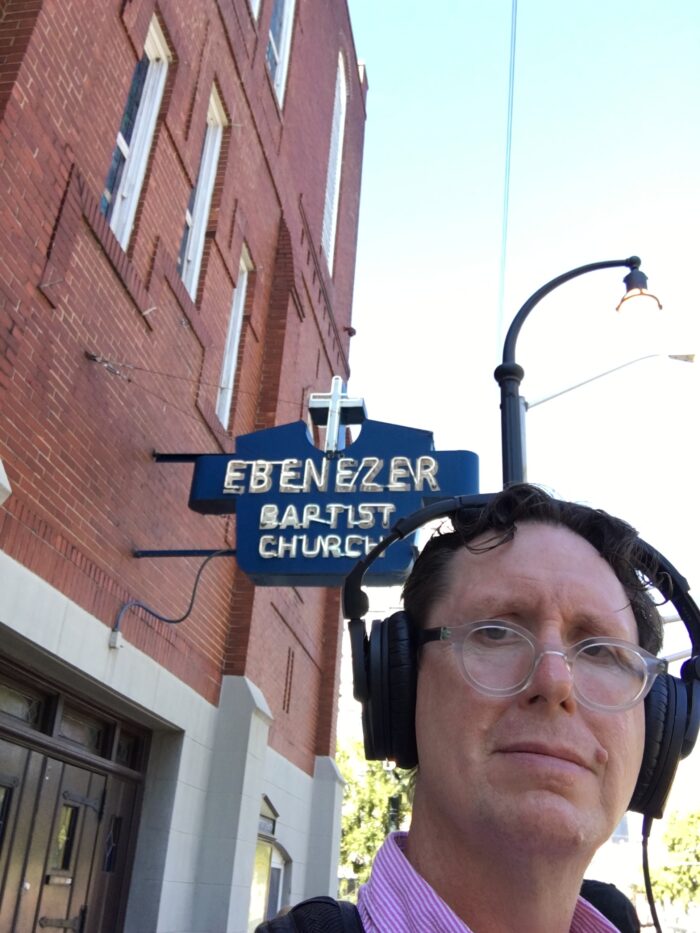
Credit: Trey Kay/West Virginia Public BroadcastingUs & Them host Trey Kay at Ebeneezer Baptist Church in Atlanta, GA.
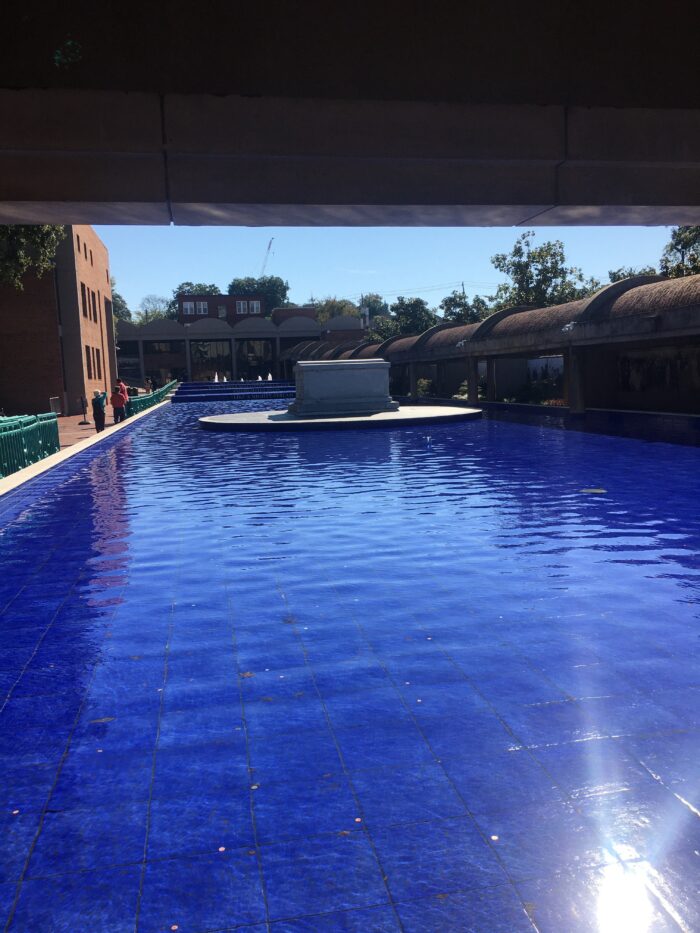
Credit: Trey Kay/West Virginia Public BroadcastingFinal resting place for Martin Luther King, Jr. and Coretta Scott King in Atlanta, GA.
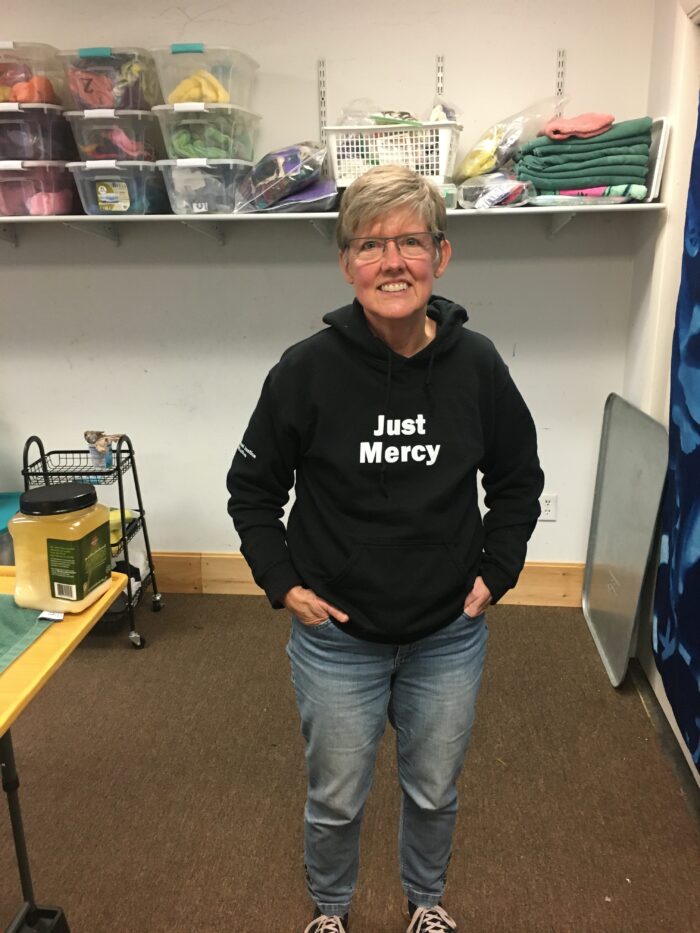
Credit: Trey Kay/West Virginia Public BroadcastingBetsy Disharoon in her art studio in the suburbs of Boston, MA.
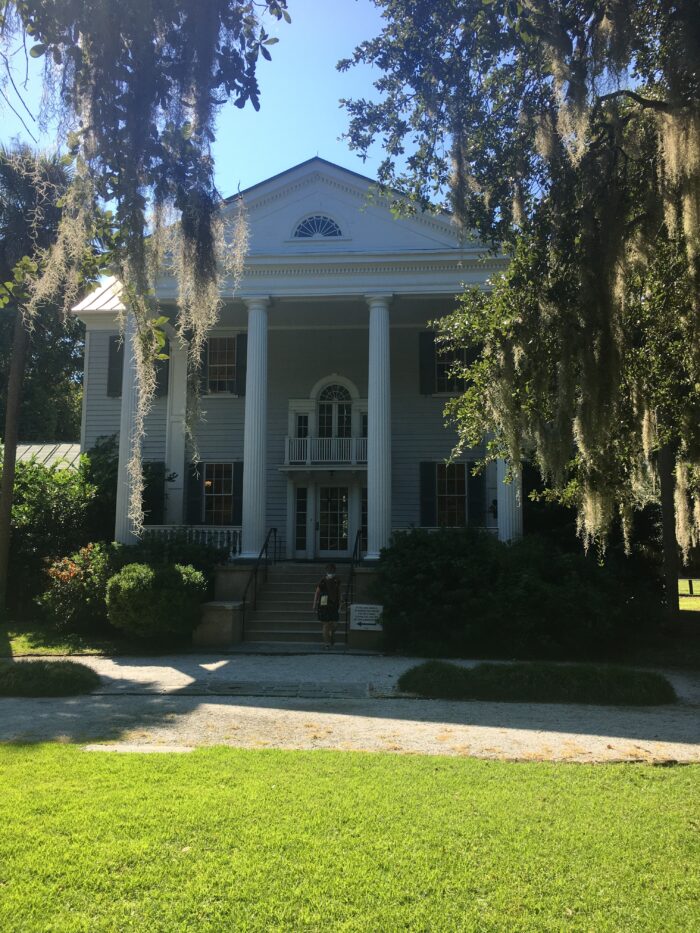
Credit: Trey Kay/West Virginia Public BroadcastingMcLeod Plantation is a former slave plantation located on James Island, near Charleston, SC.
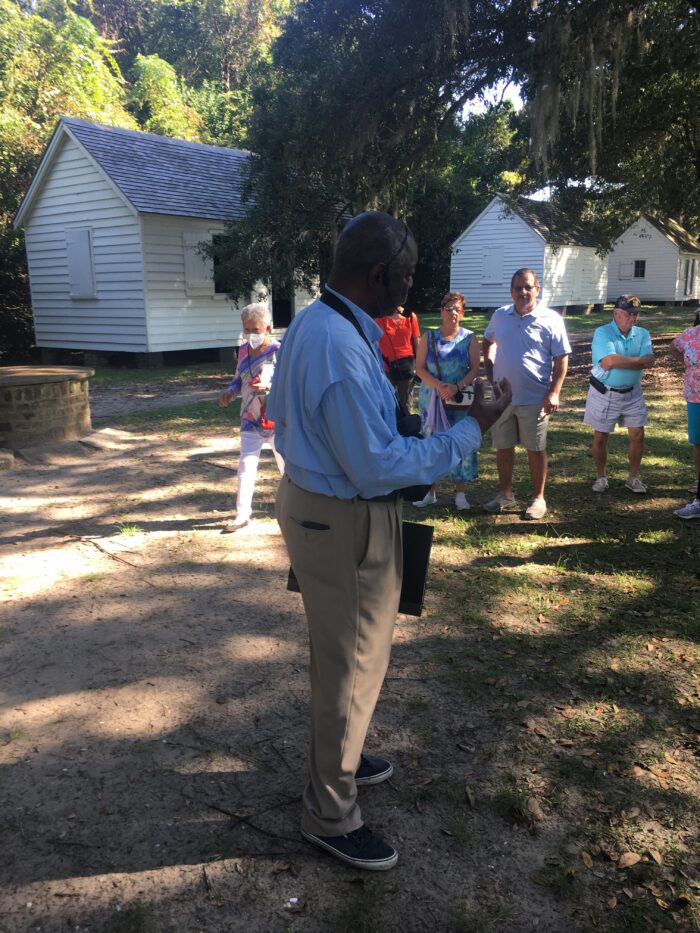
Credit: Trey Kay/West Virginia Public BroadcastingJohn Gardiner stands in front of small cabins, which once house enslaved people, and speaks about the history of the McLeod Plantation and the slave trade in Charleston, SC.
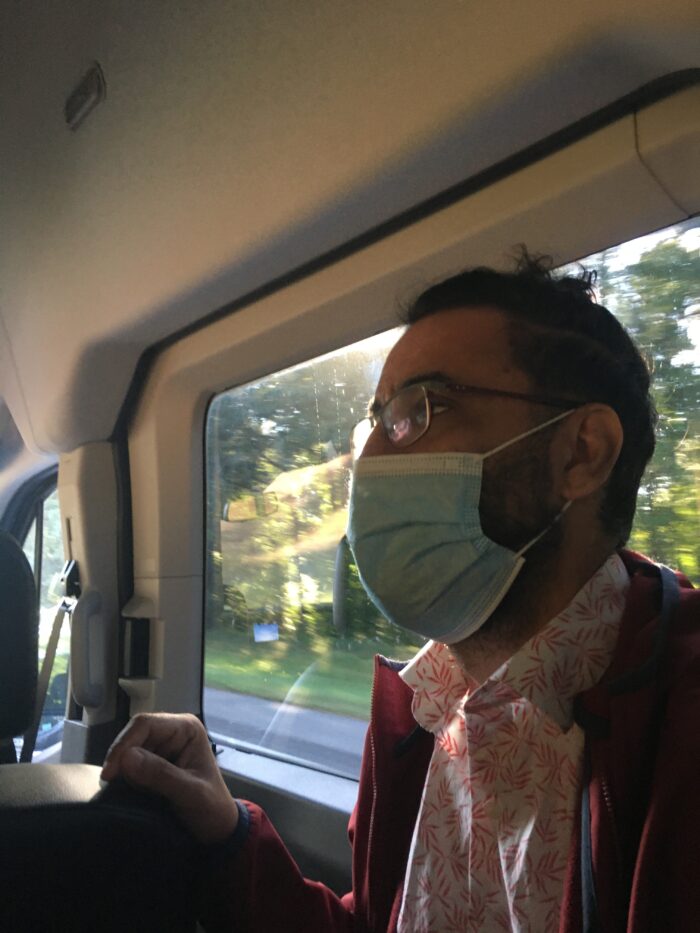
Credit: Trey Kay/West Virginia Public BroadcastingAziz Abu Sarah, founder of Mejdi Tours, rides on a bus heading to Charleston, SC and tells travelers about his experience as a Palestinian growing up in Jerusalem.
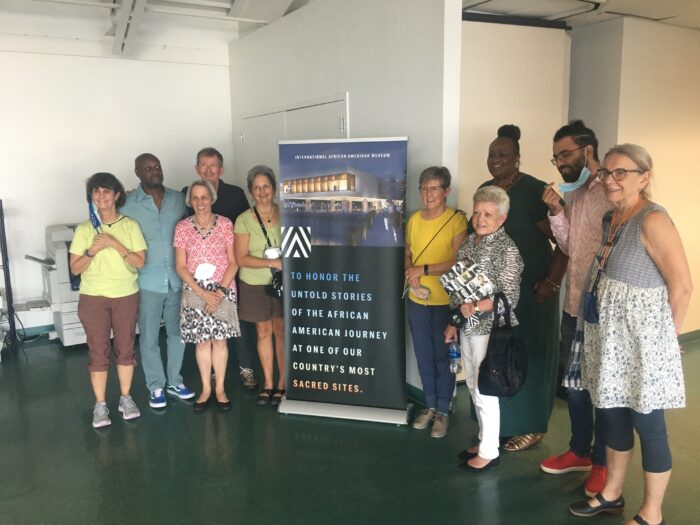
Credit: Trey Kay/West Virginia Public BroadcastingMejdi Tours’ Civil Rights Journey stops at the site of the future International African American Museum in Charleston, SC.
Credit: Trey Kay/West Virginia Public Broadcasting
Add WVPB as a preferred source on Google to see more from our team
Generations ago, kudzu was introduced to Appalachia to help control erosion and provide forage for cattle. But then, it kind of just took over. Kudzu is an invasive plant that chokes out native greenery. Some people are fighting back. Folkways Reporter Eliza Benbow spent time with the kudzu warriors in western North Carolina.
Inside Appalachia Host Mason Adams met with author Barbara Kingsolver at her home outside Abingdon, Virginia, a couple weeks before her new novel "Partita" was set to publish.
On this West Virginia Week, a mine operation in Kanawha County gets a WARN Notice, three Wyoming County Schools will remain closed until next week, and we learn the origins of the Flatwoods Monster.
This week, Barbara Kingsolver’s new novel takes on issues of class and classical music. Also, kudzu warriors band together to fend off invasive plants and take back the land. And, it’s pawpaw season, but a new bug could be harming the trees.