


Volunteers Take On Needed Repairs For Annual 'Day Of Caring'
More than 1,200 volunteers spent Wednesday in six counties of central West Virginia for the United Way's 21st annual Day of Caring.
Continue Reading Take Me to More NewsAlert (09/10/2026): Our Parkersburg TV transmitter is undergoing maintenance for a few days and will not be operational. We apologize for any inconvenience.
All our programming is available via our TV livestreams on our website and WVPB Passport. Thank you for your patience!




To Educate, Inform, and Inspire by Telling West Virginia's Story
Mountain Readers Week will be held Oct. 5-9, 2026! Sign up to read in your community!
Learn more about Be My Neighbor Day! And check out our recap from last year.

On Demand

On Demand

Stream original productions from WVPB

Watch locally produced documentaries & more.

On Demand

On Demand






West Virginia Morning

Inside Appalachia

West Virginia Week

Mountain Stage

Us & Them

The Legislature Today

The Legislature This Week

Send us your comments and questions.

Stream our board meetings.

Check out the latest WVPB news.

Sign up for our newsletter and get weekly updates.

Meet the WVPB staff.

WV Educational Broadcasting Commission, the WVPB Foundation, and the Friends of WVPB.

Come work with us!

Read our annual report and learn how we educate, inform and inspire with your support.

Sponsor impactful and engaging media and entertainment.

Use your IRA to make a gift to WVPB.

Become a member with your gift of $1,000 or more.

Make WVPB part of your legacy.

Manage your membership account.

Learn how you can Protect and Sustain West Virginia Public Broadcasting.
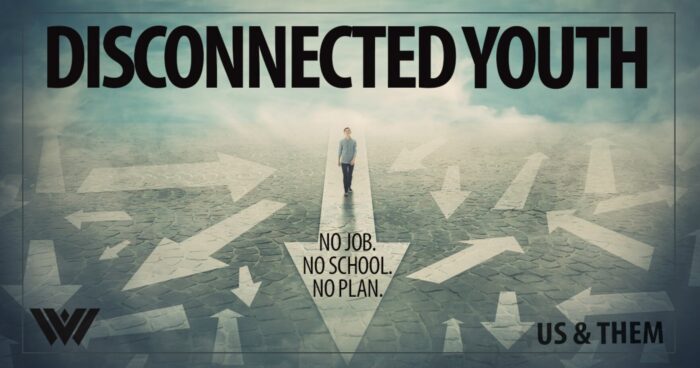
There are so many young people in the U.S. who are not in school, working or training for work, that there’s a name for it. They are ‘disconnected youth,’ and while West Virginia’s rate has dropped in recent years, it’s still one of the highest in the nation.
Just under 12%, or 24,000, young people are in this category, and they can be tough to track down because there’s a stigma attached to this status. However, some programs are trying to bridge the gap – to connect with young people and help them train for a job and a career.
On this Us & Them episode, we’ll find out why some young people get stuck and the things Mountain State leaders say could help this next generation.
This episode of Us & Them is presented with support from the Claude Worthington Benedum Foundation and the West Virginia Humanities Council.
Subscribe to Us & Them on Apple Podcasts, YouTube Music, Spotify, the NPR app and wherever you get your podcasts.
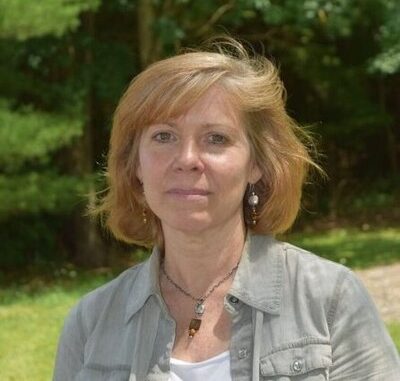
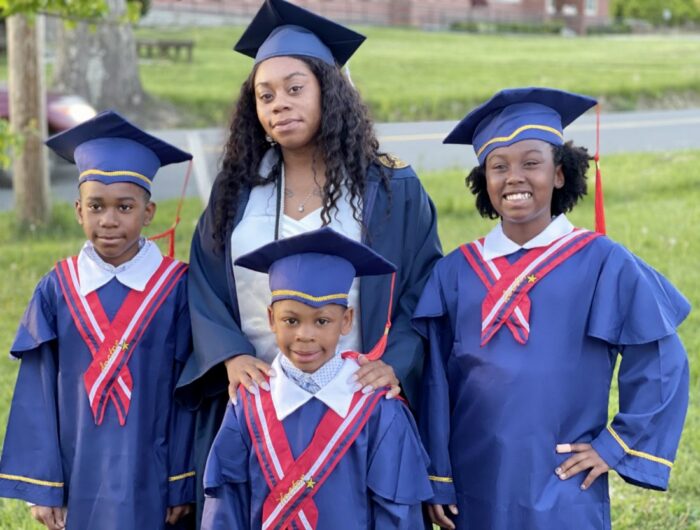
“A lot of them have not had basic needs met for a while. They haven’t been able to get to the dentist, they haven’t been to a doctor, they need to get eyeglasses, they don’t have a driver’s license, they can’t find their Social Security card or their birth certificate. So, we walk through those things to get them to a stable place, where they then feel comfortable to even be in a classroom and start thinking about their education, start getting marketable job skills.”
— Michelle Ferris
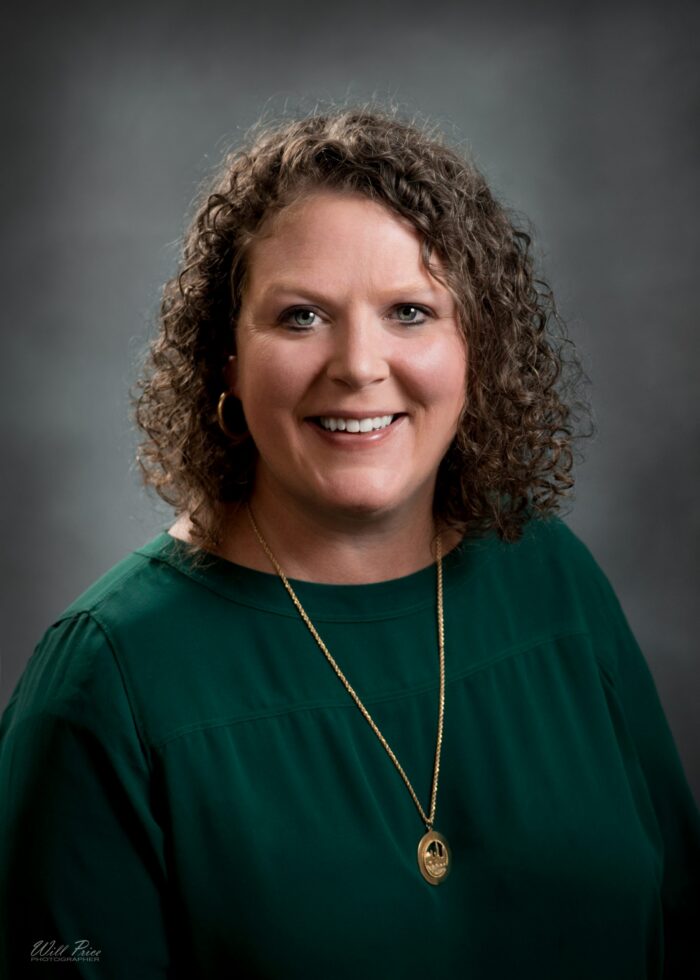
“I generally don’t like to characterize people in a negative connotation, and ‘disconnected youth’ seems to me to be a negative connotation. I’m sure that those students are connected to something. It’s our job to figure out what they’re connected to, to tap into that and to get them to connect to other things.”
— Sarah Armstrong Tucker, chancellor of the West Virginia Higher Education Policy Commission and the West Virginia Community and Technical College System
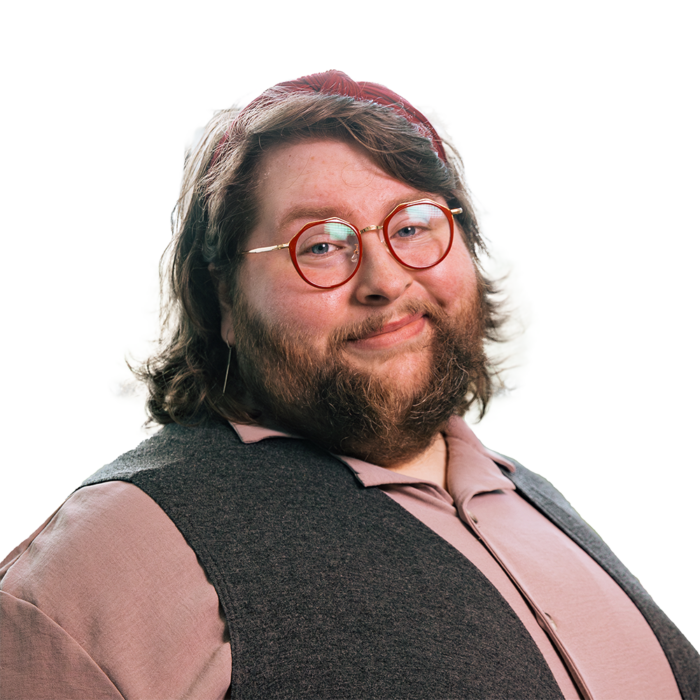
“I grew up in Elkins, West Virginia, in a fairly lower, middle class family who had periods of some pretty acute poverty. And as a queer teenager trying to figure out, ‘OK, what comes next out of this tiny town?’ there was a lot of, ‘Where do I go? Where do I look? How do I get connected?’ And if it wasn’t for the social connections that I was fortunate enough to have, there is no way that a lot of this stuff would have happened. … Unless I had people who were like, ‘Oh, here’s how to do this,’ there’s no way I would have gotten the drive to go to college or the push to keep going further.”
— John Prentice
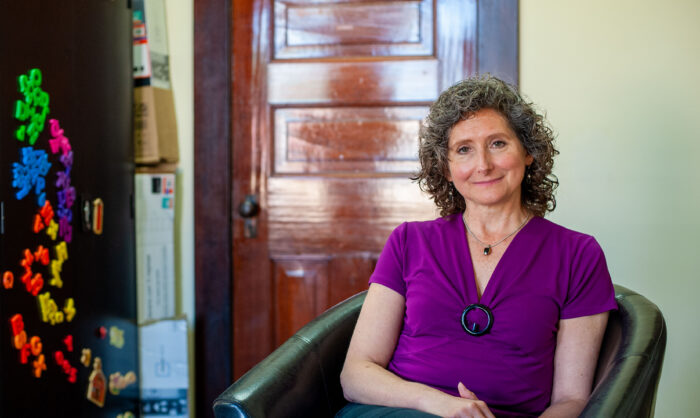
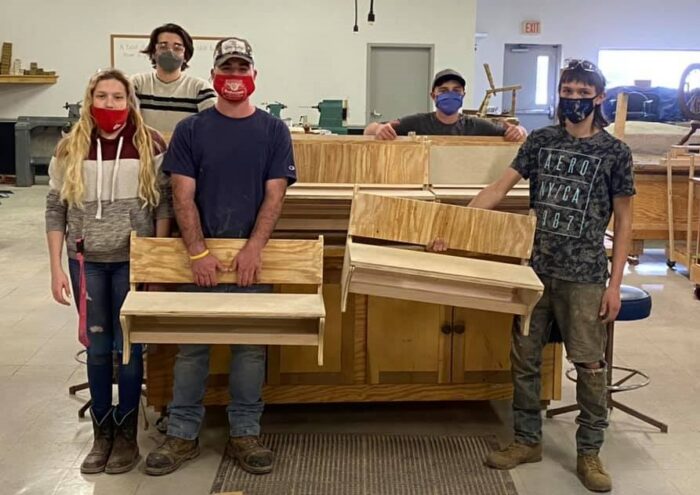
“You don’t fix anything. You provide skills. You teach abilities. You support. You encourage. You guide. We don’t ‘fix’ because these people aren’t broken. They have been through some horrendous experiences, or they have chemical imbalances, or they are in bad situations. They are not broken. They just need help, support and skills.”
— Colleen Moran
Add WVPB as a preferred source on Google to see more from our team

The public will get a chance to voice their opinions on a new charter school proposal for Huntington next week.
Continue Reading Take Me to More NewsThe funding will help the West Virginia State Police increase the number of eligible DNA samples analyzed for entry into a federal database and will also help reduce turnaround times for forensic cases involving DNA evidence and prevent backlogs of forensic and DNA database samples.
Continue Reading Take Me to More NewsA new online tool is designed to help kinship and foster families find support and resources in communities across West Virginia.
Continue Reading Take Me to More NewsAfter years of complaints and proceedings with the Public Service Commission of West Virginia, three struggling Fayette County water and sewer systems will be sold to West Virginia American Water.
Continue Reading Take Me to More News