Alert (09/29/2026): Our Parkersburg TV transmitter is still undergoing maintenance and remains temporarily inoperative. We apologize for the inconvenience.
All our programming is available via our TV livestreams on our website and WVPB Passport. Thank you for your patience!
Barbara Kingsolver is one of Appalachia’s foremost writers. She’s written a string of bestsellers, like "The Poisonwood Bible" and "Demon Copperhead," which won her the Pulitzer Prize. Inside Appalachia’s Mason Adams met Kingsolver at her home outside Abingdon, Virginia, to talk art, writing and her latest book, "Partita." We listen to an excerpt from that interview.
Hurricane Helene Comes To The Mountains, Inside Appalachia
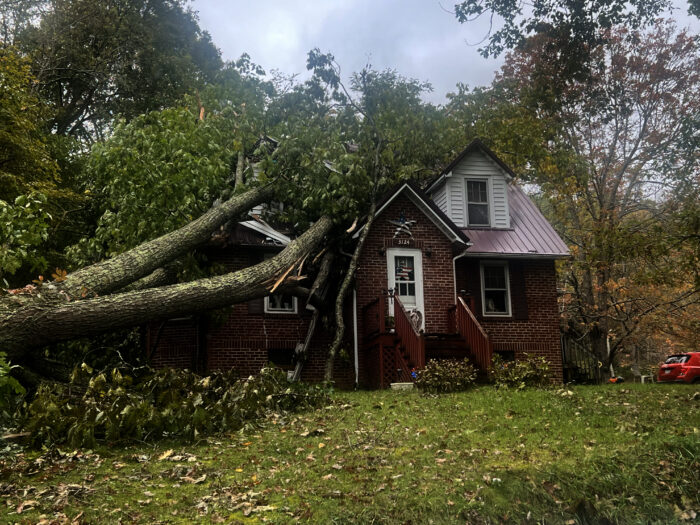
High winds and soggy grounds from Hurricane Helene caused multiple trees in Mercer County to topple onto houses and roads. Courtesy of Greg Puckett
Listen
Share this Article
Hurricane Helene dumped nearly 30 inches of rain in parts of western North Carolina and east Tennessee. Communities are reeling from the devastation. We check-in with Lilly Knoepp at Blue Ridge Public Radio in western North Carolina.
Also, a new book illustrates the tiny worlds of mountain critters, like a lizard that changes color.
AndWhite potters co-opted the African art of face jugs in the 1800s. A modern-day Black potter says his art can’t be replicated.
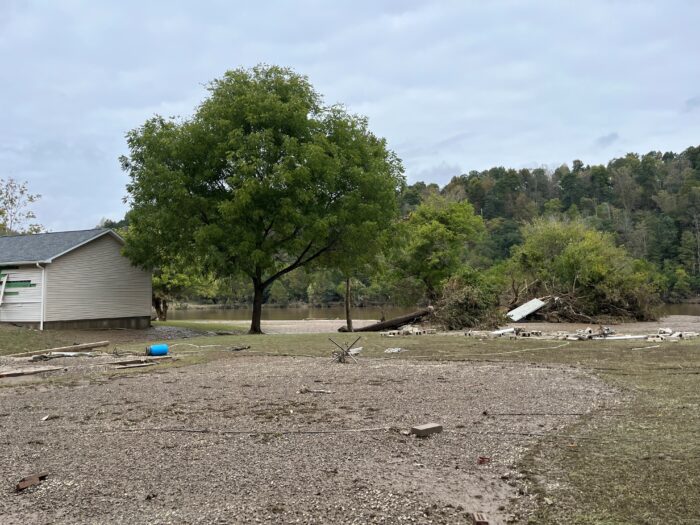
Hurricane Helene brought flooding through Appalachia, including southwestern Virginia.
Photo by Roxy Todd
As we were working on this week’s show, Hurricane Helene hit the Southeast. The storm washed away roads and bridges, knocked out power and cell service and left a trail of devastation. Many people are still missing, and the number of confirmed dead continues to rise. Mason Adams spoke with Blue Ridge Public Radio reporter Lilly Knoepp, who lives in western North Carolina, near where the storm caused the most damage.
Helene also rocked southwestern Virginia. Radio IQ’s Roxy Todd reported.
Rosalie Haizlett Explores “Tiny Worlds”
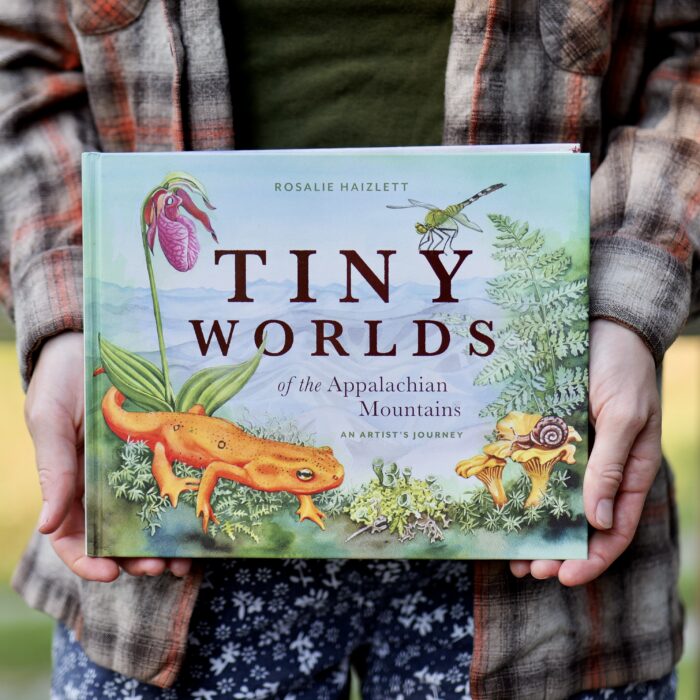
“Tiny Worlds” is a menagerie of little critters found in the Appalachian Mountains.
Photo by Rosalie Haizlett
In 2022, nature artist Rosalie Haizlett set out on a trip to illustrate some of the tiny “critters” of the Appalachian mountains. Her illustrations became “Tiny Worlds of the Appalachian Mountains, an Artist’s journey.” Producer Bill Lynch spoke with Haizlett about the book.
Reclaiming An African Art
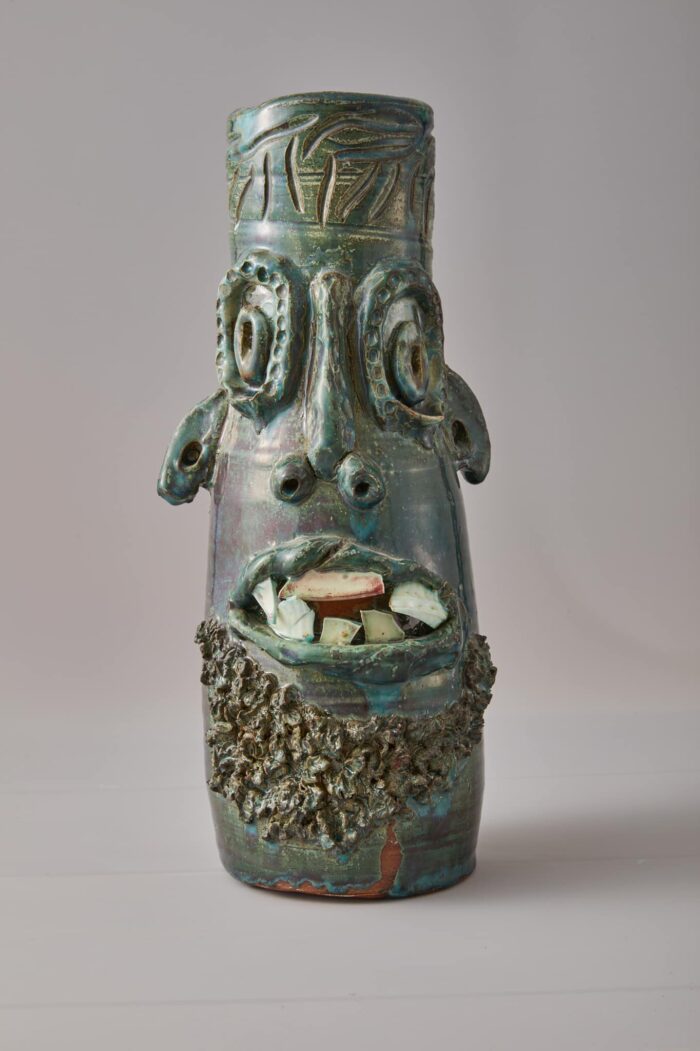
African Face Jugs came to America through Slavery. Artist Jim McDowell uses the art form to speak about the African American experience.
Courtesy
You’ve probably seen pottery with a face on it.
There are lots of examples of face-shaped vessels out there — from cheap souvenir shop knick-knacks to museum-quality pieces that can sell for millions of dollars.
Some are connected to African Face Jugs, an artform made by enslaved people in the deep South in the mid-1800s.
In 2023, Folkways reporter Zack Harold traced the story of Face Jugs, beginning in the basement pottery studio of West Virginia artist Ed Klimek.
------
Our theme music is by Matt Jackfert. Other music this week was provided by Dinosaur Burps, Sierra Ferrell, Sean Watkins, Joe Dobbs and the 1937 Flood, Paul Loomis, Blue Dot Sessions
Bill Lynch is our producer. Zander Aloi is our associate producer. Our executive producer is Eric Douglas. Kelley Libby is our editor. Our audio mixer is Patrick Stephens. We had help this week from folkways editor Chris Julin.
You can send us an email: InsideAppalachia@wvpublic.org.
Barbara Kingsolver is one of Appalachia’s foremost writers. She’s written a string of bestsellers, like "The Poisonwood Bible" and "Demon Copperhead," which won her the Pulitzer Prize. Inside Appalachia’s Mason Adams met Kingsolver at her home outside Abingdon, Virginia, to talk art, writing and her latest book, "Partita." We listen to an excerpt from that interview.
West Virginia has seen the largest population decline in the nation - nearly 1.5% - and many of those leaving are young people. In an episode that aired last month, Us & Them host Trey Kay heard from some young people who think they may stay in the state to launch their futures. This month, Kay talks with those who say living their dreams may well require moving away from the Mountain State. We listen to an excerpt from the latest Us & Them.
They love West Virginia, but love alone may not be enough to keep them here. In the second of two Us & Them episodes, Trey Kay talks with young West Virginians who say they may need to leave in search of careers, community and a place where they can imagine their futures. Their decisions reveal what the Mountain State risks losing when young people cannot see a place for themselves at home.
Last week, we aired the first part of an interview with a WVSU professor about what is AI. In the second part of that interview, we explore the best way to use AI to get what you want – while avoiding fabricated or false answers that seem real.