The Origins of Monongahela and its Many Pronunciations
Listen
Share this Article
Inside Appalachia’s What’s in a Name segment explores the history and folklore of the names of Appalachian places. For the latest segment, we dug a little deeper into a debate we’ve had here in our newsroom — the origins of the name of one of our rivers — and how to pronounce it.
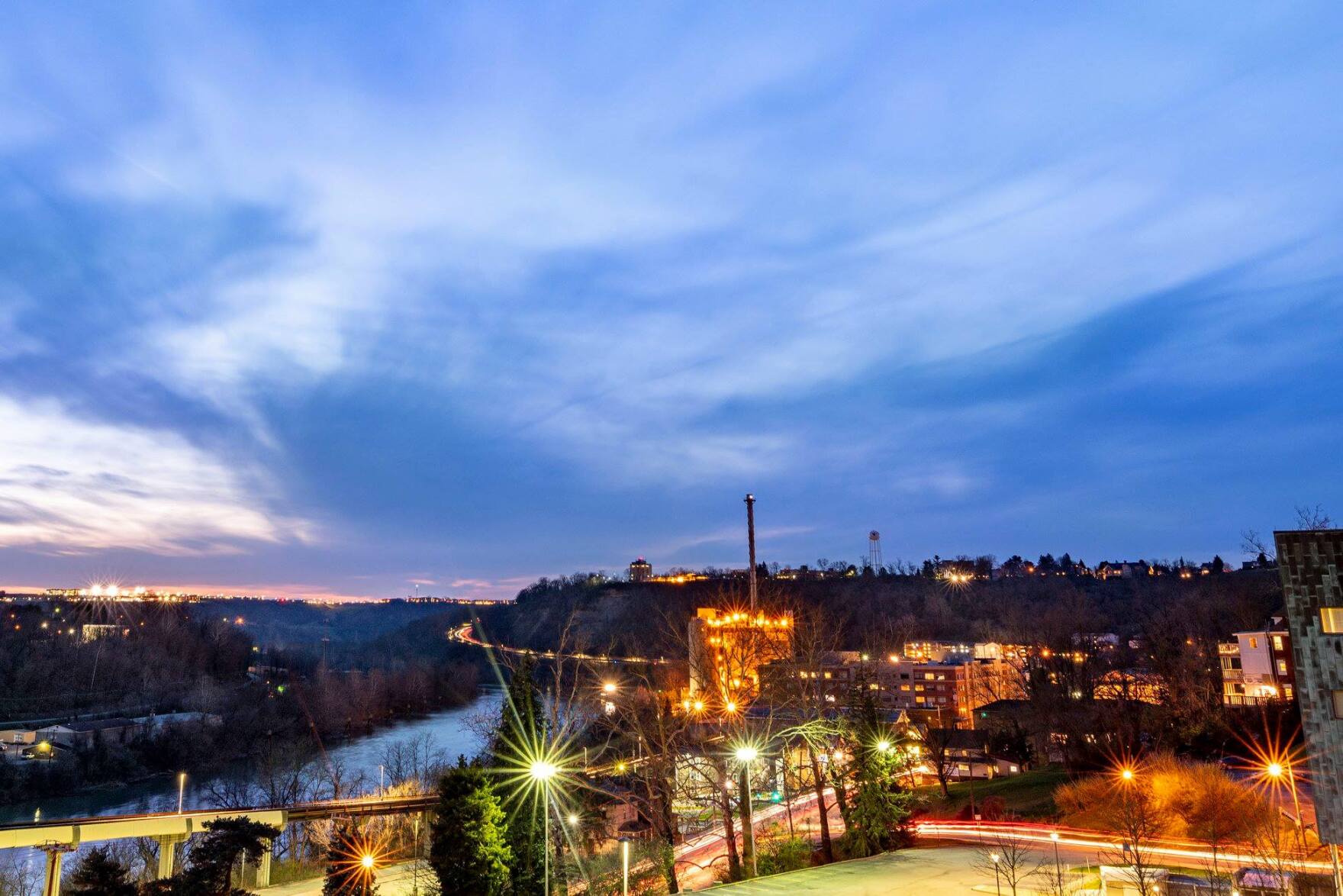
If you’ve ever been to Morgantown, West Virginia, you’ve probably driven over or near the Monongahela River. Some people pronounce it, Mononga-HEE-la and some people pronounce it Mononga-HAY-la.
So, which is the correct way to say it? And where does the name originate, anyway?
Lately it came to our attention that people pronounce the name of the 130-mile river that flows from northern West Virginia to Pittsburgh, differently
“The name comes from one of several interpretations of American Indian words that I can’t pronounce for you, but which translate into place of many landslides or high banks or bluffs falling down in many places,” Kelly Bridges, public affairs officer for the Monongahela National Forest, said. The forest is named after the river.
Most people just say ‘The Mon’ when referring to the forest or river — it’s easier than saying the full 11-letter word. But if you call the Mon National Forest Service this is what you hear…
“Thank you for calling the Department of Agriculture Mononga-HEE-la National Forest.”
“I pronounce it Mononga-HAY-la. And my mom — I asked her the other day — and she says Mononga-HAY-la.”
Taira asked her coworkers, too.
“The executive director pronounces it Mononga-HEE-la and his secretary says Mononga-HAY-la. The Cheat Ranger district ranger pronounces it Mononga-HEE-la.”
So this got us thinking, is there a right way to say the name?
Credit Kara Lofton / West Virginia Public Broadcasting
/
West Virginia Public Broadcasting
A view of the Dolly Sods Wilderness Area, which is part of the Monongahela National Forest in eastern West VIrginia.
The word originates from the Lenape language — spoken by the Delaware Tribe. A tribe that likely passed through northern West Virginia and southern Pennsylvania hundreds of years ago. We spoke with Jim Rementer who is the tribe’s language director.
“The proper Lenape pronunciation is Mo-noun-GEE-ha-la.”
But before learning the Lenape language, Jim pronounced it differently.
“I grew up in eastern Pennsylvania and I’d always heard and said Mononga-HEE-la.”
So there’s Mo-noun-GEE-ha-la, Mononga-HEE-la…and Mononga-HAY-la, but there’s one other way people say it in southern Pennsylvania. Where the town is named after the river.
“It is Mononga-hell-uh,” resident Diana Barber said.
Let us know if there’s a name of a place in Appalachia you’re curious about, send us a tweet @InAppalachia and we might explore it. If you want to hear other What’s In A Name features, or to check out Inside Appalachia, visit the show page.
Add WVPB as a preferred source on Google to see more from our team
On this West Virginia Week, the unhoused population in the state declines, child well-being remains the same, and just how many abandoned gas wells are there?
This week, we’re revisiting a show featuring storytellers out loud in front of audiences. Folks like five-time champion of the West Virginia Liars’ Contest, Bil Lepp. Also, musicians Anna & Elizabeth, whose storytelling used something known as a crankie. And, we’ll head to the International Storytelling Center in Jonesborough, Tennessee.