Alert (10/27/2026): Our 88.5 FM signal in Charleston is experiencing intermittent outages. Our engineers are working with our provider to find a solution. We apologize for the inconvenience.
Our radio livestream is available at wvpublic.org and through the WVPB app. Thank you for your patience.
Southern West Virginia has rich but often overlooked musical traditions. Chris Haddox is a WVU professor of sustainable design, but he's also spent years uncovering more information on those overlooked musicians. We spoke with him to learn more about his effort to shine a light on the musical talents of local miners, now with the help of a grant from the Mellon Foundation.
Spending in 2004 Race Pushes Benjamin to Use Public Financing
Listen
Share this Article
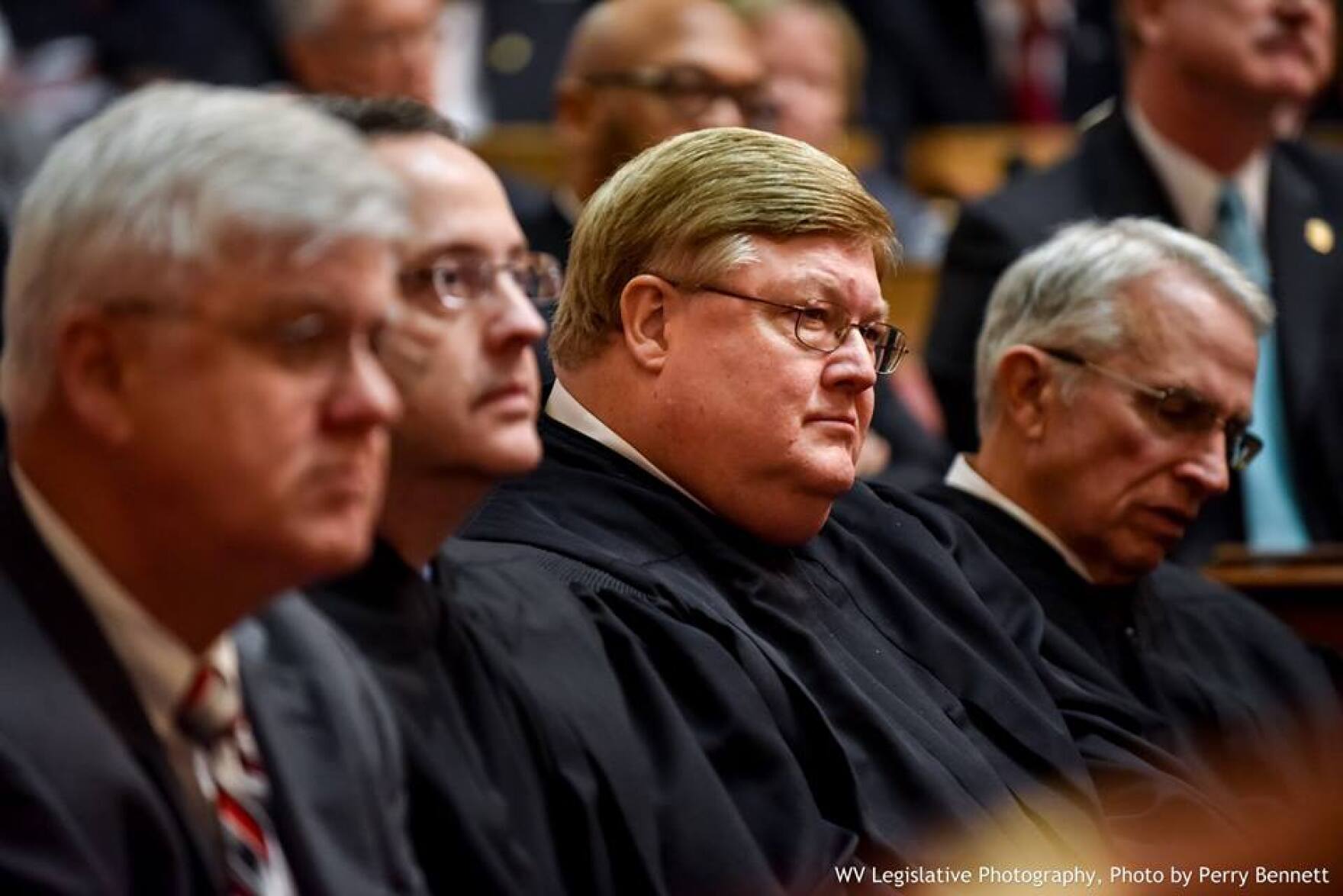
Brent Benjamin was first elected to the West Virginia Supreme Court in 2004 during a race that became known for the influence of outside spending.
At the time, Massey Energy CEO Don Blankenship funneled big bucks into the race attacking Benjamin’s opponent, incumbent Justice Warren McGraw, and now Benjamin, the conservative lawyer turned centrist judge, is attempting to move past his former political ties in 2016’s nonpartisan race.
“In 2004, we saw the effect of independent groups out there, independent of the candidates spending lots of money,” Benjamin said when asked about the Blankenship backed attack ads.
“Candidates didn’t have any control over that, neither myself nor Warren McGraw, and it dwarfed the message that the candidates could get out,” he said. “That’s not a good thing.”
That outside spending is a big reason Benjamin said he chose to participate in the state’s public campaign financing system, available only to Supreme Court candidates.
“It is the single best way to help the public, or reassure the public that there are no undo influences from anybody outside the state or any PACs or groups out there that have agendas in the court system,” Benjamin said of the program.
He and fellow candidate Bill Wooten are the only two of five candidates for the high court that chose to participate in the program this year, and both faced a legal challenge by opponent Beth Walker before receiving the funds.
In a lawsuit, Walker claimed both candidates missed filing deadlines and should be disqualified from the program, despite a State Election Commission decision in their favor. The West Virginia Supreme Court, made up of a panel of appointed circuit court judges, ruled in Benjamin and Wooten’s favor, giving them $500,000 each to fund their campaigns.
Still, Benjamin’s opponents have openly criticized him for his use of the public funds during a tough financial time for the state.
“First of all, that’s a policy decision and if you’re going to be a judge you should leave the policy decisions to the Legislature,” Benjamin said of the program itself. “The Legislature listened to the people and the people told them, this is the program we want. It’s that important.”
Benjamin also said the funds are not taken from the general revenue budget, but come from special accounts specifically created for the purpose of the program.
Credit Perry Bennett / West Virginia Legislative Photography
/
West Virginia Legislative Photography
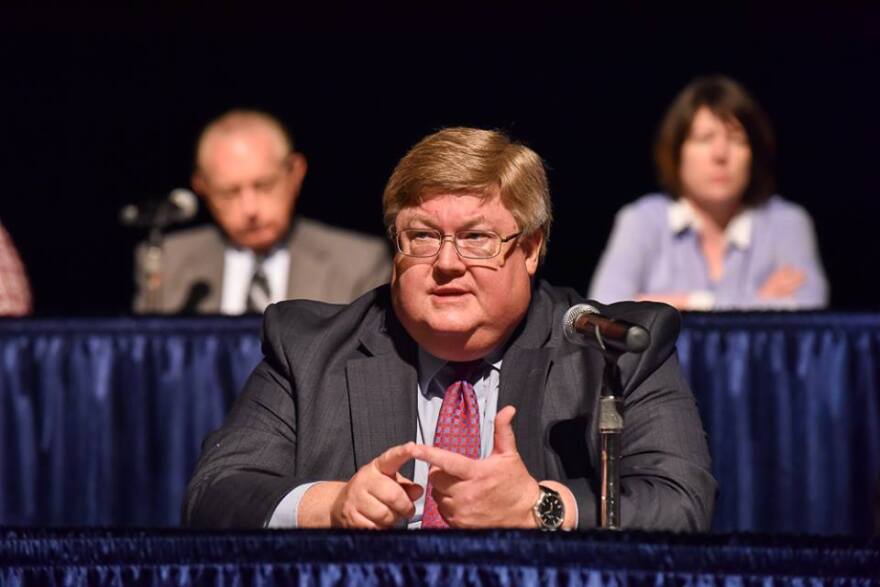
Supreme Court Justice Brent Benjamin participated on a 2015 panel discussing the state’s substance abuse epidemic.
But in 2016, the cycle of high levels of outside spending seen in previous years is repeating itself. The latest campaign finance filings show independent groups have spent $1.8 million on the Supreme Court race in West Virginia, some $200,000 more than the five candidates themselves.
To overcome these outsider political messages, Benjamin is relying on his work with the state’s drug courts, diversionary programs that help addicts get treatment instead of going to prison.
Benjamin has played a major role in the creation of adult, juvenile and veteran court systems. So far, he said 1,400 West Virginians have graduated from the programs.
“Every statistic is a human being in West Virginia and we have found that the drug problem affects every level of our society and it’s really hurting our state,” he said. “These are people who are being moms and dads again, they’re being sons and daughters again and that’s such a wonderful statistic and I’m just so pleased I’ve been able to be a part of that.”
This year, judicial officer, including Supreme Court candidates, are being elected on a nonpartisan basis for the first time. This is also the first time judges will be elected during the May 10 primary.
Add WVPB as a preferred source on Google to see more from our team
Southern West Virginia has rich but often overlooked musical traditions. Chris Haddox is a WVU professor of sustainable design, but he's also spent years uncovering more information on those overlooked musicians. We spoke with him to learn more about his effort to shine a light on the musical talents of local miners, now with the help of a grant from the Mellon Foundation.
The online system allows businesses to apply for permits, pay fees, and track applications through a single account as part of the governor's Speed to Build initiative.
If your doctor recommends a big test or procedure, a decision tool with the acronym B.R.A.I.N. can help you talk through options collaboratively. It works at a routine checkup or in high-stakes medical situations like childbirth. As part of the Appalachia + Mid-South Newsroom, health reporters Kara Anthony and Blake Farmer brings the latest from the series, HealthQ.
Spending via the Hope Scholarship Program has increased by more than 50% over the past year, with most of the money going to nonpublic, private schools.