This week, when an award-winning Asheville chef decided to launch a restaurant, she returned to a rich community tradition. Also, the popularity of weaving waxes and wanes. At the moment, it’s having a renaissance. And, during Lent, Yugoslavian fish stew is a local favorite in Charleston, West Virginia.
Novel by Virginia Native Explores Life During the Jim Crow South
Listen
Share this Article
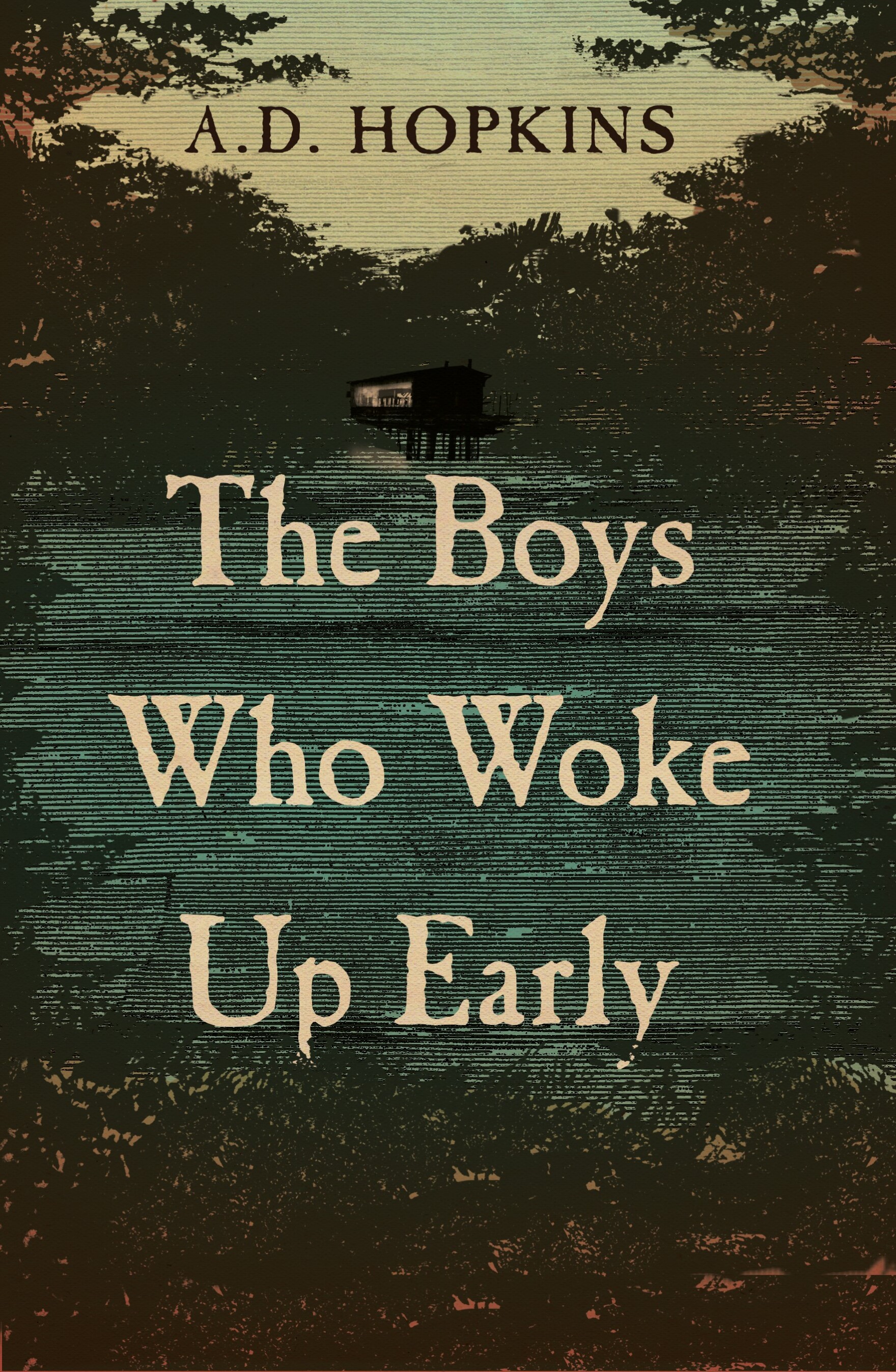
The novel “The Boys Who Woke Up Early” looks at the Jim Crow south in a fictional county along the border of Virginia and West Virginia in 1960. Author and journalist A.D. Hopkins told the story through the eyes of three teenage boys.
Hopkins’ main character is a teenage boy named Stony. He is a juvenile delinquent, who is always in trouble with his school and with law enforcement. They live in a fictionalized town called Early, Virginia during a period “when the Ku Klux Klan is still in still lingering around when the color bar is still very much in force,” Hopkins said.
Stony, Jack, and a young black man named Roosevelt helped drag the town into the 20th century, thus becoming the boys who “woke up” early.
Hopkins grew up in central Appalachia and worked as a newspaper reporter. Later he moved to Las Vegas, Nevada and was eventually inducted into the Nevada Press Association’s Hall of Fame. But he never forgot the places where he grew up.
The choice to set his book in western Virginia in 1960 was easy for him.
“I knew 1960 like the back of my hand. That was when I was the age that Stony and Jack are in the book. I knew the culture at that time so very well. It was just more possible for me to write accurately about it,” he said.
Credit Courtesy photo
/
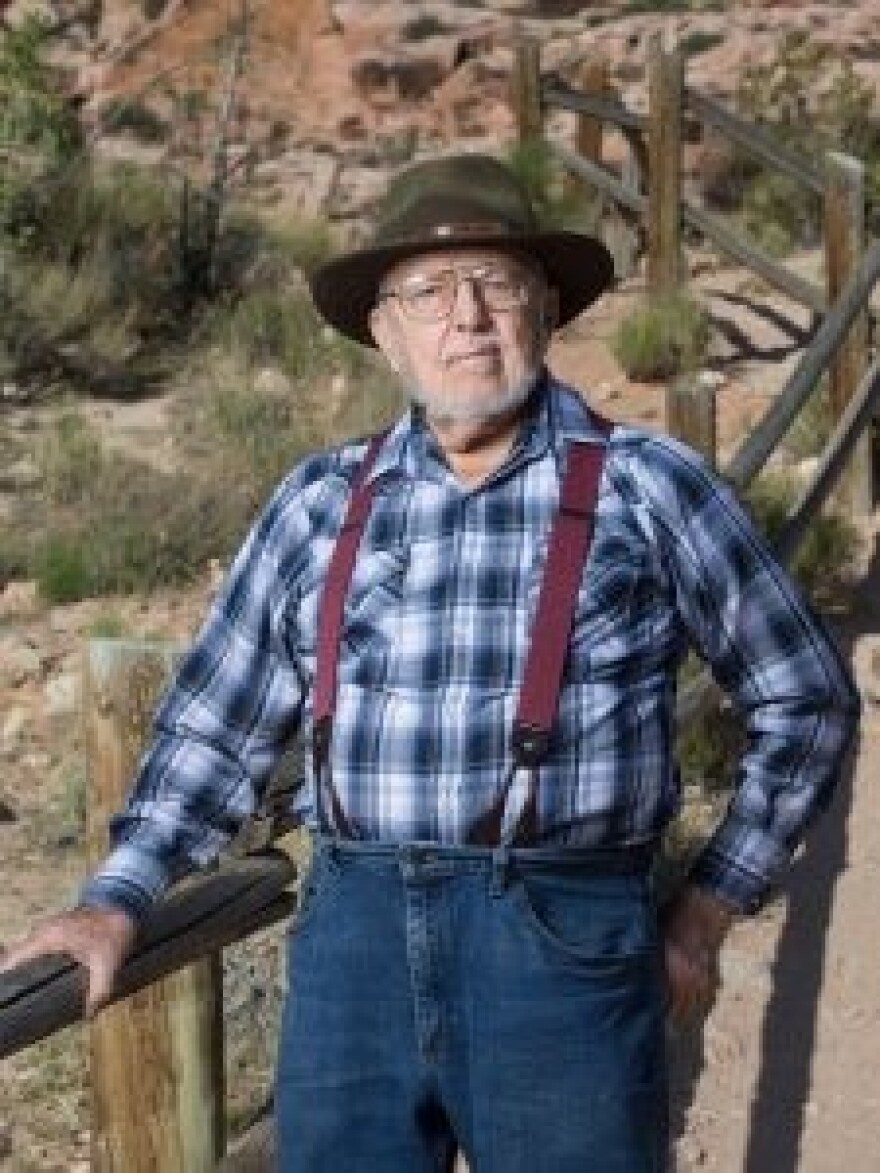
AD Hopkins, author of “The Boys Who Woke Up Early”.
Early in his journalism career, Hopkins covered the courthouse and police beats — like most young reporters. His characters in the book end up spending a lot of time in the local sheriff’s department, as well, to help when things get short-handed.
But Hopkins said he wasn’t trying to make a point with the book, as much as tell a good story. However, he noted that there was a point to it anyway.
“Young people often bring about social change and they don’t necessarily bring it about intentionally, but simply by living ethically,” he said.
The story’s setting was a fictional place, with a foundation in the places Hopkins knew from his youth.
“Nearly every event in the book happened somewhere, sometime to somebody in Virginia. Since some of these events are fairly negative, I didn’t want to give any real community a black eye,” he said. “So I invented a community to give the black eye to it.
Click on the play button above to hear the whole interview.
Add WVPB as a preferred source on Google to see more from our team
On this West Virginia Week, the state budget is headed to Gov. Patrick Morrisey, a statewide public camping ban bill moves forward, and Inside Appalachia visits Good Hot Fish.
This week, when an award-winning Asheville chef decided to launch a restaurant, she returned to a rich community tradition. Also, the popularity of weaving waxes and wanes. At the moment, it’s having a renaissance. And, during Lent, Yugoslavian fish stew is a local favorite in Charleston, West Virginia.
WVPB had a conversation with Us & Them host Trey Kay earlier this week on the significance today of the 250th anniversary of America’s founding. This week, WVPB is hosting a special screening event at Marshall University with excerpts from Ken Burns’ The American Revolution, and Kay will lead a panel discussion. We once again hear from Kay, this time speaking with one of the panelists — Marshall University political science professor George Davis — about why revisiting the nation’s founding story still matters.
WVPB will be screening excerpts of Ken Burns’ recent PBS documentary series "The American Revolution" this week at Marshall. Us & Them host Trey Kay will moderate the event, and he spoke recently with WVPB News Director Eric Douglas about why revisiting the nation’s founding story matters today. Also, a bill to temporarily delay moving a child to homeschooling during an active case of abuse or neglect hit a snag in the Senate on Monday.