One of America’s pioneering filmmakers had nothing to do with Hollywood but nevertheless left his mark on the emerging industry. Oscar Micheaux was a homesteader, who then turned his attention to making movies in the early 1900s. He was a Black man who made movies for Black audiences at a time when they weren’t allowed into mainstream, white-only theaters. And for several pivotal years in the 1920s, he operated out of Roanoke, Virginia.
Addiction Treatment Service to Add Women’s Facility in Charleston
Listen
Share this Article
West Virginia is struggling to keep up with the demand for treatment options for recovering addicts and if you’re a woman needing help, those options are even more scarce. Including co-ed, women and children, there are a total of 269 recovery beds for women, according the West Virginia Department of Health and Human Services (DHHR).
A facility is on track to open Spring 2016, thanks in part to the Justice Reinvestment Act, but more funding is needed.
A non-medical, inpatient treatment facility opened in Bluefield this past year. It creates space for 20 recovering male addicts, with more beds planned. It’s modeled after the Healing Place in Huntington, a place also for men.
The Charleston facility is also funded in part by the West Virginia Justice Reinvestment Act. Thaxton says it’s a $6.6 million construction project that’s on track for completion in Spring 2016.
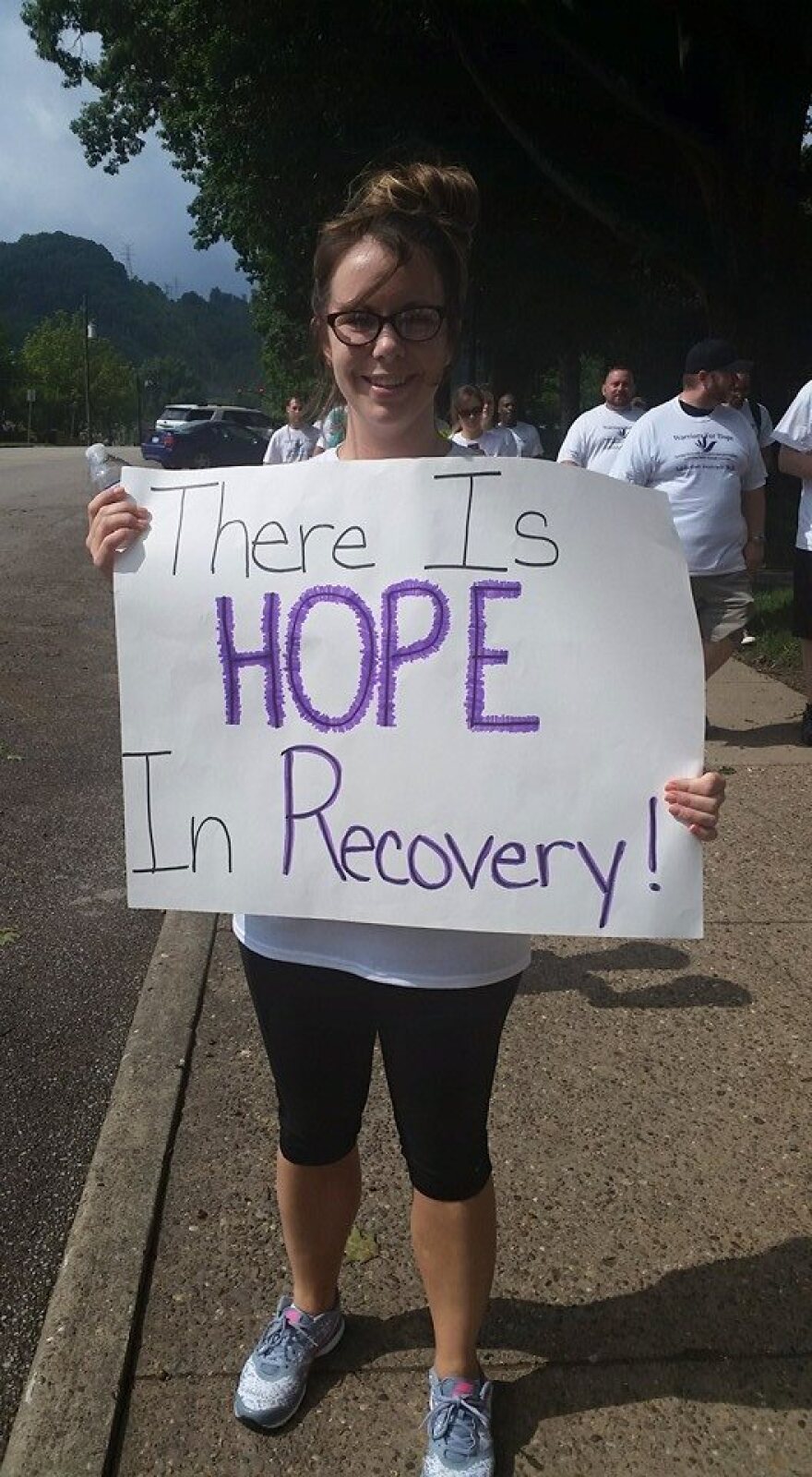
Rachel Thaxton is a recovering addict. She is now the program coordinator at the Recovery Place in Charleston.
Rachel Thaxton is the Program Coordinator of Recovery Point of Charleston, the first female treatment facility of its kind.
“When they said they were putting this facility in Charleston, I was just thrilled because I had been asking why there wasn’t one in West Virginia,” she said.
The DHHR says Recovery Point is different from other programs already available because this one houses a long-term, social model recovery program.
Thaxton is a recovering addict. She said she tried lots of other treatment options but none of them worked for her. She said it’s the peer-driven, social model that made a difference in her life. She has been clean for more than two years.
Thaxton says the program needs $500,000 of community support along with grants to complete funding for the project. The plan is to eventually house 140 women. But she expects that to be only a drop in the bucket when it comes to the need.
“I think that if they had one of these in every city in West Virginia they would fill up quickly,” she said.
Currently, there are recovery beds for women available in only 10 counties across the state.
These recovery beds for women are located in the following counties:
1. Raleigh
2. Kanawha
3. Cabell
4. Marion
5. Wood
6. Hampshire
7. Mingo
8. Greenbrier
9. Wayne
10. Ohio
Add WVPB as a preferred source on Google to see more from our team
America’s drug crisis is evolving — and so is the fight over how to define recovery. As medication-assisted treatment gains ground, some question whether it’s sobriety at all. In this encore episode, Trey Kay steps inside a West Virginia recovery mission where faith, medicine and survival intersect.
Millions of people are addicted to opioid pain medication. Some use medication-based treatment for their addiction. But that has created a divide in the world of recovery. We listen to an excerpt from the latest Us & Them, exploring the difference between an early medication called methadone and suboxone, which is often used now.
A West Virginia cabinetmaker describes his journey to becoming an accomplished poet. Also, state lawmakers have taken an important step to funding the state’s EMS. And, the Trump administration announced it would roll back a rule on power plant emissions of mercury.
Preparing to consider a host of child welfare bills this week, members of the Senate Judiciary Committee held a listening session to hear from people who've been impacted by the system.