


Spring Gobbler Season To Open On Monday
Hunters are encouraged to introduce someone under 18 years of age to the sport.
Continue Reading Take Me to More NewsAlert (March 11, 2026): Our TV translator in Flatwoods is experiencing technical issues. Our engineers are troubleshooting the problem. Thank you for your patience.




The submission period for the 2026 WVPB PBS KIDS Writers Contest has concluded! Winners will be announced soon.

Nominate an exceptional West Virginia teacher today!

On Demand

On Demand

Watch locally produced documentaries & more.

On Demand

On Demand






West Virginia Morning

Inside Appalachia

West Virginia Week

Mountain Stage

Us & Them

The Legislature Today

The Legislature This Week

Send us your comments and questions.

Stream our board meetings.

Check out the latest WVPB news.

Sign up for our newsletter and get weekly updates.

Meet the WVPB staff.

WV Educational Broadcasting Commission, the WVPB Foundation, and the Friends of WVPB.

Come work with us!

The nomination period for the Friends of WVPB Board of Directors is open until 11:59 p.m. on April 17, 2026.

Sponsor impactful and engaging media and entertainment.

Use your IRA to make a gift to WVPB.

Become a member with your gift of $1,000 or more.

Make WVPB part of your legacy.

Manage your membership account.

Learn how you can Protect and Sustain West Virginia Public Broadcasting.
Updated on Thursday, March 19, 2026 at 4:20 p.m.
Ann Ali, deputy chief of staff & communications director for the House of Delegates, shed some light Thursday on the procedural confusion around House Bill 5537 and its arrival back from the Senate Saturday night.
“Just like a bill technically is not ‘introduced’ until it is procedurally introduced on the floor, a message is not received by the House until it is received on the floor,” she wrote to West Virginia Public Broadcasting. “And that happened in the final batch of Senate messages as members convened for their final session of the day, after 9:30 p.m., which might account for the 12-hour difference in some people’s accounts of when exactly the bill ‘arrived.’”
Original Story:
When West Virginia’s 2026 legislative session came to a close at the stroke of midnight Saturday, more than 300 bills had crossed the finish line on their way to becoming law.
One that didn’t make the final cut had some opposition – but it also had approval from members of both parties in both chambers. Aimed at keeping children in potentially abusive situations safe, it led to high emotions as hope for its passage began to fade.
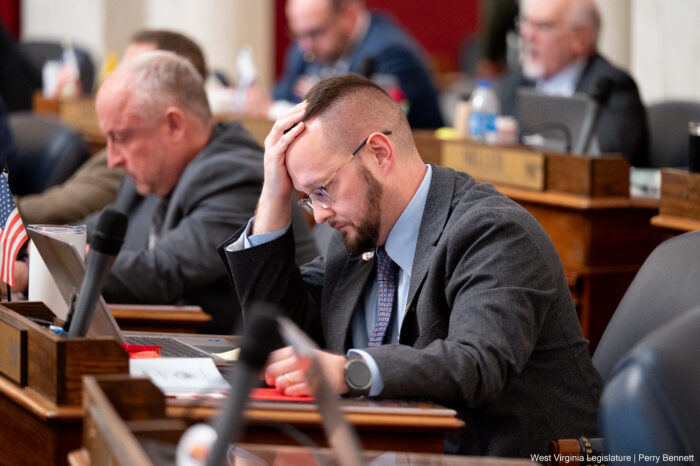
“We have an opportunity here tonight to do something to protect children. We have tried this for four years. If we amend this bill or change it in any way this bill dies tonight,” said Del. Elliot Pritt, R-Fayette, a teacher, who pleaded with his colleagues to dispense with politics and take up the bill directly.
It didn’t work.
For the fourth year in a row, the state legislature failed to enact Raylee’s Law. The frustration of that moment has given way now to analysis about what happened – and how to move forward.
The language of the law – amended into a separate bill to remove outdated sections of education code – passed both chambers late Saturday night but not with enough time for the chambers to concur on their versions of the bill.
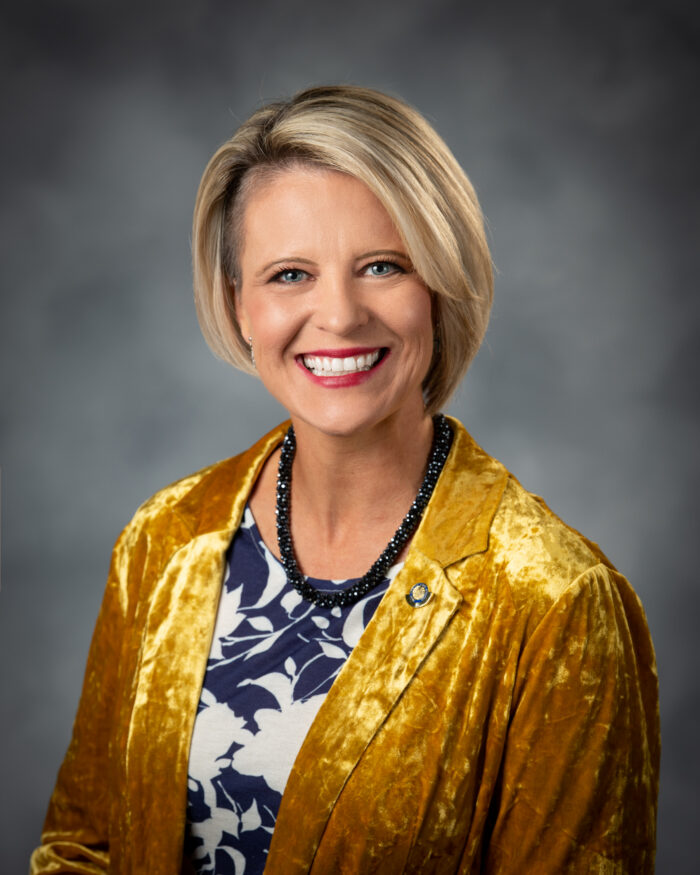
Sen. Amy Grady, R-Mason, said the bill is meant to give state Child Protective Services time to substantiate or close investigations of child abuse and neglect before a student is withdrawn for home instruction.
“The version we had in the Senate would give CPS 10 days to substantiate a claim,” she said. “Currently, CPS has 60 days to do that. And so this is really trying to hold CPS accountable and tell them you must get this taken care of and substantiate a claim.”
Grady acknowledges that the state’s CPS has bigger issues that she and her colleagues in the legislatures need to address. But she said that doesn’t invalidate the desire to keep children in potentially abusive situations under the watch of caring adults.
“Even taking care of the CPS issue is one thing, but still protecting that child from allowing them to be withdrawn where nobody has eyes on them is the second part,” Grady said.
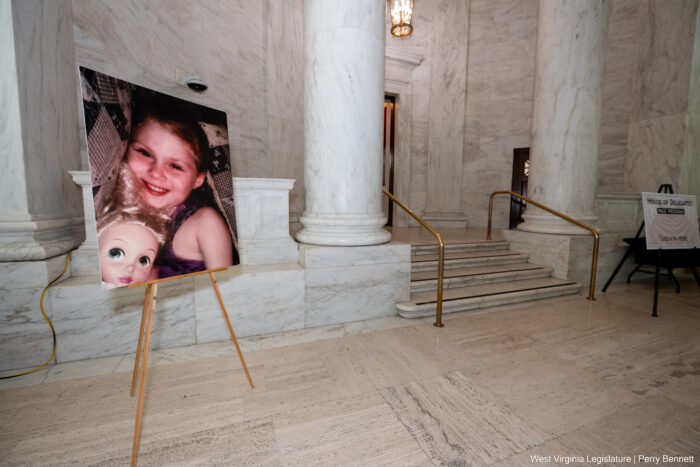
The law is named after 8-year-old Raylee Browning, who died in 2018 after she was withdrawn from school despite an active Child Protective Service investigation into reports of abuse.
The law’s language has been formally presented in the legislature for at least four years, with some reports indicating proposals have existed since 2020. The more recent, similar deaths of 14-year-old Kyneddi Miller in 2024 and 11-year-old Miana Moran in 2025 have lent the passage of Raylee’s law a renewed urgency.
This year’s attempt at passage required quite a bit of political maneuvering, with Grady helping to secure a voting bloc of 18 Senators to ensure the amendment could overcome any procedural opposition.
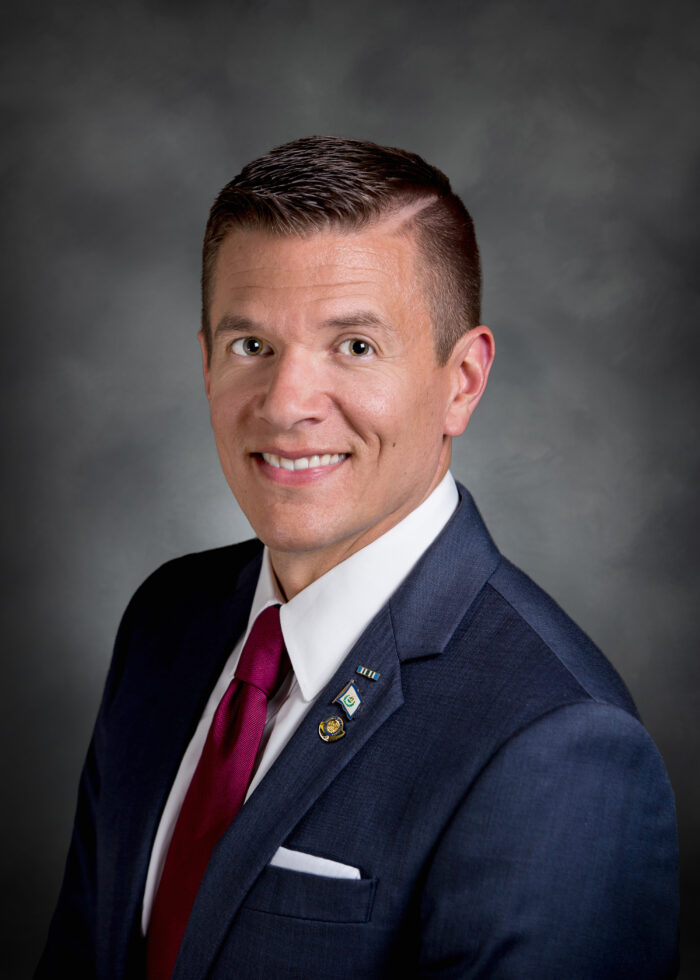
In a rare procedural conflict, the bloc came into play Friday as Senators led by Sen. Ryan Weld, R-Brooke, overruled Senate President Randy Smith’s ruling that the amendment was not germane to House Bill 5537. The bill ultimately cleared the upper chamber 24 to 7, which Grady said shows the majority of the body was in its favor.
“I think it’s important for people to understand that the only reason the bill didn’t run out of the Senate to begin with, the actual bill, was it was sent to the Health Committee,” she said. “In the Health Committee, all seven of those no votes that were on the board on Friday night are on that committee.”
In the hands of the House of Delegates, the lower chamber declined to take up the bill until after 11 p.m., within an hour of the session’s midnight deadline. A motion to consider was presented around 10:30 p.m. but was rejected 49 to 47.
It was around that time that Grady and Weld together walked across the rotunda of the Capitol to check on the bill’s progress and work out a deal to ensure that the bill would at least be taken up if not passed.
Since the events of Saturday, there has been public debate amongst lawmakers about when exactly HB 5537 was received in the House of Delegates. Grady said that several delegates told her that the lower chamber had the Senate’s message as early as 10 a.m. Saturday.
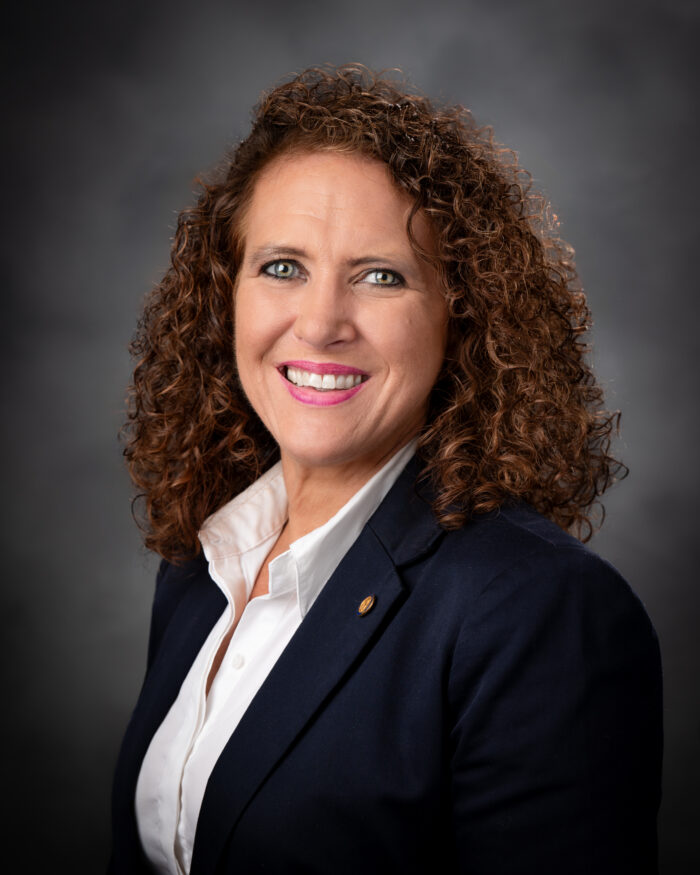
Del. Kathie Hess Crouse, R-Putnam, took to Facebook to give her account of the evening’s proceedings. In it, she notably stated that the House did not receive the bill back from the Senate until Saturday night.
“The bill finally arrived back in the House around 9:30 PM, but we still had several other bills to handle first, along with additional Senate messages coming back for final action,” Crouse wrote.
Crouse did not respond to multiple requests for comment.
Grady replied in the comments of the post, refuting Crouse’s timeline. Grady also expressed surprise at Crouse’s public posture after providing input on the Raylee’s Law amendment.
“The number of political ploys and games that are played with this bill (and others) every year is exhausting and shameful. I have never been more disappointed and disgusted in the dishonest actions I saw of many of my colleagues – in the Senate and House – as I was this legislative session,” Grady wrote.
Speaking to West Virginia Public Broadcasting this week, Grady concedes that Crouse may just be relating what she was told by House leadership, but she felt it was necessary to correct the public record.
“I knew that it was there at 10 o’clock (in the morning) and that it was held throughout the day. So I wanted to make sure the public knew that, because it’s a lot different context if you receive a bill at 9:30 on Saturday night, as opposed to 10 a.m. on Saturday morning,” Grady said “That, I think shows that leadership, some in leadership, we’re not interested in putting it on the agenda at all to run on the floor.”
Grady said she has listened to Crouse’s concerns regarding Raylee’s Law and its potential effects on homeschooling in the past, and specifically sought her out this year to provide feedback and input that was integrated in the final amendment.
“I was disappointed that she just flipped on me so quickly with her floor speeches and just, kind of just a flip flop of what we had agreed on and how we had had conversations that we’d had,” Grady said. “I think a lot of pressure got to her. I don’t want to speak for her, but that’s just my input. I felt like there was political pressure put on her and that it was tough. I get it. I get that pressure too.”
Regardless, the bill was not taken up by the House until after 11 p.m. What followed was 45 minutes of procedural confusion as four amendments vied for time and attention.
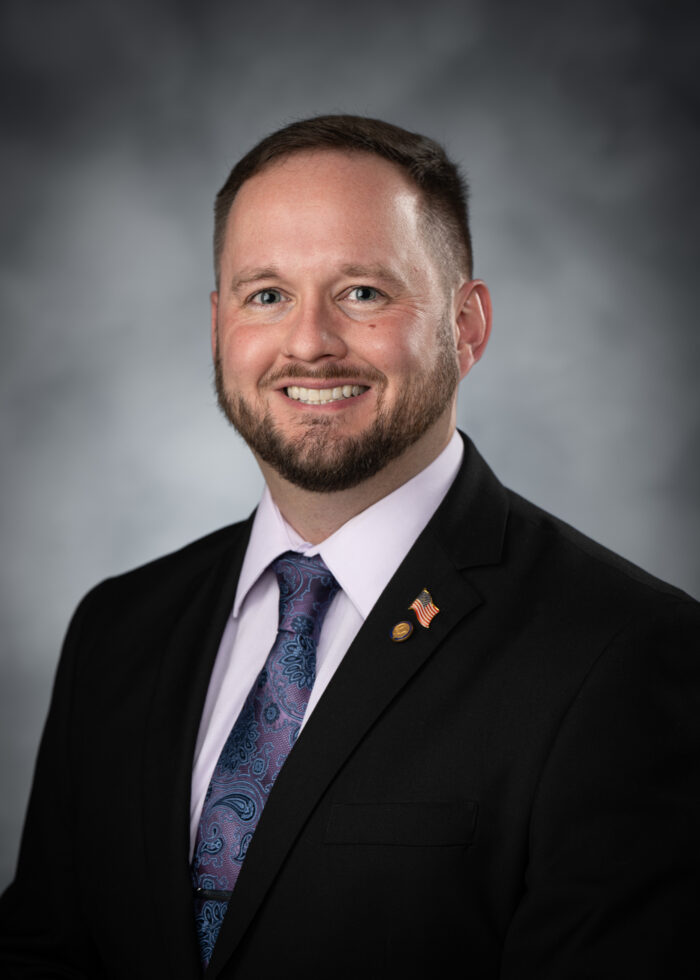
Pritt, pleaded with his colleagues to dispense with politics and take up the bill directly.
“We have a moment to do something to protect children that are in harm’s way. That is a fact, and I’m very sorry if that fact is very uncomfortable for some of you to deal with. Okay, just because it’s uncomfortable does not mean it’s not true,” he said. “I’m pleading with you. I am pleading with you to please reject these amendments as quickly as we can so we can send this bill back to the Senate and it can go downstairs for his signature.”
Del. Adam Burkhammer, R-Lewis, presented the only amendment that succeeded on the House floor during Saturday night’s debate. His amendment requires superintendents to report suspected abuse directly to the Department of Human Services, a process that would trigger in-person investigation within 24 hours.
Saturday he had strong words for the bill then before the body, as well as for his colleagues.
“The law before you is not going to protect one single child. It will not function. It won’t .You’re trying to attack homeschoolers,” he said. “I don’t care what time it is, our job is to write good law, and we need to write good law, and we need to protect kids.This garbage of kicking this same bill around for the last four years, it didn’t pass because it’s bad law.”
Speaking to West Virginia Public Broadcasting this week he was more measured. He said that he has concerns with aspects of the law, including language about sharing investigation details with schools that he said could violate child privacy laws.
“It’s actually illegal to share that information in the chapter 49 confidentiality portion of child welfare, and there’s also some strict federal guidelines on the sharing of information when it pertains to a child, to a minor,” Burkhammer said. “That’s the main issue was it wasn’t ever going to function as I think folks envisioned. And then as well, it never required an investigation. My goal was, let’s make sure somebody goes out and checks on this, this child, not not a 10 day hold, not a 10 day window. Actually, somebody goes out and puts eyes on the child and does an investigation as well.”
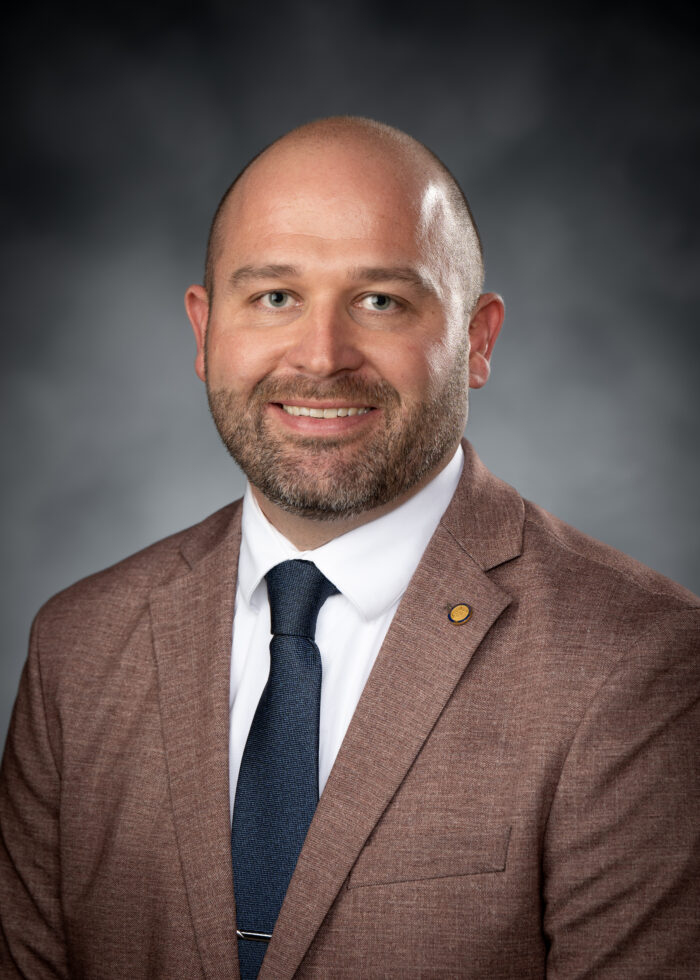
Burkhammer also questioned the language in the amendment that only names withdrawing children for home instruction.
“There’s a lot of other exemptions that are listed in chapter 18. I had concerns of, what about if they would use one of these other exemptions?” he said. “They could, they could again, fall through the cracks, and then also if they were relocating counties, which I believe is, in the case of Rayleigh Browning, they just moved to another county, and it slipped through the cracks. So I put in some language about transferring or withdrawing.”
He reiterated that pushing the same language over and over again has not worked, and this year was no different from others.
“This bill just seems to kind of get caught up in the emotion of it, and we don’t actually look at the finer details of it to say, ‘Here’s our goal, is protecting kids. How do we get there?’” Burkhammer said. And that’s what I think my amendment does, is it gets us there, but you’ve got to take all the emotion out of it.”
Burkhammer also claimed he was not a part of a concerted effort to kill or delay the bill, and was only aware of his own amendment going into the last-minute floor discussions.
Despite the intense discussion HB 5537 – with Burkhammer’s amendment – did pass the House of Delegates on a vote of 94 to 1 at 11:57 p.m., with no time for the Senate to concur.
Grady called the last-minute amendments a form of filibustering both to kill the bill but also to potentially avoid an up and down vote on the issue that would show legislators voting against legislation with public support.
“If people feel a certain way, I feel like you need to be able to defend your stance if it’s on the board and your name lights up. Defend your stance. If it’s on the board and your name is read, defend your stance,” she said. “It shouldn’t change from behind closed doors to out in public. And if somebody’s stance changes because they’re in public versus behind closed doors, then that’s a concern in your in itself, you know, because that’s somebody who’s not being truly honest with the voters.
Burkhammer and Grady both lamented that the debate over Raylee’s law ultimately left no time for the House to take up other bills that could have helped children.
“That’s always the frustrating part about this,” he said. “I don’t want it to overshadow anything of this bill and the importance of protecting kids, but it is always unfortunate. A lot of people do a lot of hard work that the clock runs out on.”
Burkhammer’s own House Bill 4603 – which would allow judges in abuse and neglect cases to expedite the guardianship process – was waiting for the House to concur when the gavel was struck to adjourn sine die.
Similarly House Bill 5453, which Grady worked on extensively as chair of the Senate Education Committee and would have increased state funding for special education students, also died waiting for the House to concur.
Grady said she was very disappointed in how this session ended because there were a lot of things she felt the legislature had the ability to address, and didn’t. She said school funding was top of that list.
“In the last two days, we didn’t really prioritize those kinds of things that we really wanted to get out first before we had bills that we knew would have a lot of floor debate on them,” she said. “We lost a lot of bills and we ran out of time on a lot of things that were important to people, important to members of the legislature as well.”
Looking forward, Grady said she was ready to collaborate with the law’s critics to ensure a positive solution is reached for West Virginia’s children. She specifically noted her willingness to work with Burkhammer.
“That’s one person I would really like to sit down and talk to about what we can do to make sure that everybody’s concerns are taken care of,” she said. “That’s the glorious thing about being legislators, is we need to be able to see things from others perspectives and fix the issue so that everybody can be happy with it.”
For his part, Burkhammer also expressed interest in reaching across the aisle to pass good law to protect the state’s children.
“I think we’re at a place that we can all agree, either in a special session or coming up in a 2027 session, there is a process and a plan forward,” he said. “Ive already been on the phone talking with folks, ensuring that we’re going to be ready to roll out.”
Both lawmakers say they are committed to revisiting Raylee’s Law and the broader issues of child welfare the first chance they get.
Add WVPB as a preferred source on Google to see more from our team

Ace Parsi shared his perspective on the war in Iran as an Iranian American.
Continue Reading Take Me to More NewsWith the war in Iran now in its second month, many questions remain about the motivations for and the objectives of the conflict. Ace Parsi’s family left Iran for the U.S. because of the Iran-Iraq war of the 1980s. He shared his perspective on the situation with reporter Chris Schulz.
Continue Reading Take Me to More NewsThe number of cases of Lyme disease have risen sharply in recent years, along with other tick-borne illnesses.
Continue Reading Take Me to More NewsWith an election looming in less than a month, campaign signs are filling yards, common space and medians.
Continue Reading Take Me to More News