What was originally scheduled to be six days of testimony and cross examination before the West Virginia Public Service Commission (PSC) ended two days early on Thursday.
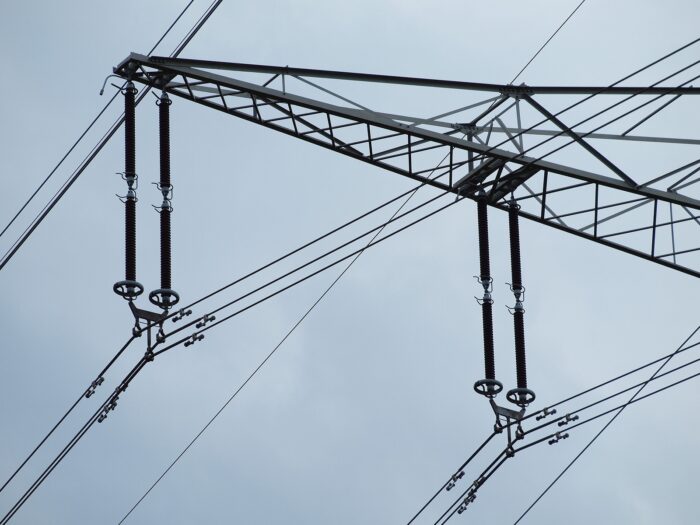
Developer NextEra Energy applied Jan. 30 to construct a new 107.5-mile-long transmission line known as the MidAtlantic Resiliency Link from Pennsylvania through West Virginia to Virginia. Public comment sessions were held in all four of the affected counties of Monongalia, Preston, Mineral and Hampshire in June.
Anthony Campbell is president of West Virginians Against Transmission Injustice (WATI), a grassroots organization that has helped organize much of the formal opposition to the transmission line from affected landowners. He previously told West Virginia Public Broadcasting that the group is opposed to the transmission line because it will negatively impact West Virginians.
“How it’s set up is that everybody in West Virginia is gonna end up paying for it, even though we don’t get the benefit,” Campbell said in April. “So we don’t get electricity, and we sure the hell don’t get tax revenue out of it. So our opposition is that, and plus, it’s impacting people’s farms.”
The hearings allowed the commissioners, developer NextEra and intervenors – individuals who applied to be legal participants in the case – to question each other about their pre-filed testimony on the transmission line. Campbell said part of the reason the process went faster than expected was because NextEra declined to question almost any private intervenors, and the PSC accepted their written testimony.
“‘I’m a novice to this. Theoretically I knew the process, but actually being part of it actually was reassuring to see the scrutiny that NextEra was put under,” he said. ” I thought the commissioners did a great job. Chairman Lane and Commissioner Rainey asked some incredibly tough questions.”
In a post on WATI’s Facebook page Friday, Campbell praised the group’s members for not only showing up, but for their involvement in the proceedings.
“In many instances, individual intervenors asked more questions than the assembled legal teams,” he wrote. “They came prepared, asked thoughtful and challenging questions, and brought something to these proceedings that no technical report or corporate presentation could fully capture: the real human impact of this project on West Virginia families, farms, homes, and communities.”
Campbell was also cross-examined for over an hour Thursday and said he left the hearings feeling optimistic.
“I don’t think we could be in a better position than we are right now,” he said. “Obviously, you can’t predict what the commission is going to do, but I think the commissioners asked really great questions of Nextera and PJM.”
The commission has set March 6, 2027 as the due date for their decision.