


Harrison County Voters To Consider New, Unique Levy Aimed At Historical Preservation
The levy would provide at least $100,000 for the next four years to 13 historic preservation organizations across the county.
Continue Reading Take Me to More NewsAlert (09/29/2026): Our Parkersburg TV transmitter is still undergoing maintenance and remains temporarily inoperative. We apologize for the inconvenience.
All our programming is available via our TV livestreams on our website and WVPB Passport. Thank you for your patience!




Mountain Readers 2026 has concluded! Please fill out our volunteer post-survey.

On Demand

On Demand

Stream original productions from WVPB

Watch locally produced documentaries & more.

On Demand

On Demand






West Virginia Morning

Inside Appalachia

West Virginia Week

Mountain Stage

Us & Them

The Legislature Today

The Legislature This Week
The levy would provide at least $100,000 for the next four years to 13 historic preservation organizations across the county.
Continue Reading Take Me to More News
Send us your comments and questions.

Stream our board meetings.

Check out the latest WVPB news.

Sign up for our newsletter and get weekly updates.

Meet the WVPB staff.

WV Educational Broadcasting Commission, the WVPB Foundation, and the Friends of WVPB.

Come work with us!

Read our annual report and learn how we educate, inform and inspire with your support.

Sponsor impactful and engaging media and entertainment.

Use your IRA to make a gift to WVPB.

Become a member with your gift of $1,000 or more.

Make WVPB part of your legacy.

Manage your membership account.

Learn how you can Protect and Sustain West Virginia Public Broadcasting.
Home » WVPB Podcasts » Us & Them: What We Hide — Examining The Collateral Damage Of Addiction
Trey Kay Published
For a decade or more, West Virginia has been at the center of America’s opioid epidemic and overdose death toll.
There is encouraging news as the state’s overdose deaths have fallen dramatically. In the past year, state officials report a nearly 38 percent drop in overdose deaths. But addiction remains the most common reason for West Virginia children to be taken from their families.
In this episode of Us & Them, host Trey Kay talks with a filmmaker whose recent movie What We Hide focuses on the collateral damage of addiction on children. And as part of a WVU training symposium, Kay hears from professionals who work with people affected by addiction about the cost on our medical system, social service networks and child protection workers.
This episode of Us & Them is presented with support from the CRC Foundation.
Subscribe to Us & Them on Apple Podcasts, YouTube Music, Spotify, the NPR app and wherever you get your podcasts.
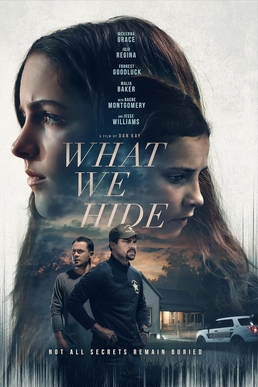
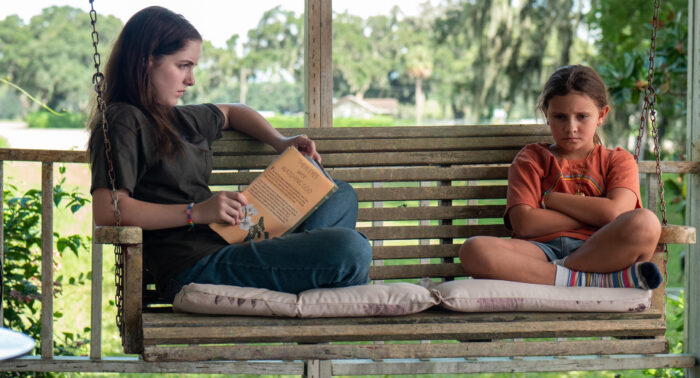
Dan Kay’s film What We Hide follows two sisters who hide their mother’s overdose death because they fear being separated by the foster care system. The film stars McKenna Grace and Jojo Regina and explores the collateral damage addiction can leave behind for children and families.
Learn more about What We Hide and find viewing options through the film’s official website.
View the trailer for What We Hide.
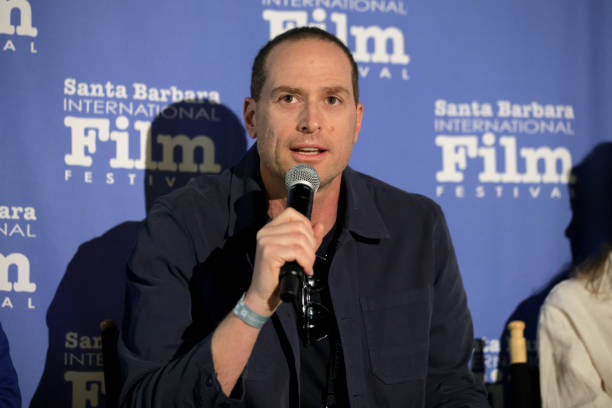
“I’d been interested in the subject of addiction, but even more specifically, I was very interested in collateral damage caused by addiction. I felt that there had been some terrific films and plays and articles and books that are focused on the addict’s experience, which is very valuable. But I didn’t think there’d been much where, particularly in film, where we were exploring what is left in the addict’s wake? [For the] family, friends? What is that existence like? And I don’t remember if it was a podcast or an article, but I heard the term ‘opioid orphans,’ and it all just kind of clicked for me. I just thought that would be a really interesting place to explore this idea of the collateral damage caused by addiction.”
— Dan Kay, writer and filmmaker
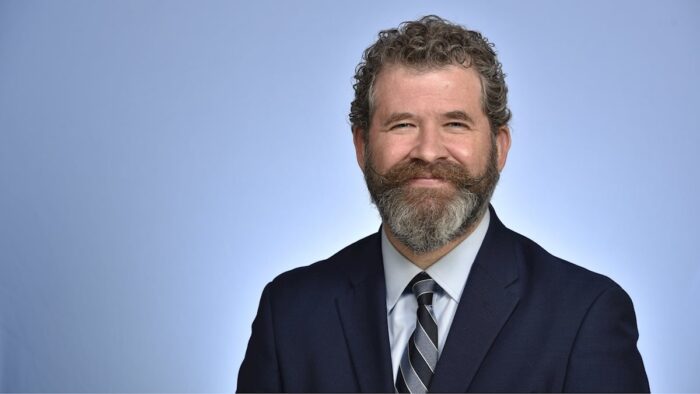
“Something that was said to me a few years ago that I thought was very helpful is we should actually twist things a little bit and focus less on stigma reduction, and really focus more on empathy cultivation. And I think that’s what this film does, is it’s really helping cultivate empathy. Again, I can try to educate everybody I possibly can about the science of addiction and what’s happening with the brain and through these processes that keep people doing things that they know are wrong. But to be able to tell a story the way that Dan told this story, that is empathy cultivation. Whereas if I just try to educate I’m trying to reduce stigma by giving them education and I think this is so much more powerful.”
— Dr. James Berry
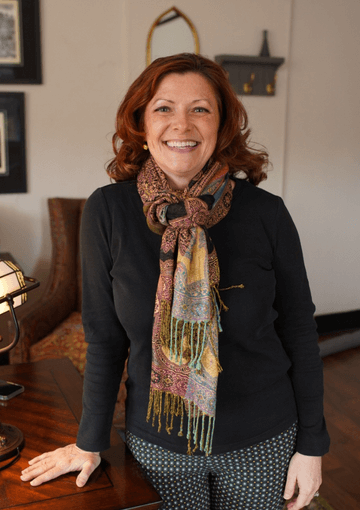
“There’s so many things that stood out for me as a clinician but you know as on the topic of trust, it wasn’t just in the system where trust was broken, right? I mean when you think about our primary people, you know, whether it’s our parents or grandparents or aunts and uncles that raise us, like trust is central to that, right, and trust was broken, particularly for Spider … And so when I think about how, like from top to bottom, it wasn’t just the system that they couldn’t trust. It was their mom too, right. And so, when I think of it from a trauma perspective, you know for me, trauma is not what happens. It’s how it changes our brain. So trauma is a brain change and it’s a disruption in the nervous system.”
— Dolly Sullivan
Add WVPB as a preferred source on Google to see more from our team

The changing colors of the leaves and the dropping temperatures of fall bring with them calls to get vaccinated against the flu. But in recent years, that call to action has expanded. We talk with Dr. Brian Huggins, Monongalia County health officer and medical director, about when to get vaccinated.
Continue Reading Take Me to More NewsIt’s not often that we associate West Virginia's obesity rates with good news – but data released last month from the nonprofit Trust for America's Health finds West Virginia is one of just two states nationwide to show a significant drop in adult obesity rates. We find out what's causing the decline – and whether it's likely to continue.
Continue Reading Take Me to More NewsOn this West Virginia Week, a mine operation in Kanawha County gets a WARN Notice, three Wyoming County Schools will remain closed until next week, and we learn the origins of the Flatwoods Monster.
Continue Reading Take Me to More NewsThis week, Barbara Kingsolver’s new novel takes on issues of class and classical music. Also, kudzu warriors band together to fend off invasive plants and take back the land. And, it’s pawpaw season, but a new bug could be harming the trees.
Continue Reading Take Me to More News