Alert (09/10/2026): Our Parkersburg TV transmitter is undergoing maintenance for a few days and will not be operational. We apologize for any inconvenience.
All our programming is available via our TV livestreams on our website and WVPB Passport. Thank you for your patience!
This week, one thing about Appalachians: we can get competitive. We’re proud of our local food. Love a good hunt. And enjoy competition with friends. We learn the rules and celebrate our victories. You'll hear these stories and more this week, Inside Appalachia.
West Virginia often ends up at the bottom of national health reports — the rates of obesity and diabetes, conditions that can lead to cardiac and kidney disease. The region’s legacy of active, manual mining work has given way to a more sedentary lifestyle that relies on processed food to feed families quickly and cheaply.
More than a decade ago, Huntington, West Virginia made headlines as the “fattest city in the nation.” That spotlight led to some changes with doctors and dieticians focusing more on health and nutrition.
On this episode of Us & Them, host Trey Kay looks at continuing efforts around the Mountain State to teach new dietary habits and train the next generation a healthy approach to cooking and eating. In some counties without close access to full-service grocery stores, new farmer’s markets have sprung up and health clinics offer produce boxes with fresh fruits and vegetables.
This episode of Us & Them is presented with support from the West Virginia Humanities Council and the CRC Foundation.
Subscribe to Us & Them on Apple Podcasts, NPR One, RadioPublic, Spotify, Stitcher and beyond.
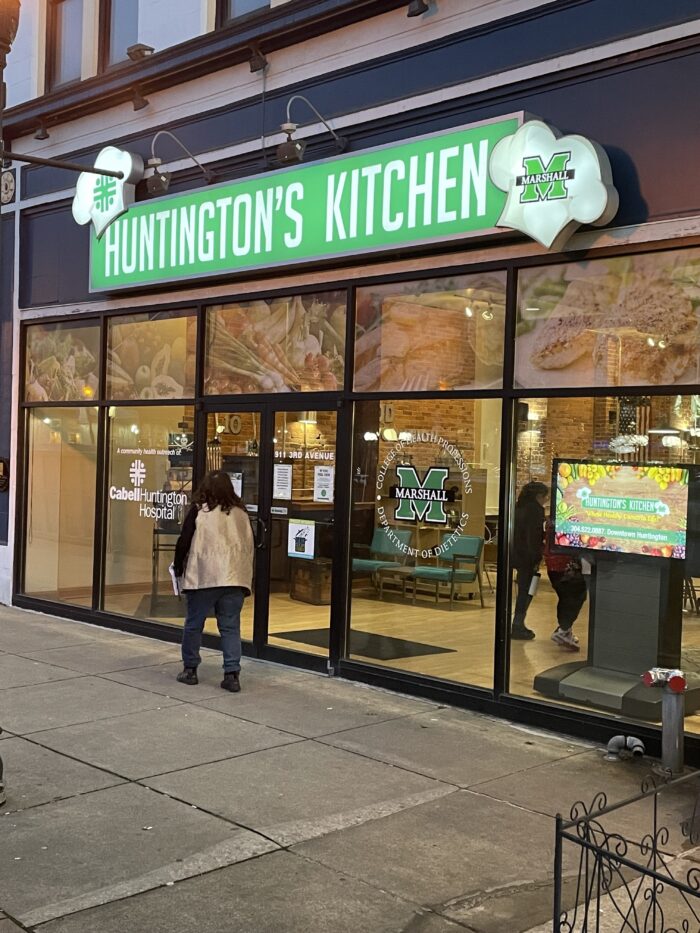
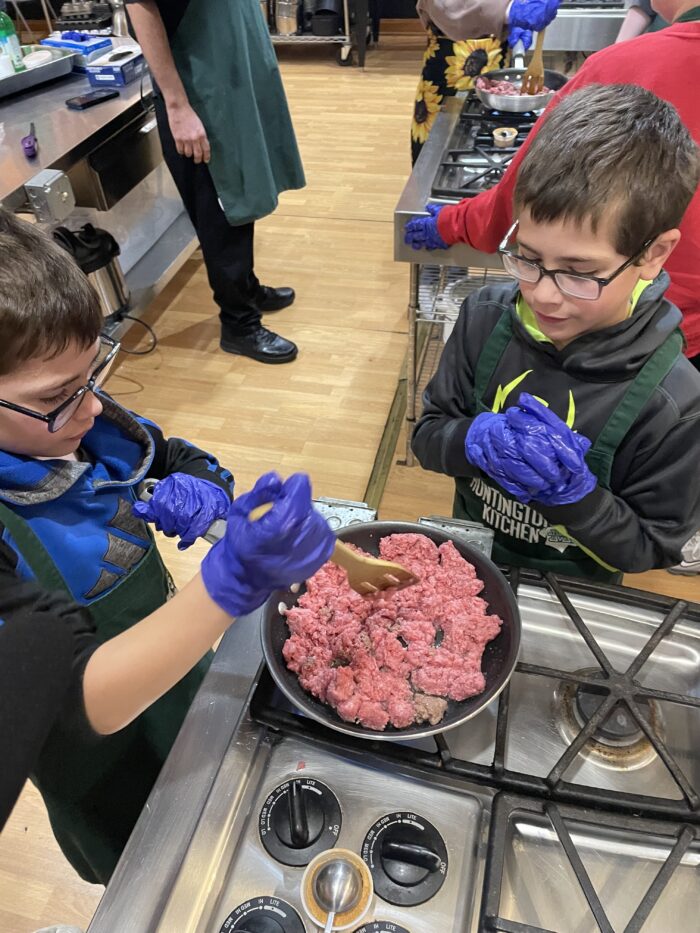
Back in 2010, TV Chef Jamie Oliver brought his “Food Revolution” movement to Huntington, West Virginia. At the time, Huntington made headlines as the “fattest city in the nation.” Oliver started “Jamie’s Kitchen” in Huntington – a restaurant and demonstration kitchen in an effort to help teach locals how to cook healthy meals. Today, the place is now called “Huntington’s Kitchen,” and in 2013 Cabell Huntington Hospital took over management and oversight of the facility. Credit: Trey Kay/West Virginia Public BroadcastingTwin brothers Chris and Matt Lowe were at Huntington’s Kitchen recently for a “Taco Tuesday” cooking class. About a dozen families were learning how to prepare pico de gallo, guacamole, and ground beef for tacos. There were several families using healthy recipes to learn kitchen techniques. Credit: Trey Kay/West Virginia Public Broadcasting
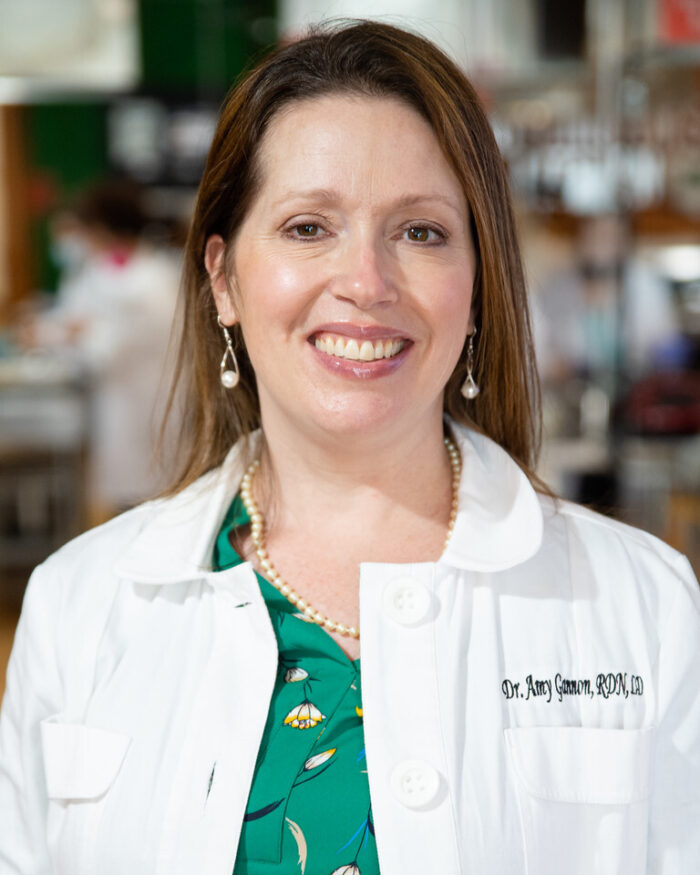
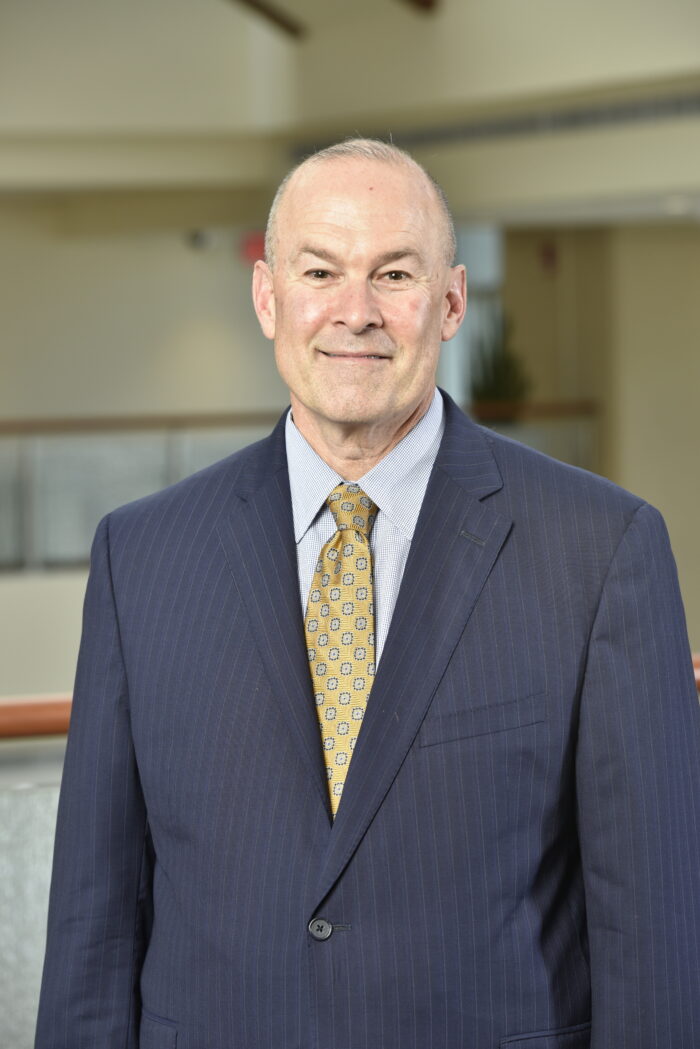
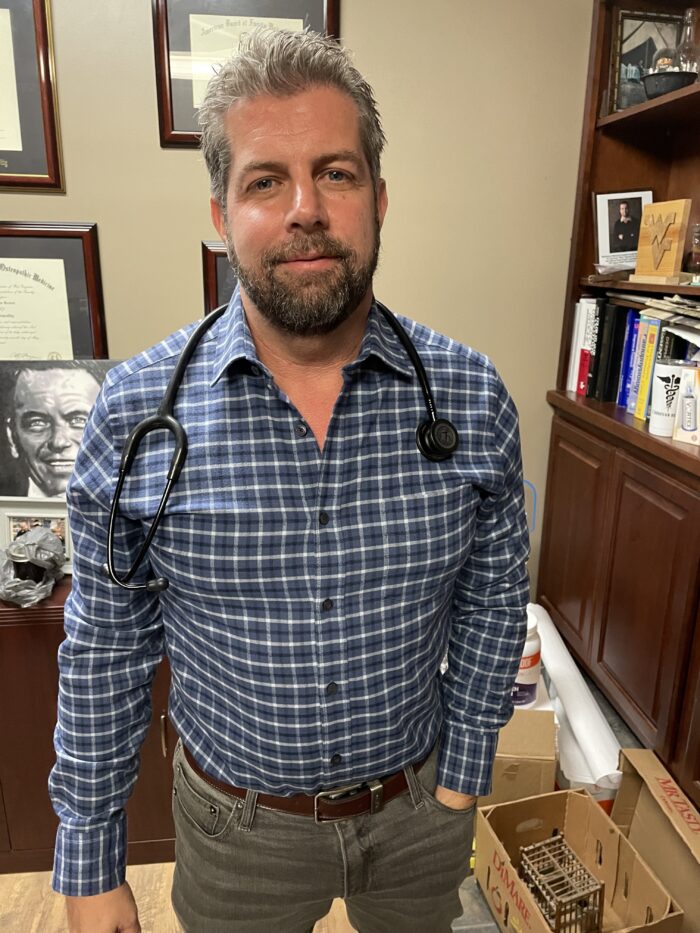
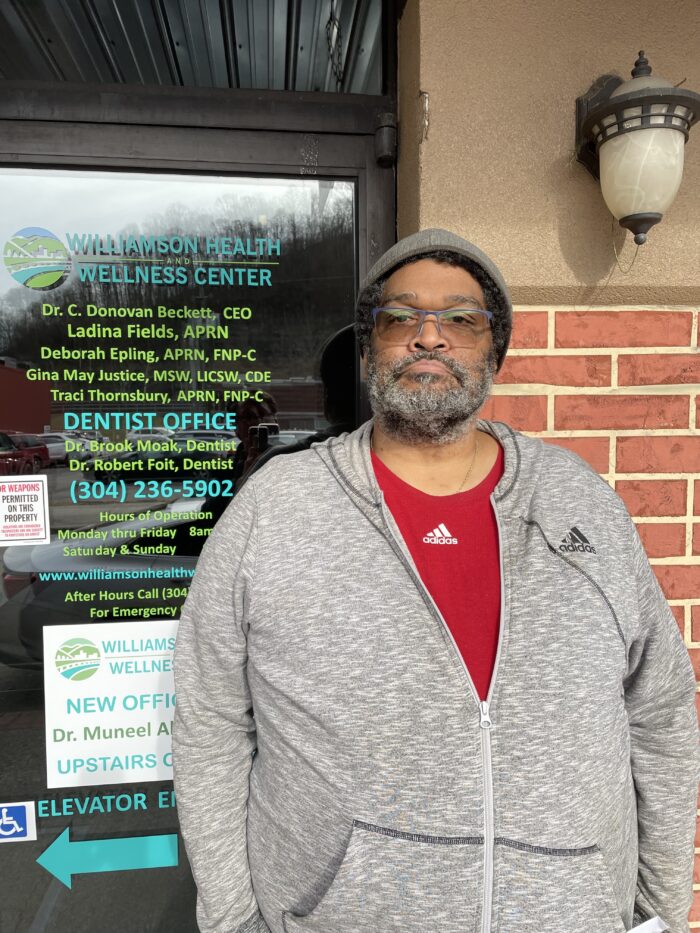
Amy Gannon is program director and professor with Marshall University’s Dietetics Department. For two decades, she’s watched the rise in obesity rates, as well as other factors that influence the health of West Virginians. Credit: Marshall UniversityDiet and nutrition are just the start of the things that play a role in our health. There are lots of social and economic factors as well. Dr. Clay Marsh is keenly aware of this. He’s been the chancellor and executive dean of the Health Sciences for West Virginia University since 2015. Marsh says we’ve learned a lot about the factors that drive West Virginia’s health outcomes. Credit: West Virginia UniversityDr. Dino Beckett is the CEO of Williamson Health and Wellness Center and a practicing family physician in Williamson, West Virginia. Beckett says one of the things the community needed to address was a lack of supermarkets and limited access to fresh foods in the area. Beckett says the region has high rates of diabetes. At the Williamson Health and Wellness Center, they offer health education for residents and they also offer produce boxes filled with fresh fruits and vegetables. Credit: Trey Kay/West Virginia Public BroadcastingCraig Warren who lives in Williamson, spent years eating his way to health problems. Warren was diagnosed with diabetes in his 20s, but says he was “young and stupid” and didn’t comply with what doctors told him. Warren is a single parent to two boys. While his focus was on taking care of his family, his health fell by the wayside. He had a stroke when he was 45. Credit: Trey Kay/West Virginia Public Broadcasting
Add WVPB as a preferred source on Google to see more from our team
This week, one thing about Appalachians: we can get competitive. We’re proud of our local food. Love a good hunt. And enjoy competition with friends. We learn the rules and celebrate our victories. You'll hear these stories and more this week, Inside Appalachia.
In southern Ohio, there’s a musical tradition that goes back nearly 1,000 years and 4,000 miles. For Inside Appalachia, Folkways Reporter Capri Cafaro has this story.
Kianoosh Nawai, an eighth grader at the West Virginia Virtual Academy, was the only West Virginia student chosen from close to 2,000 entrants from across the country for a national science competition.