This week, Hurricane Helene devastated central Appalachia and disrupted the lives of people in recovery. Also, in West Virginia, fur trapping continues, even in the 21st century. And, baseball is America’s past-time. One league is making the game more inclusive.
Home » WVPB Podcasts » Inside Appalachia's Broommaker Film Will Be Screened at Library of Congress
Published
Inside Appalachia's Broommaker Film Will Be Screened at Library of Congress
Listen
Share this Article
Eighty-seven year-old Jim Shaffer has had his hands busy since 1946. He is the last commercial broom-maker left in West Virginia. People from all over the country have come to see, and take home, some of Shaffer’s work.
A short film about Jim Shaffer is being screened at the American Folklife Center at the Library of Congress later this month at an event called “Reel Folk: Cultural Explorations on Film”. The video was produced earlier this year by Inside Appalachia, in collaboration with the West Virginia Folklife Program.
In this episode of Inside Appalachia, we listen back to Jim Shaffer’s story. We’ll hear other stories about Appalachian artisans and folklorists who say holding on to Appalachian traditions matter.
The Last W.Va. Broommaker
Shaffer has witnessed the craft industry in Appalachia change over the years, and he’s seen synthetic plastic brooms replace most of the handmade straw brooms that used to be fairly common.
“The broom industry is fading out. I suspect another five to seven years, you won’t see another straw broom in the store,” said Shaffer.
The event is taking place in the James Madison Building of the Library of Congress, on the 3rd floor, in the Pickford Theater. The screening is free and open to the public.
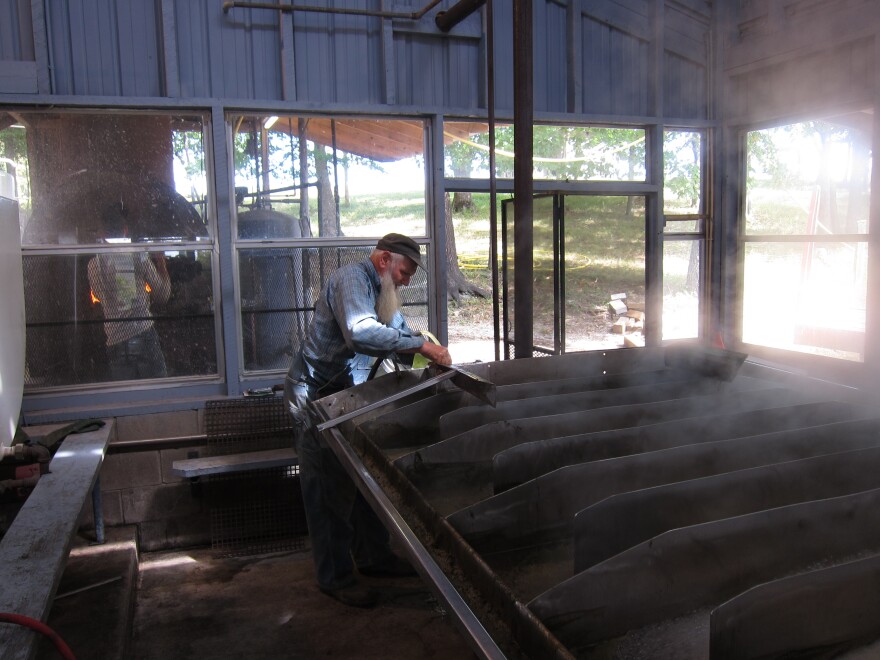
Sorghum Farming and How to Eat Sweet Sorghum Molasses
Credit Fred Sauceman
/
Sorghum making in Tennessee
Sorghum is a type of sweetener that has a long tradition of being grown throughout Appalachia. We’ll travel to Muddy Farm Tennessee, where the Guenther family grows and produces sorghum. The family is featured in a film called, “Sunlight Makes it Sweeter: A Story of Sorghum,” directed and written by WETS’s Fred Sauceman.
The Struggle to Stay
Credit Reid Frazier
/
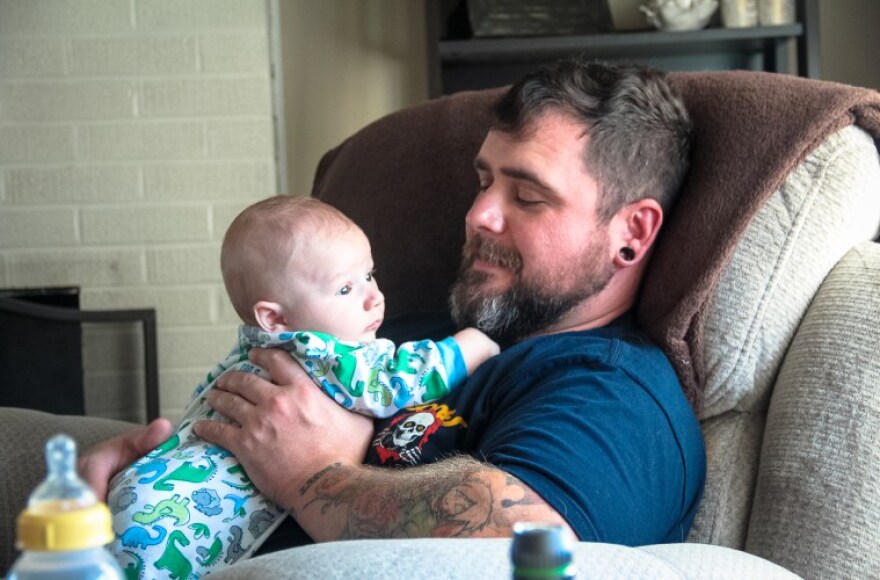
Over the past few weeks, we’ve met Dave Hathaway, his wife, and his new baby Deacon. We’ve shared in their struggles with money and job hunting. At this point he’s gotten used to his new role as a stay at home father. While they’re still worried about money, Dave enjoys spending time with his baby son. But what would happen if he got offered a job out of state, away from his family and away from his home? Find out this week on our ongoing series The Struggle to Stay.
We’d love to hear from you. You can e-mail us at feedback@wvpublic.org. Find us on Twitter @InAppalachia. Inside Appalachia is produced by Jessica Lilly and Roxy Todd. Patrick Stephens is our audio mixer. Suzanne Higgins and Glynis Board edited this episode. Jesse Wright is our executive producer.
We had help producing Inside Appalachia this week from the West Virginia Folklife Program, a project of the West Virginia Humanities Council, and WETS in Johnson City, TN.
Music in this episode was provided by Dinosaur Burps, Dick Spain, Robert Johnson, Ben Townsend, Podington Bear and Teresa Brewer. Our What’s in a Name theme music is by Marteka and William with “Johnson Ridge Special” from their Album Songs of a Tradition.
Add WVPB as a preferred source on Google to see more from our team
At least one primary election race is headed for a recount. Also, an independent audit finds a critical deficit that could affect struggling families. And, the termination of a federal grant program for first time farmers is leaving some growers – and communities – in a bind.
This week, Hurricane Helene devastated central Appalachia and disrupted the lives of people in recovery. Also, in West Virginia, fur trapping continues, even in the 21st century. And, baseball is America’s past-time. One league is making the game more inclusive.
It’s been a year-and-a-half since Hurricane Helene ravaged central Appalachia. Communities are still recovering, including those who were already in recovery for addiction.
A small federal grant program aimed at increasing first-time farmer’s access to land, training and tools was finding fertile ground in West Virginia. But in March, the Trump administration suddenly terminated it, leaving local partners uncertain about their futures.