This week, ballads tell stories about all kinds of real-life events, but after Hurricane Helene, one group of ballad singers felt some topics were still too raw. Also, the author of a new book on ancient Ohio credits a former grad student with introducing him to the region’s mysterious earthworks. And, the legacy of Affrilachian poet Norman Jordan includes a summer camp for teens to study their heritage.
Home » WVPB Podcasts » How JellO Marked New Era in Rural Appalachia & What's up with this Mason Jar Trend?
Published
How JellO Marked New Era in Rural Appalachia & What's up with this Mason Jar Trend?
Listen
Share this Article
There are a lot of things that can make you feel connected to home or your childhood, and many of those memories are probably filled with food and family kitchenware.
We’ve talked before about Appalachian food turning heads in the hipster community. There was even an article in the Washington Post that called Appalachian cuisine the “next big thing” in regional cooking. And c’mon, there’s nothing like using one of granny’s recipes for green beans, biscuits or fried chicken.
On this week’s episode of Inside Appalachia, we’re talking about things you’re likely to find on a supper table in Appalachia — Jell-O and mason jars.
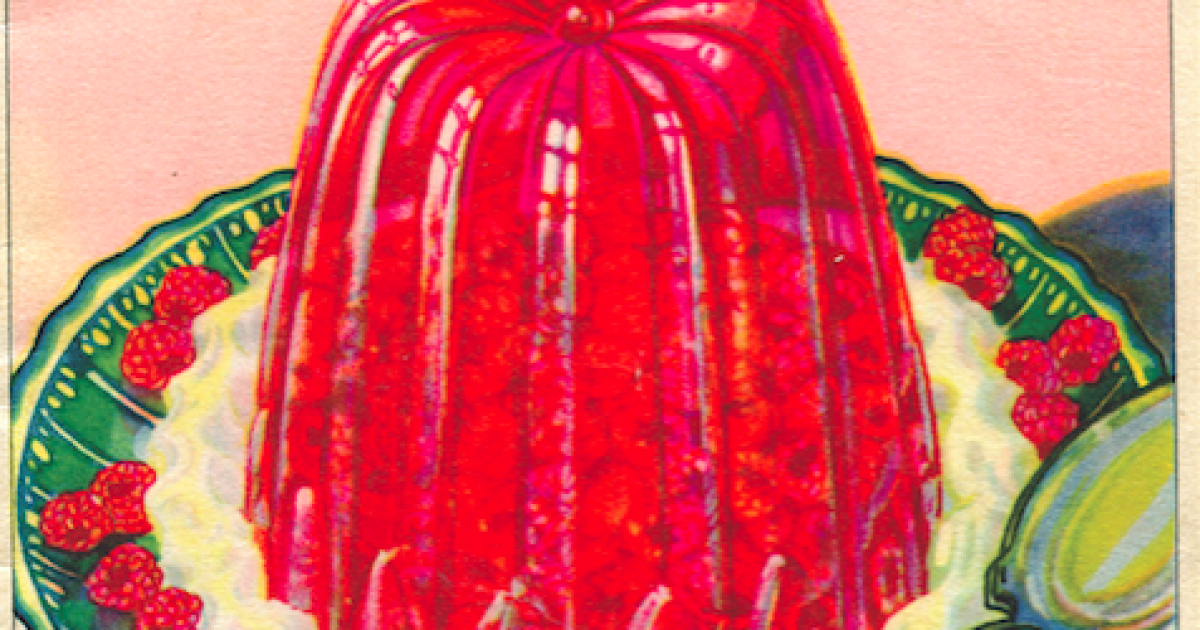
Jell-O could seem like a trivial food. It’s brightly colored, vibrantly orange, electric green or unsettling blue, nutritionally void, and, hey, it jiggles. But in Appalachia, Jell-O marked a transformation in the lives of rural residents.
What can Jell-O tell us about changes to life on the farm in the 1950s Appalachia? Kentucky writer Lora Smith takes us to Kentucky, Ohio and West Virginia to find out.
Cultural Politics of Mason Jar Hipness
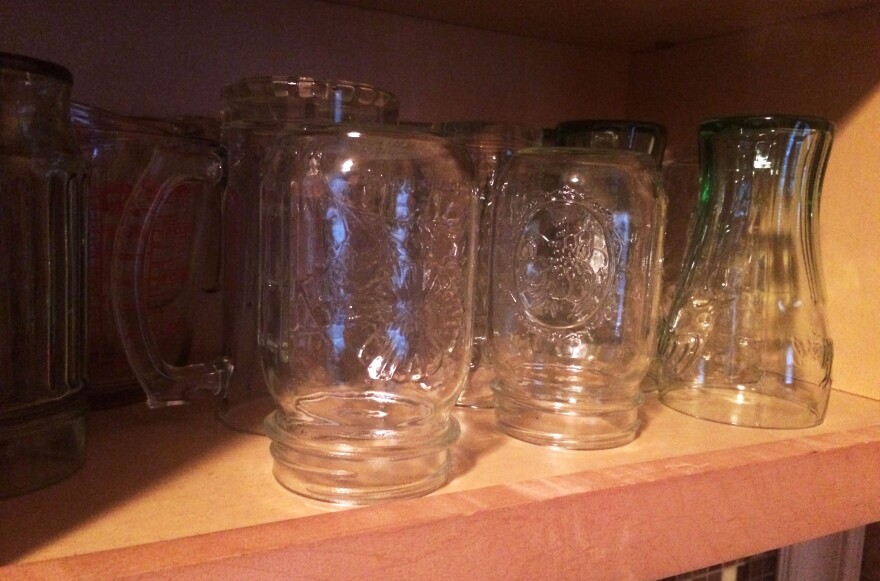
These days, mason jars are everywhere: in your fancy cocktail bar and your down home country restaurant, in the hands of farmer’s market shoppers and 7-Eleven Slurpee drinkers. How did they come to be embraced by the DIY canner, and the hipster brewery and restaurant? Gabe Bullard takes on the cultural politics of the mason jar: how it became hip, and what that hipness means.
Credit Jessica Lilly
/
“Mason Jars” are glass containers that your grandparents probably used to preserve food that often ended up in in the cupboard with the rest of the drinking glasses.
We had help producing Inside Appalachia this week from the podcast GRAVY, which is produced by The Southern Foodway Alliance.
Music in today’s show was provided by Dinosaur Burps, Andy Agnew Jr., Ben Townsend, Jake Schepps, Driftwood Soldier, Blue dot sessions, Poddington Bear, Lashe Swing and Weenland, and Computer vs banjo for Diagram Collective. Gravy’s theme music is by Wendle Patrick.
We’d love to hear from you. You can e-mail us at feedback@wvpublic.org. Find us on Twitter @InAppalachia or @JessicaYLilly.
Add WVPB as a preferred source on Google to see more from our team
An heir files suit to keep his community hospital open, disparities in the distribution of school choice vouchers, and a West Virginia lawmaker is among those targeted in White House UFC fight plot.
This week, ballads tell stories about all kinds of real-life events, but after Hurricane Helene, one group of ballad singers felt some topics were still too raw. Also, the author of a new book on ancient Ohio credits a former grad student with introducing him to the region’s mysterious earthworks. And, the legacy of Affrilachian poet Norman Jordan includes a summer camp for teens to study their heritage.
Indigenous people created hundreds of earthen monuments in what is now Ohio, Kentucky and West Virginia. John E. Hancock, a professor of architecture and design at the University of Cincinnati, spent years studying these earthworks. He published a guidebook for visiting them. Inside Appalachia’s Bill Lynch spoke with Hancock about the book.
On this West Virginia Morning, State Sen. Ryan Weld has written a history of Wellsburg through a unique lens -- he focused on 14 homes in the town and the people who lived in them.