


‘Coolest Thing’ Contest Is Down To The Final Five
After more than 3,200 votes cast, the “Coolest Thing Made In WV” competition is down to five finalists.
Continue Reading Take Me to More NewsAlert (09/10/2026): Our Parkersburg TV transmitter is undergoing maintenance for a few days and will not be operational. We apologize for any inconvenience.
All our programming is available via our TV livestreams on our website and WVPB Passport. Thank you for your patience!




To Educate, Inform, and Inspire by Telling West Virginia's Story
Mountain Readers Week will be held Oct. 5-9, 2026! Sign up to read in your community!
Learn more about Be My Neighbor Day! And check out our recap from last year.

On Demand

On Demand

Stream original productions from WVPB

Watch locally produced documentaries & more.

On Demand

On Demand






West Virginia Morning

Inside Appalachia

West Virginia Week

Mountain Stage

Us & Them

The Legislature Today

The Legislature This Week

Send us your comments and questions.

Stream our board meetings.

Check out the latest WVPB news.

Sign up for our newsletter and get weekly updates.

Meet the WVPB staff.

WV Educational Broadcasting Commission, the WVPB Foundation, and the Friends of WVPB.

Come work with us!

Read our annual report and learn how we educate, inform and inspire with your support.

Sponsor impactful and engaging media and entertainment.

Use your IRA to make a gift to WVPB.

Become a member with your gift of $1,000 or more.

Make WVPB part of your legacy.

Manage your membership account.

Learn how you can Protect and Sustain West Virginia Public Broadcasting.
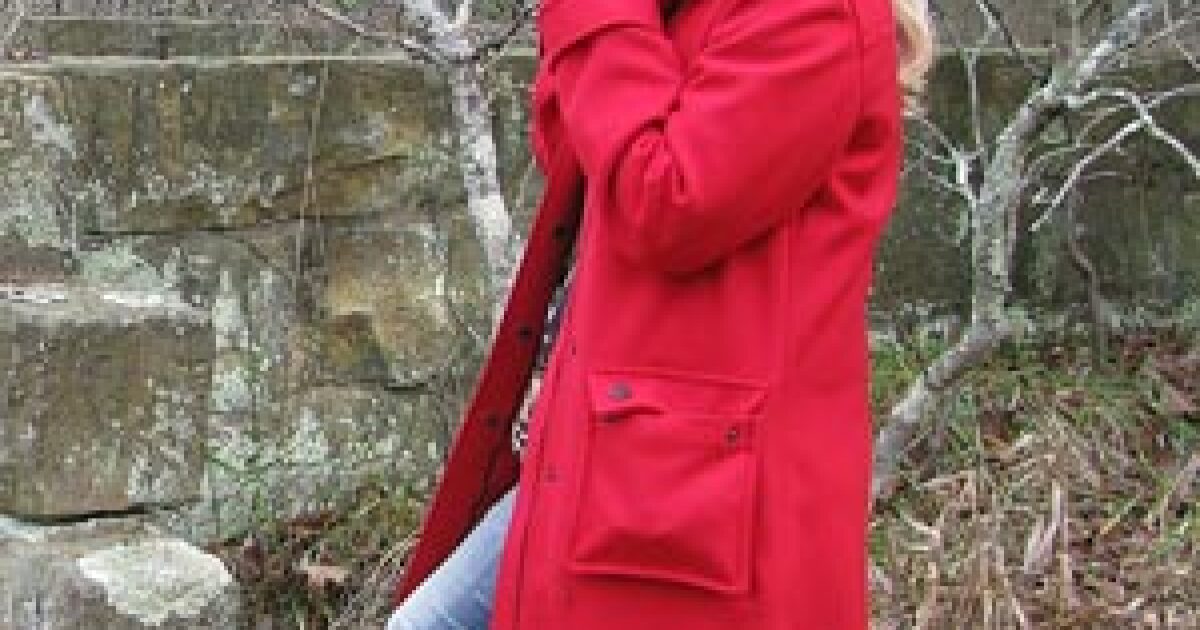
This week on Inside Appalachia, we’ll hear from women who overcame a lot of challenges to succeed as students, musicians, entrepreneurs and educators.
This week, we’ll hear from:
Dr. Ollie Watts Davis: Once Mrs. Fleming’s student, Davis has had a very successful classical music career. She received a DMA in music from the University of Illinois, and she’s performed all over the world. When she made her debut at Carnegie Hall in 1990, Mrs. Fleming traveled to New York to see it.
Dr. Kendra Boggess: From scrubbing floors at her parents’ business in Florida to a University president in West Virginia, Boggess doesn’t have your typical higher education background.
Judy Sheppard: The leader of a successful business based in her home state. Sheppard grew up with what she calls “nothing” – no electricity, no running water, no telephone, no television, and no toys.
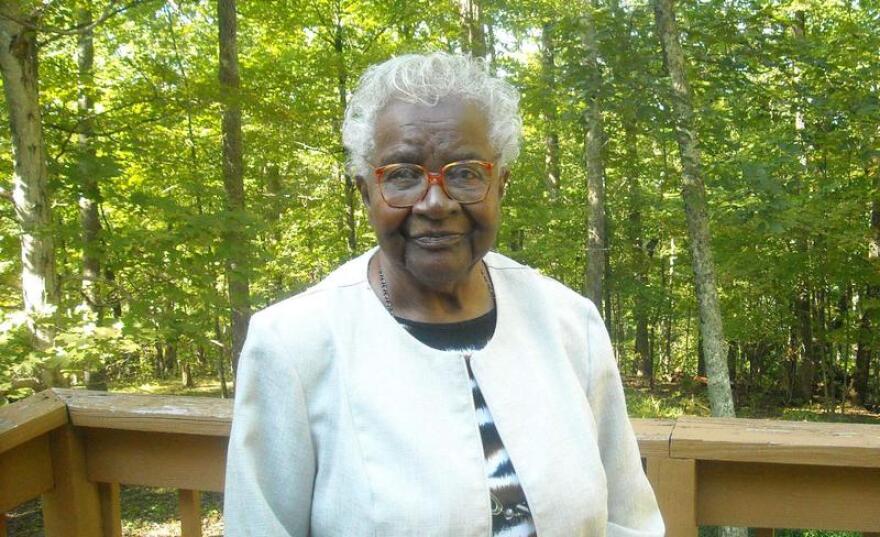
How did Mt. Hope, West Virginia get its name?
If you have another story about Mt. Hope, or know of another place in Appalachia with an interesting sound or mysterious folklore behind it, send us a tweet @InAppalachia #WhatsinaName.
Music in today’s show was provided by Darlingside, with “God of Loss”as heard on Mountain Stage, Ben Townsend, Ollie Watts Davis, Ethel Caffie Austin, Jake Schepps and Dolly Parton. Our What’s in a Name theme music is by Marteka and William.
We’d love to hear from you. You can e-mail us at feedback@wvpublic.org. Find us on Twitter @InAppalachia or @JessicaYLilly. Inside Appalachia is produced by Roxy Todd and Jessica Lilly. Our editor is Catherine Winter.
Add WVPB as a preferred source on Google to see more from our team

In recent years, physicians across the country have monitored surges of a condition known as Alpha-Gal Syndrome, which can cause allergic reactions to red meat. Hannah Saad with Appalachia + Mid-South Newsroom member station WKMS reports that, now, farmers, restaurateurs and the afflicted are flocking to a new source of protein.
Continue Reading Take Me to More NewsOn this West Virginia Week, the coal industry gets a lifeline, the U.S. Secretary of Education comes to Cabell County, and WMUL wins a Murrow – again.
Continue Reading Take Me to More NewsThis week, one thing about Appalachians: we can get competitive. We’re proud of our local food. Love a good hunt. And enjoy competition with friends. We learn the rules and celebrate our victories. You'll hear these stories and more this week, Inside Appalachia.
Continue Reading Take Me to More NewsIn southern Ohio, there’s a musical tradition that goes back nearly 1,000 years and 4,000 miles. For Inside Appalachia, Folkways Reporter Capri Cafaro has this story.
Continue Reading Take Me to More News