West Virginia is the third most forested state in the country. The fall foliage projection map, a collaboration between the West Virginia Department of Tourism and the Division of Forestry, promotes the best places in West Virginia to see changing fall colors.
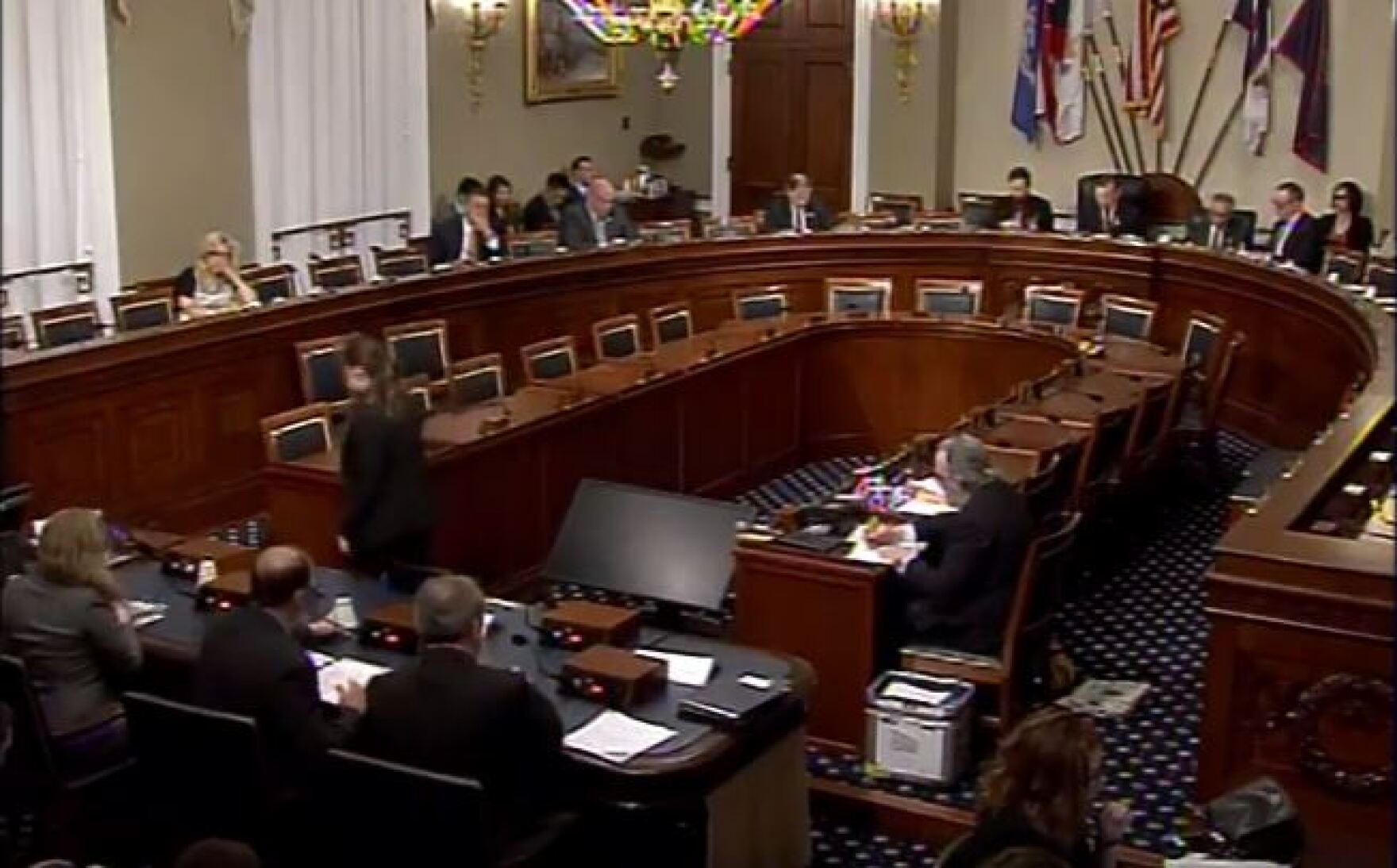
Professionals and experts from Kentucky, West Virginia and Montana testified in Washington, D.C., today about a bill designed to diversify economies in coal regions.
The hearing focused on the Revitalizing the Economy of Coal Communities by Leveraging Local Activities and Investing More Act of 2017 – also known as the RECLAIM Act.
Questions ranged from how abandoned mine land funds are distributed and used now, to the potential economic impact of those funds becoming more readily accessible.
The U.S. House Natural Resources subcommittee heard from Fritz Boettner, of Morgantown-based environmental and economic consulting firm Downstream Strategies.
“The RECLAIM Act of 2017 is intended to do two things: accelerate reclamation of abandoned mine land by dispersing $1 billion of Abandoned Mine Land funds to states and tribes, and to leverage increased mine reclamation projects to increase long term economic business on reclaimed mines,” Boettner explained. He went on to say the bill needs adjustments to better incentivize economic growth.
The bill would speed up spending from a fund established decades ago to restore abandoned coal mining land. A $1 billion would be released over five years to spur economic diversification -- especially in areas that have lost coal jobs.
Add WVPB as a preferred source on Google to see more from our team
Three organizations have submitted letters supporting a PSC staff report submitted Aug. 19 that recommends the application for the MARL transmission line be delayed or dismissed.
One of the world’s rarest plants, the Peters Mountain Mallow, lives on only one mountainside, in the New River Valley along the West Virginia line. Last year, scientists counted just five plants still alive – and the recent drought means protecting it from extinction is getting tougher.
As data center proposals spring up in communities across Kentucky, residents want more answers about their would-be neighbors from developers and their own public officials.
As developers rapidly propose data centers across Kentucky, their neighbors are struggling to find out what it will mean for them. For the Appalachia + Mid-South Newsroom, Sylvia Goodman reports that residents are calling for more transparency from developers and their own public officials.