In the North Carolina foothills, a common dessert in the fall is a sonker. Folkways Reporter Amanda Goins first heard that name when she moved to Surry County, North Carolina. She got curious and shares what she learned about this local dessert whose history goes back centuries.
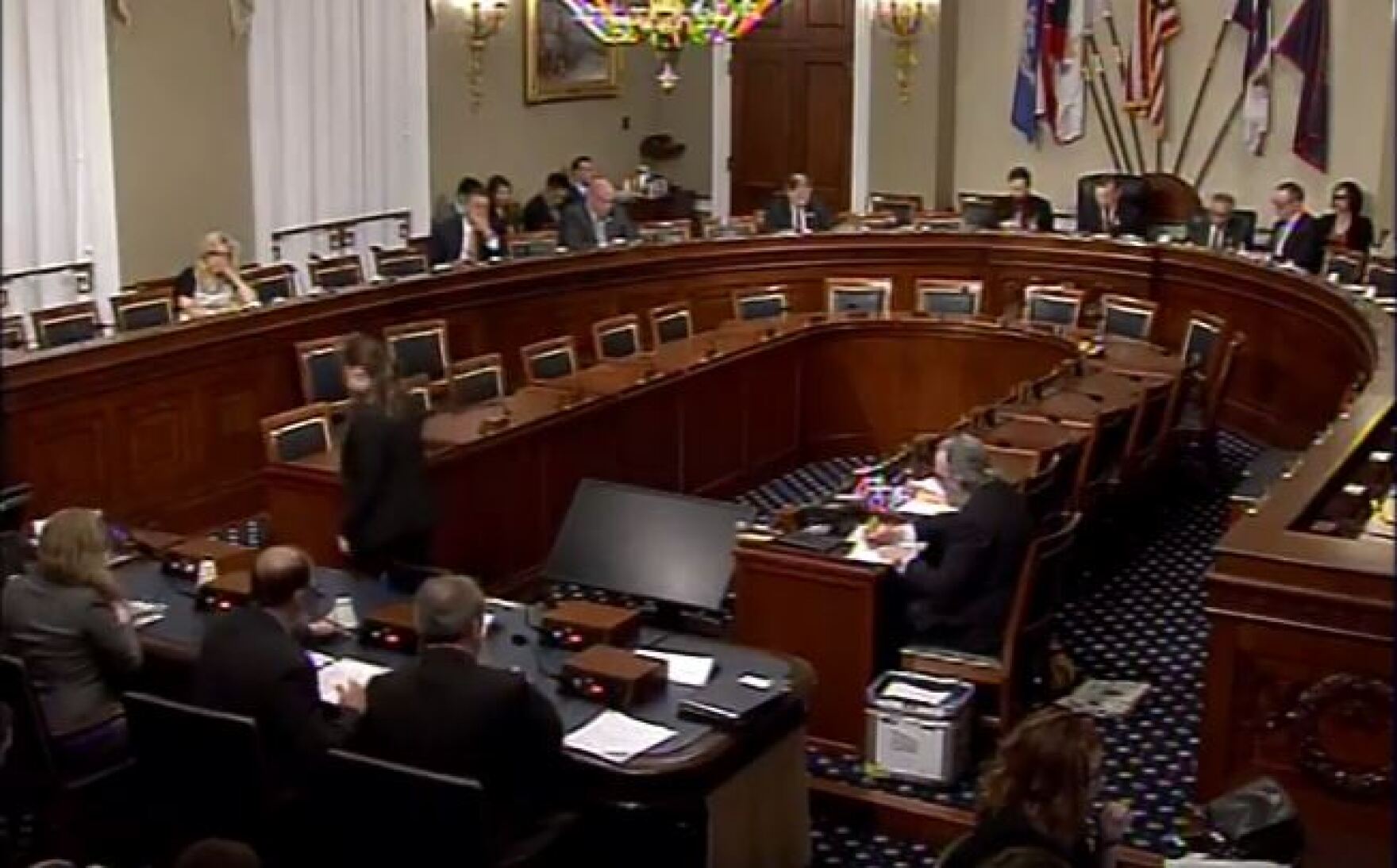
Professionals and experts from Kentucky, West Virginia and Montana testified in Washington, D.C., today about a bill designed to diversify economies in coal regions.
The hearing focused on the Revitalizing the Economy of Coal Communities by Leveraging Local Activities and Investing More Act of 2017 – also known as the RECLAIM Act.
Questions ranged from how abandoned mine land funds are distributed and used now, to the potential economic impact of those funds becoming more readily accessible.
The U.S. House Natural Resources subcommittee heard from Fritz Boettner, of Morgantown-based environmental and economic consulting firm Downstream Strategies.
“The RECLAIM Act of 2017 is intended to do two things: accelerate reclamation of abandoned mine land by dispersing $1 billion of Abandoned Mine Land funds to states and tribes, and to leverage increased mine reclamation projects to increase long term economic business on reclaimed mines,” Boettner explained. He went on to say the bill needs adjustments to better incentivize economic growth.
The bill would speed up spending from a fund established decades ago to restore abandoned coal mining land. A $1 billion would be released over five years to spur economic diversification -- especially in areas that have lost coal jobs.
Add WVPB as a preferred source on Google to see more from our team
In the North Carolina foothills, a common dessert is a sonker. Folkways Reporter Amanda Goins first heard of it when she moved to Surry County, North Carolina. This week, on Inside Appalachia she shares what she learned about this local dessert whose history goes back centuries.
A new report from the Sierra Club has identified a data center currently under construction in Mason County as a likely major source of pollution if it goes forward as planned.
Two groups are speaking out against the Public Service Commission of West Virginia's decision to allow First Energy to build a new power plant at ratepayer's expense.