Alert (09/29/2026): Our Parkersburg TV transmitter is still undergoing maintenance and remains temporarily inoperative. We apologize for the inconvenience.
All our programming is available via our TV livestreams on our website and WVPB Passport. Thank you for your patience!
This week, author Silas House returns with a sweeping new novel. Also, some folks say, you have to fake it 'til you make it, even if you're trying to establish a state park. And, the story of the first Mothman sightings as written by a small town journalist in 1966.
Home » Stories » 'I Am a Dirty Immigrant': One Man's Journey From the West Indies to West Virginia
Published
'I Am a Dirty Immigrant': One Man's Journey From the West Indies to West Virginia
Listen
Share this Article
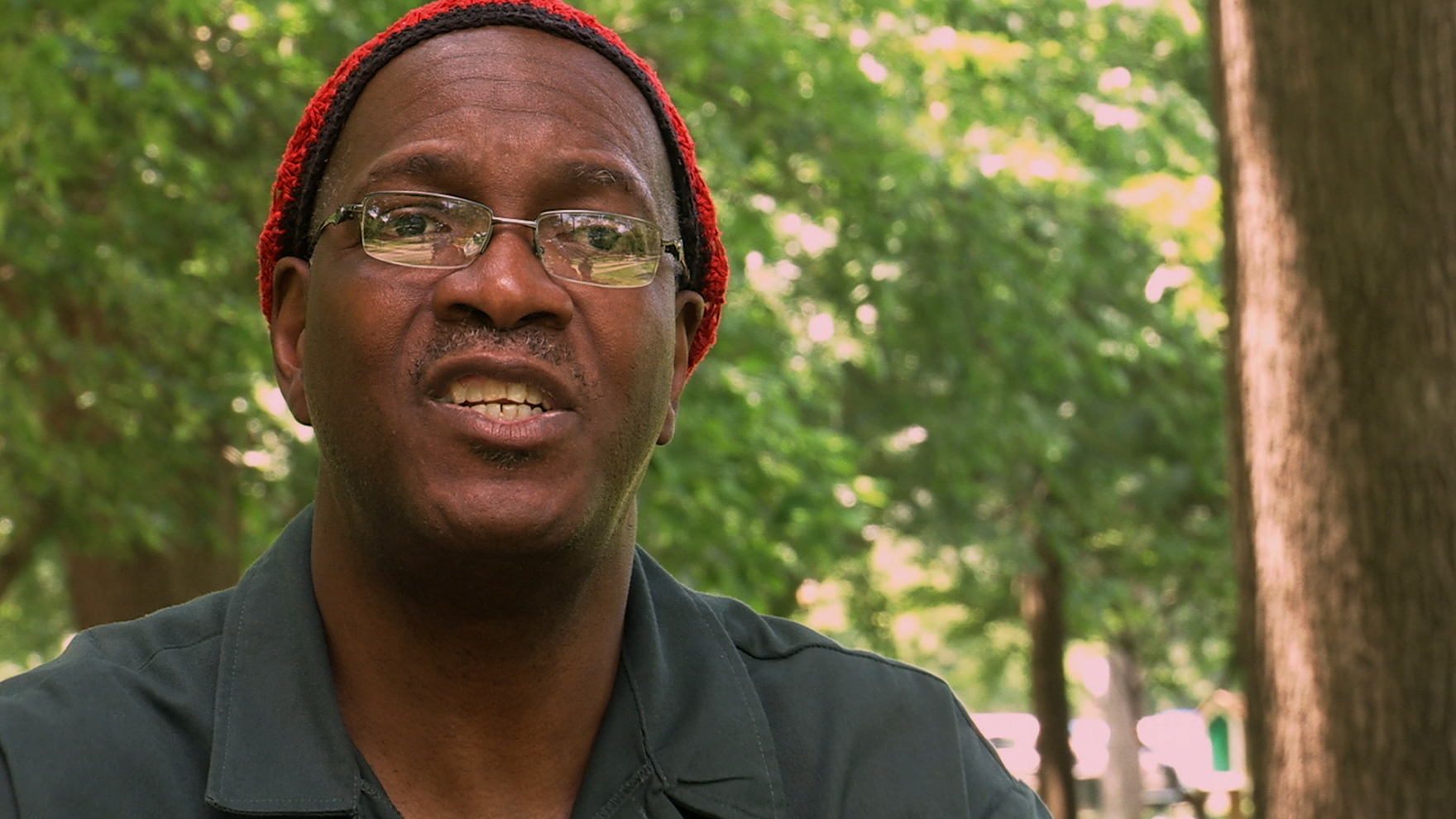
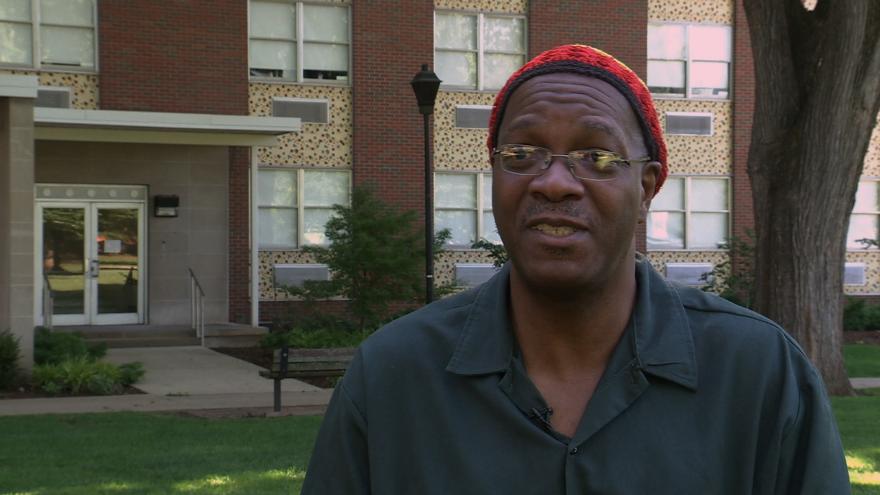
A memoir called “I Am a Dirty Immigrant” is the story of one man’s journey from the West Indies to West Virginia. Anderson Charles grew up in a tightly knit community in Grenada, and in 1986, moved to Kentucky to play basketball and attend college.
Back home, neighbors often pitch in to help raise each other’s kids and take care of people when they’re sick. And though he grew to love his newly adopted home of Appalachia, he said he initially had a difficult time finding that same feeling of community. The title of his book “I am a Dirty Immigrant” comes out of an experience he had, when coworkers at a telemarketing service labeled him a “dirty immigrant.” When he decided to write his story, he said he hoped it would highlight the commonalities between his life and of those in his new home of Appalachia.
“The reason why we have conflict with each other is because we don’t know each other,” said Charles. “We just know what everybody tells us about each other.”
Anderson Charles was born on the British-ruled island of Grenada, which gained independence from Great Britain in 1974. Today, Grenada is the smallest independent country in the Western Hemisphere. Nearly half the residents identify themselves as Roman Catholics, but it was a protestant minister who convinced the 7-foot Grenadian to accept a full basketball scholarship at the Baptist-affiliated Cumberland College in Whitley County, Kentucky.
“I wasn’t searchin’ for freedom. I wasn’t searchin’ for equality and all of that stuff. We had that there already,” Charles said.
He wasn’t ready for the many changes awaiting him when he arrived in Appalachia. “I landed in Kentucky and it was freezin’, I wasn’t prepared, I didn’t have a jacket. I had one thin Caribbean-style shirt, so I was freezin’!”
A vegetarian accustomed to eating yams and other roots, Anderson was not prepared for American fast food. “I would get sick all the time, because my body wasn’t used to that processed food. Most of the stuff I eat I cook, improvise with Caribbean recipes, and stuff, and put together.”
Then he had to come to terms with American slang. “Where I’m from, it’s like 86 percent African origin, so the slang is universal or national. There wasn’t any difference in the slangs and the stuff that we used, so coming to America, I thought, it’s Americans, they all speak the same. No, they don’t,” said Charles.
He was also surprised to see American poverty.
“Some people expect the streets to be paved in gold, because we get the stuff about how good everything is here.”
But he started to see similarities between the people of Appalachia and his own community back home in Grenada. “I started realizing, well, they’re not that different. They want to work hard, have a good livin’ and live a normal, peaceful life. But here, they’re all workin’ from paycheck to paycheck just like me, just like we were in the islands.”
Credit Russ Barbour/ WVPB
/
The realities of living in a third-world country force communities to work together in order to survive, Charles said.
“I was raised in a village, so we had that village atmosphere. If you have to go to work, you don’t have to go get somebody to babysit, you tell a neighbor [to] watch your kids. If somebody’s sick, we go in and take care of them. If somebody doesn’t have food, we would cook and bring food to the house.”
If you want to travel, he recommends visiting places that are less traveled, to get a richer experience of real life in a different country. “Go talk to the villagers. Because that’s how you’re gonna know people. Don’t go to a big city. Don’t go to Paris; that’ll be like goin’ to New York. Talk to the people who live the culture and then listen to them, and you’re gonna realize that you’re not that different. We’re not that different.”
With his book, “I Am a Dirty Immigrant,” Charles brings readers face-to-face with the clashes of culture common in today’s ever-transitioning world.
Credit courtesy Anderson Charles
/
Anderson Charles when he first moved to Kentucky in the 1980s
“I always laugh at people when they think the immigration issue is just a big thing here. It’s all over the world, ’cause everybody’s lookin’ for a safer place to be.”
After a year at Cumberland College, Anderson married and moved to New York. He later relocated his family to Huntington, West Virginia, where he earned a degree in sociology at Marshall University in 2002.
This story is part of an episode of Inside Appalachia that explores why we need community and collaboration to thrive.
Add WVPB as a preferred source on Google to see more from our team
On this West Virginia Week, our voter's guide is out, and it has all the information you need to know about the upcoming general election in the state. Also, another lawsuit targets the state's public school funding formula. And, a million dollar giant troll is making its way to the woods of West Virginia.
This week, author Silas House returns with a sweeping new novel. Also, some folks say, you have to fake it 'til you make it, even if you're trying to establish a state park. And, the story of the first Mothman sightings as written by a small town journalist in 1966.
The annual West Virginia Book Festival, a free event for book lovers of all ages, will be held on Saturday, Oct. 24, at the at the Charleston Coliseum and Convention Center.
Silas House is a major voice for Appalachia. The Kentucky native has written more than 15 books and served as the state's poet laureate. His latest book is The Tulip Poplars, a sweeping novel about the lives of four people as they navigate friendship and forbidden love throughout the 20th century. Inside Appalachia's Mason Adams spoke with House.