Alert (March 14, 2026): Due to recent high winds, our radio/TV tower in Bethany is not operational. Our engineers are working to resolve the issue. Alert (March 11, 2026): Our TV translator in Flatwoods is experiencing technical issues. Our engineers are troubleshooting the problem and expect it to be down for a couple days.
Thank you for your patience.
This week, we meet the woman behind the popular TikTok account “Appalachian Forager.” She makes jam from pawpaws and jewelry from coyote teeth. Also, we sit in on a master class in foraging for wild mushrooms. And, when a West Virginia pastor got assigned to a new church, folks tried to warn him.
New House Procedures Promote Deliberation, But Public Input Concerns Remain
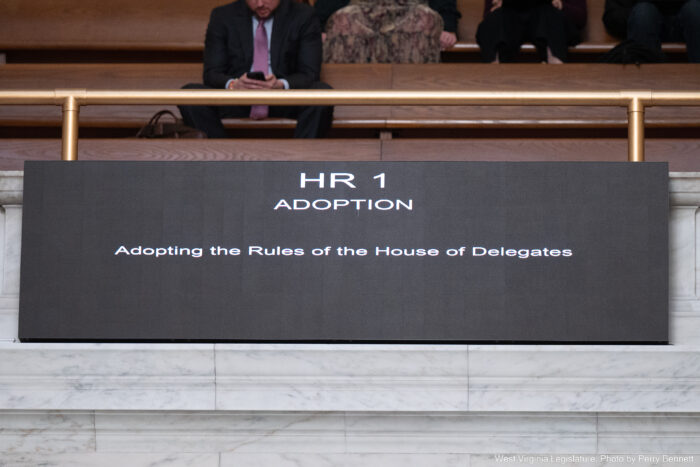
The House of Delegates' procedures and structure have changed for the 2025 regular session.Perry Bennett/WV Legislative Photography
Share this Article
One of the first actions lawmakers took when they gaveled in last week was passing constitutionally required rules for each chamber. The new rules passed by the House of Delegates in House Resolution 1 aim to make the bill process more deliberative.
There are now six standing committees: Health and Human Resources, Energy and Public Works, Finance, Government Organization, Education and Judiciary.
Each standing committee has three subcommittees, with Finance having four. For example, the Education Committee’s subcommittees will focus on education choice, public education and higher education.
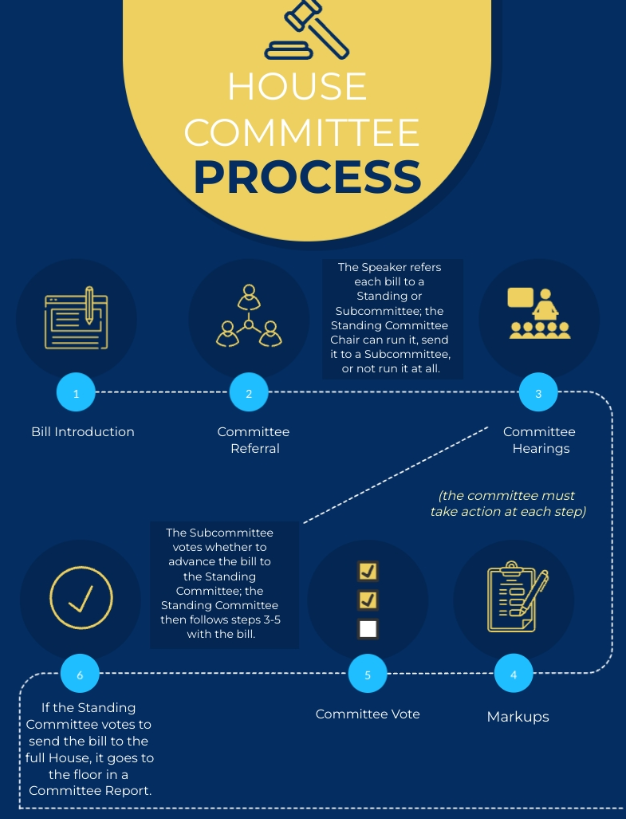
Bills referred to committee are now subject to a two- day process. First, a hearing will be held on the bill, followed by a markup and discussion of the bill on a separate day.
Bills referred to a subcommittee will go through the process twice; once in the subcommittee and again in the main committee before being sent to the House floor.
A flow chart explaining the new committee process in the House of Delegates.
The formal process of amending bills in committee will also change: All amendments now must be electronically submitted to the clerk of the committee two hours before the posted committee meeting time. This deadline does not apply when a proposed committee substitute or proposed committee amendment is offered.
The most notable change does away with public hearings in the House chamber in favor of public comments during the committee process.
Previously, any member or citizen could make a written request for a public hearing on any bill in committee. Public hearings in the House attracted substantial public engagement in recent years, drawing interested parties to the Capitol to offer thoughts on topics ranging from transgender rights to firearms on campuses and even mineral rights.
Under the new rules, committee chairs may invite members of the public to present information as part of a bill’s hearing, but there is no clear mechanism for citizens to request an invitation to present or speak. Members of the public can also submit a prepared statement with a committee clerk.
Supporters say the procedural overhaul will give delegates more time to carefully consider bills and their effects on West Virginians, including public input.
But opponents argue the new system gives committee chairs discretion to ignore certain members of the public. There is also concern that the removal of a previous requirement for 48 hours notice before a hearing will give little time for many West Virginians to make their way to Charleston to speak their piece.
Add WVPB as a preferred source on Google to see more from our team
The state legislature has once again failed to enact Raylee’s Law. The frustration of that moment has given way now to analysis about what happened – and how to move forward.
A report from the American Cancer Society notes that more than 28% of West Virginia high school students use tobacco products, including e-cigarettes. That despite the age to purchase the products being set at 21 years of age.
In his first press conference since the end of the 2026 legislative session, Gov. Patrick Morrisey chose to focus on the successes of his priorities -- and goals ahead.
After a lengthy and passionate debate, the Senate passed a bill that reverts decision-making on athletic transfers back to the West Virginia Secondary Schools Athletic Commission.