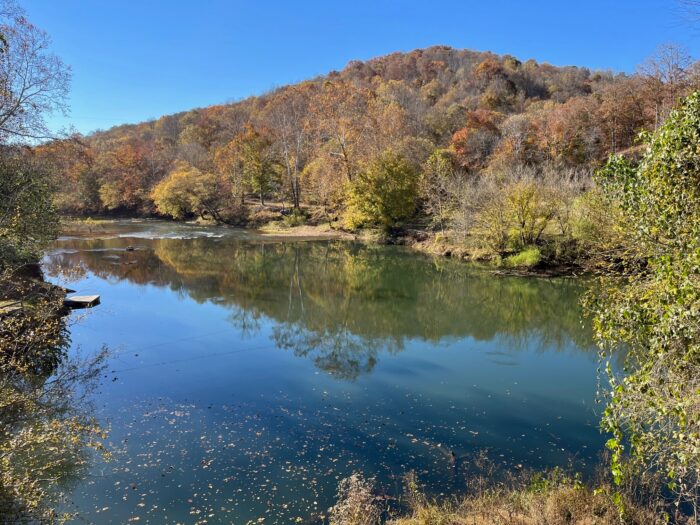
A new proposed federal rule that oversees the rivers, streams and other bodies of water in the United States has been released. The rule is called the Waters of the United States.
In May 2023, the U.S. Supreme Court curtailed the Environmental Protection Agency’s (EPA) enforcement of the Clean Water Act in the Sackett v. EPA case prompting the agency to come up with a new set of rules. The court ruled that federal jurisdiction over wetlands is limited to those with a “continuous surface connection” to a relatively permanent body of water.
This decision replaced the “significant nexus” test and limited the EPA’s authority, affecting how wetlands are regulated and leading the agency to revise its definition of “waters of the United States.” The case originated from a property dispute in Idaho where the Sacketts challenged an EPA order to stop filling in wetlands on their land.
“I’m hopeful that whatever happens with the body politic over the next 10 years that this could be a durable rule, because it’s common sense, and I know West Virginia will be weighing in to be supportive of this rule,” Gov. Patrick Morrisey said at a news briefing at the Environmental Protection Agency in Washington, D.C.
Morrisey noted West Virginia led an Amicus (friend of the court) brief in the Sackett case when he was the state Attorney General. The new, proposed rule includes specific definitions of what is, and what isn’t, a protected body of water.
The EPA has begun a 45-day public comment period on the rule.
U.S. Sen. Shelley Moore Capito, R-W.Va., chairman of the Senate Environment and Public Works (EPW) Committee, applauded the EPA’s announcement of the proposed rule.
“I applaud the Trump EPA’s proposed rule to make the regulatory definition of waters of the United States consistent with the text of the Clean Water Act,” she said. “This proposal takes an important step toward providing a clear and legally-sound framework that aligns with the Supreme Court’s Sackett decision and right-sizes federal jurisdiction. I appreciate the Trump EPA’s effort to take public input in developing this proposal, including by holding a listening session in Charleston to allow West Virginians the opportunity to share their perspectives.”