This week, a new generation is learning the story behind "Brown Hill," a song by influential bluegrass band The Lost and Found. Also, data centers are changing the landscape, and one project is planning to plow over an extremely rare stand of seed-producing American chestnut trees. And, small food producers embrace digital technology for the humble farm stand.
Home » Stories » Natural Gas Pipeline Explodes in Marshall County
Published
Natural Gas Pipeline Explodes in Marshall County
Share this Article
Credit Photo courtesy of Martin Dofka
/
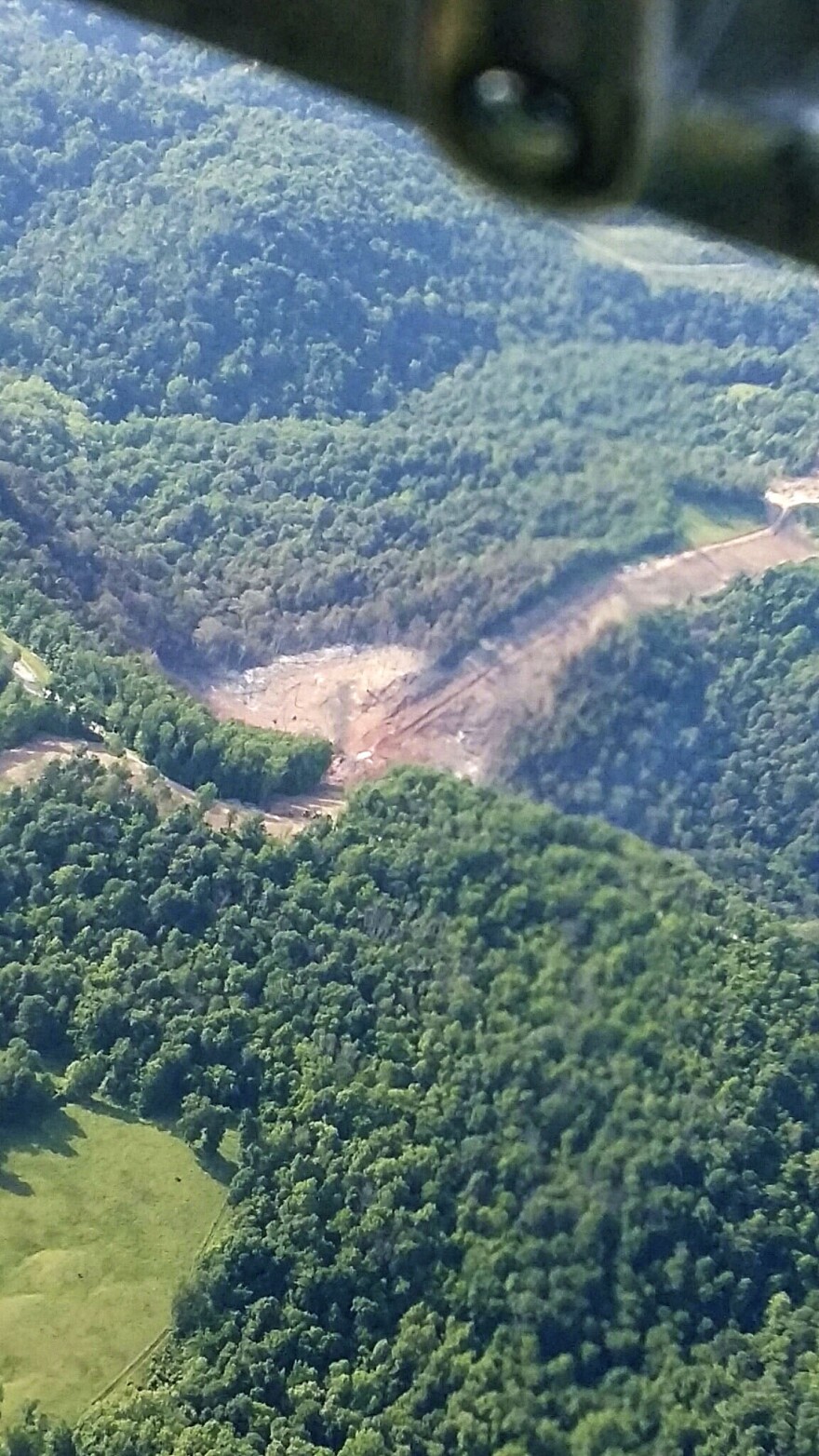
A crater in the earth following a Marshall County natural gas pipeline explosion as seen from the air.
No one was injured when the TransCanada natural gas pipeline exploded today in Marshall County, touching off flames that could be seen for miles.
Marshall County emergency manager Tom Hart said the state Department of Environmental Protection is investigating the cause of the explosion, which occurred at the end of Nixon Ridge in the southwest corner of the county.
A few residents left the area, but there was no mandatory evacuation order, Hart said. Emergency officials were alerted of the explosion at about 4:20 a.m.
Hart said pipeline operators were able to shut down the line remotely.
In a statement, a TransCanada representative said: “Our first priority is to protect the public and the environment. Emergency response procedures have been activated and the impacted area of pipeline has been isolated at this time.”
Add WVPB as a preferred source on Google to see more from our team
On this West Virginia Week, former governor and longtime U.S. senator Jay Rockefeller has died, West Virginia voted in the general election, and a new anthology explores science fiction and fantasy in Appalachia.
Bob Thompson’s annual holiday jazz celebration is back! Joining Thompson on stage is his long-time bandmates Timothy Courts on drums, Ryan Kennedy on guitar, John Inghram on bass, plus special guest vocalist Lena Seikaly with James Moore on trumpet. Buy your tickets today!
More than a third of all deer-vehicle collisions happen in October and November as cooler weather and shorter days mean more deer are out looking for food.