Alert (09/10/2026): Our Parkersburg TV transmitter is undergoing maintenance for a few days and will not be operational. We apologize for any inconvenience.
All our programming is available via our TV livestreams on our website and WVPB Passport. Thank you for your patience!
This week, in author Willie Carver, Jr.’s new book, he reconsiders a negative childhood experience with a neighborhood girl who might have just been looking for a friend. Also, a southwestern Virginia community rang the alarm after more and more of its children were diagnosed with cancer. A local journalist is trying to unravel the cause. And, the city of Asheville has a new crusading reporter. He’s a puppet.
These Groups are Reforming West Virginia's Food Economy
Listen
Share this Article
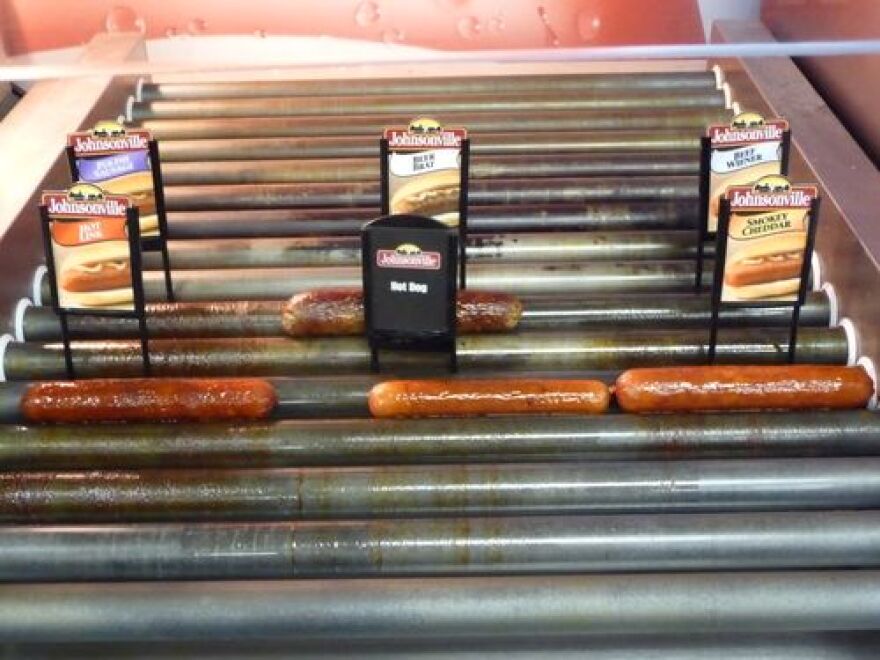
The phrase “food-desert” might sound like a landscape of sagebrush and armadillos, but it’s really a place where SlimJims, chicken nuggets and Slurpies count as dinner. A food desert can happen anywhere- we’ve all seen them. People who live in a food desert may be surrounded by food—fast food or convenient store hotdogs, instead of fresh, healthy food.
Even in rural West Virginia, where small farms still dot the roadside, fresh food isn’t available to all people. In some places it can take over an hour just to reach the next grocery store. Reawakening some of the old, small farm traditions-- and bringing a new local food movement to West Virginia-- is the work of five non-profits that were highlighted by the James Beard Foundation. Groups were chosen based on their work to bring healthy, local food to more people.
“We focus on helping people connect with each other so they can educate each other and be stronger together,” said Spellman.
The coalition trains farmers and advocates for statewide policies that help nurture small farmers.
Spellman says that because West Virginia has the highest number of small farms per capita in the country, there is a unique opportunity here to help transform the local food economy.
Credit Roxy TOdd
/
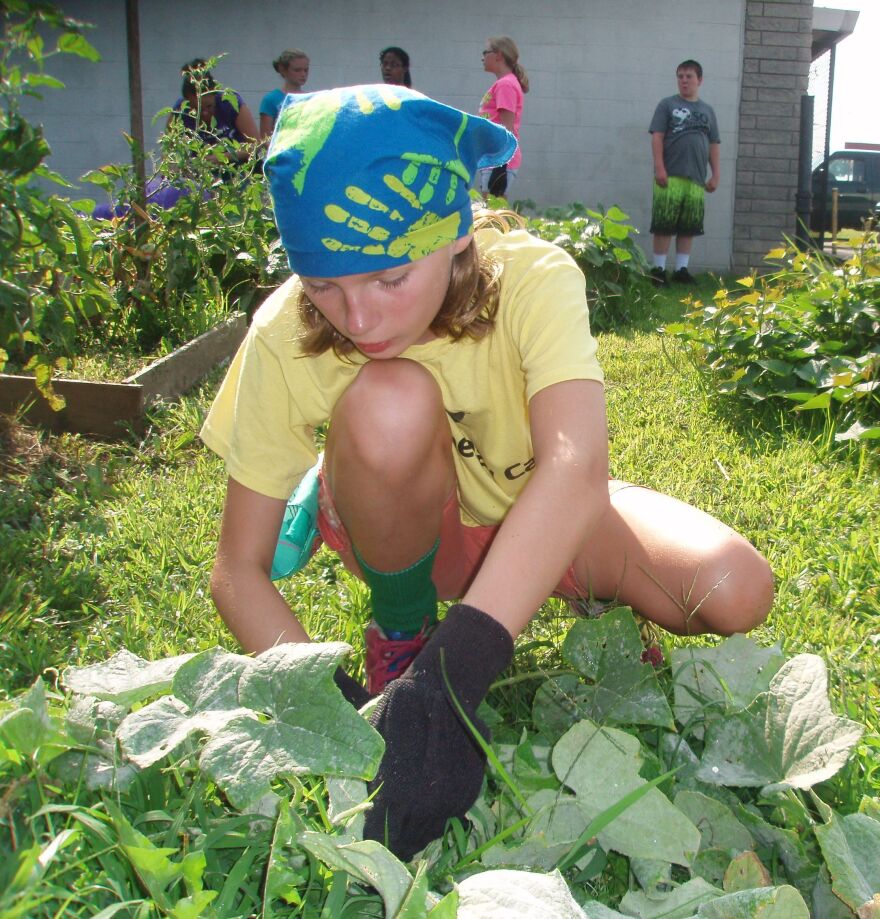
Children with a YMCA camp helping find harlequin beetles in the West Side Community Garden Project in Charleston
“Yeah, and we’re uniquely positioned to show what a small farm state can do because we don’t really have that many large farms. We’re mostly small farms. And people relying on each other and working together.”
On this West Virginia Week, the state signs a memorandum of understanding about nuclear energy, the Public Service Commission disputes need for a transmission line, and 9/11 is remembered.
A staff engineer testified that there is little evidence of the project’s benefit to West Virginians and the most likely outcome of the MARL project not being built is the energizing of fewer data centers in Virginia.
Twenty-five years ago, on Sept. 11, 2001, at 8:46 a.m., a hijacked plane hit one of the twin towers at the World Trade Center in New York City, ending for this nation a certain innocence, and the belief that such an attack would never happen on American soil. Maria Young caught up an economics professor from WVU who was on site when the planes hit – and gave an exclusive interview to then-West Virginia Public Broadcasting News Director Beth Vorhees.
They love West Virginia. They want to make their future here, but jobs, housing and opportunity can make that choice harder than it sounds. In the first of two Us & Them episodes, Trey Kay talks with young West Virginians trying to decide whether they can put down their own roots in a place they call home.