This week, we take a look at how the U.S. government built a secret city in East Tennessee during World War II to work on the atomic bomb. Also, almost everybody has a favorite cup or coffee mug, but how far would you go to replace it? And, we hear from a cabinetmaker on the physicality of poetry.
Us & Them: Hearing COVID Perspectives Along The ‘Trust Continuum’
Listen
Share this Article
Our trust can be tested by many things, both personal and professional. Political fractures make us question those we disagree with.
The shifting science of a pandemic presents challenging scenarios for healthcare leaders. As COVID cases continue to rise and fall, Us & Them wanted to hear from people who’ve landed at different points along this trust continuum.
Some don’t trust information or data about the coronavirus or the vaccines; from science, from healthcare, from government. Others say healthcare and government officials are doing their best handling a shifting reality with a virus that continues to mutate and infect.
Where are you on the trust continuum? How willing are you to listen to someone who disagrees? That’s the challenge in our newest episode of Us & Them. Listen to a range of ideas and opinions. Some may challenge your thinking, others could upset you. But if the exchanges get us all listening and thinking, that can be a good outcome.
This episode of Us & Them is presented with support from the the Greater Kanawha Valley Foundation and the CRC Foundation.
This program is made possible by funding from the National Endowment for the Humanities and the federal American Rescue Plan Act of 2021 through the West Virginia Humanities Council. Any views, findings, conclusions or recommendations do not necessarily represent those of the West Virginia Humanities Council or the National Endowment for the Humanities.
Subscribe to Us & Them on Apple Podcasts, NPR One, RadioPublic, Spotify, Stitcher and beyond.
Cornell University
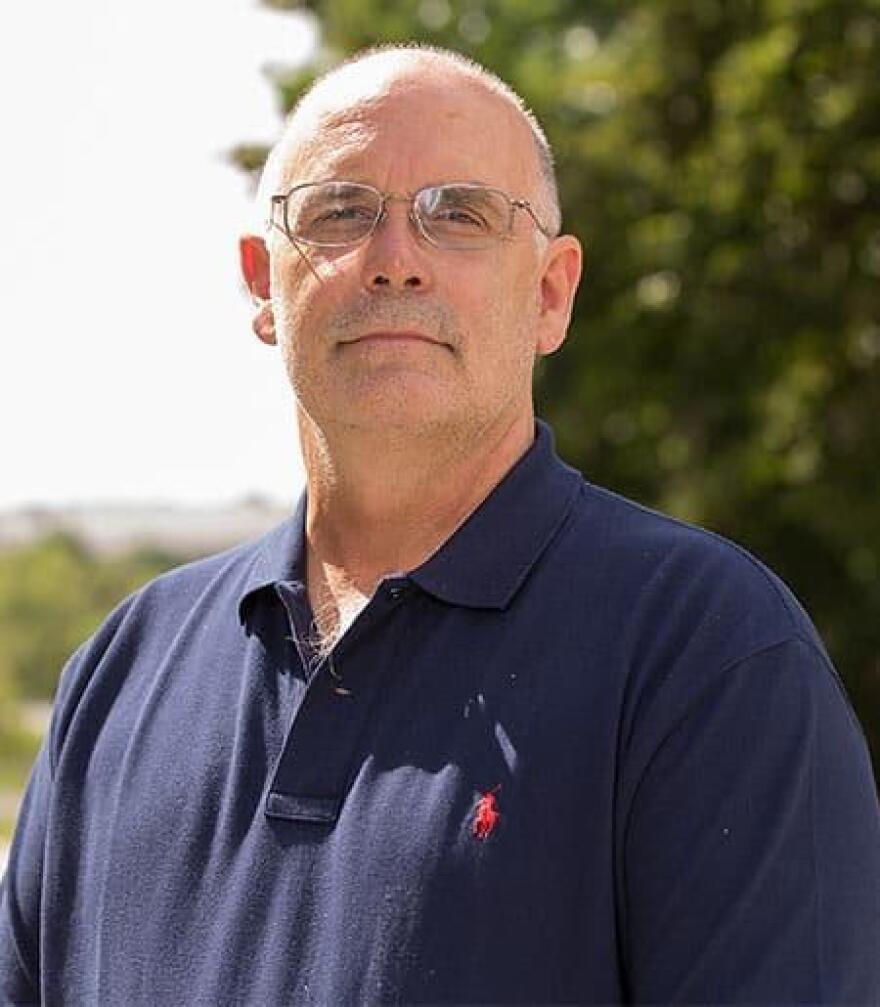
David Collum has been an organic chemist at Cornell University for the past 41 years. He is an outspoken critic of the U.S. response to the COVID 19 pandemic.
David Smith
/
WVU Reed College of Media
Julia Daisy Fraustino, Ph.D., is an assistant professor of strategic communication at the WVU Reed College of Media. She is founding director of the Public Interest Communication Research Lab in the WVU Media Innovation Center. Specializing in risk, emergency, crisis, and disaster communication science with emphasis on community resilience and ethics, Fraustino often focuses her research on public interest areas related to natural disasters, public health, and science communication.
Ellis Gregory Michael
/
West Virginia University
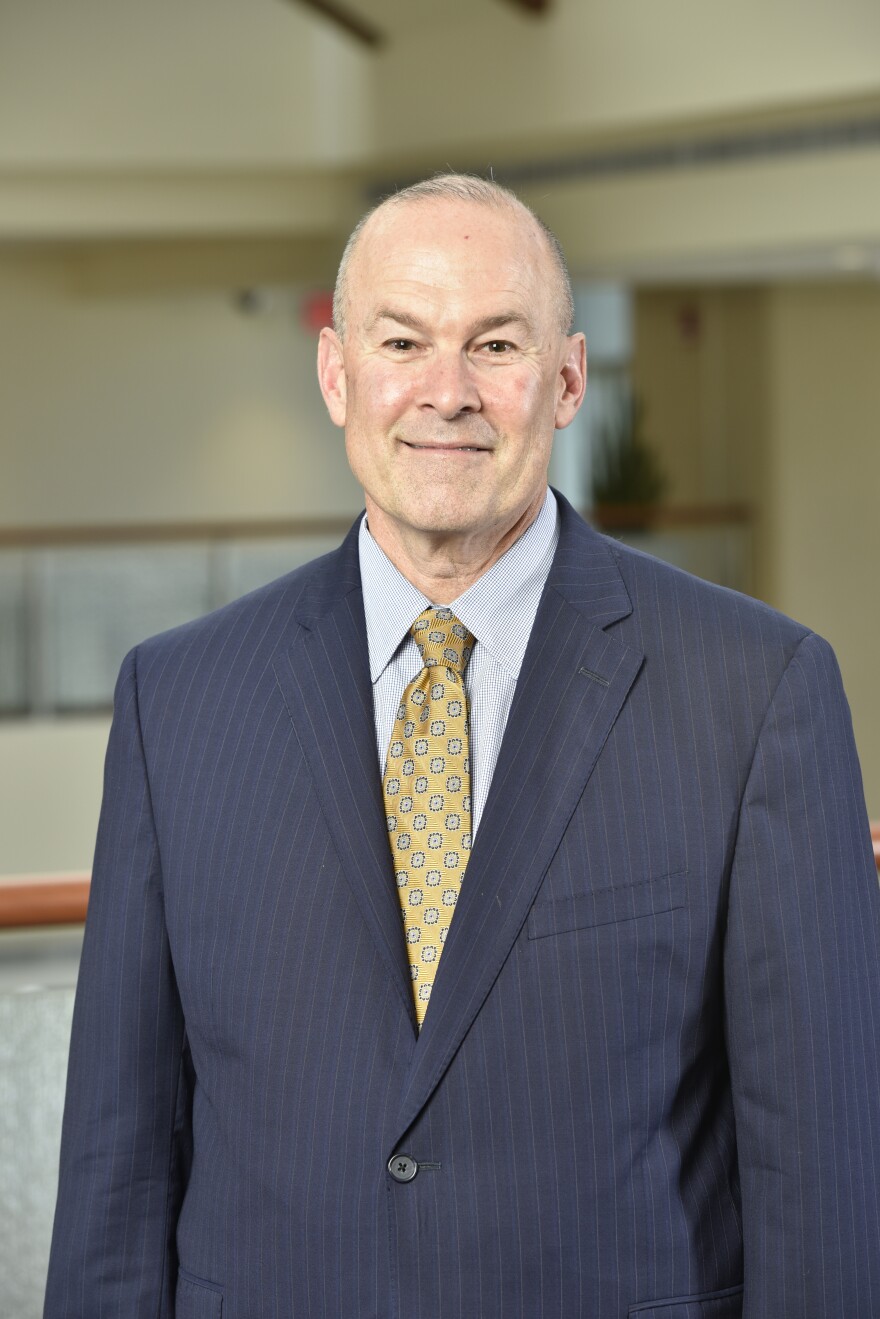
Dr. Clay Marsh is a national leader in academic and personalized medicine and in pulmonary and critical care. As West Virginia University’s chief health officer, Marsh is focused on finding statewide solutions for health and wellbeing, while addressing the most vexing health challenges in West Virginia and throughout the world. In response to the challenges of COVID-19, Marsh was appointed “COVID-19 czar” by West Virginian Governor Jim Justice in March 2020. In this role, Marsh coordinates the state’s response to COVID-19 by collaborating with federal, state and local agencies, health officials, researchers and other agencies aiding in the effort.
The roughly 5,700 residents of the town of Wayne are one step closer to being able to use city water, more than two weeks after receiving a do not consume order.
The American Lung Association released its annual report giving West Virginia Ds and Fs. News Director Eric Douglas spoke with Elizabeth Hensil, the director of Advocacy at the American Lung Association, to better understand what the grades mean.
Tobacco use is the leading cause of preventable death in West Virginia, accounting for about 4,200 deaths annually. The American Lung Association released its annual report grading West Virginia with Ds and Fs. We spoke with Elizabeth Hensil, the director of Advocacy at the American Lung Association, to better understand what the grades mean.
Tobacco use is the leading cause of preventable death in West Virginia, accounting for about 4,200 deaths annually. And about 20% of West Virginia adults smoke.