Appalachia has a rich history of protest music. Today, some regional musicians are using their voices to oppose data centers being built across Appalachia and the artificial intelligence they power. Folkways Reporter Andrea “river” Peterson has more.
Us & Them: Can We Have A Hard Conversation About Race In America’s Classrooms?
Us & Them: Critical Race TheoryUs & Them Team
Listen
Share this Article
Americans are looking back to reassess their history and origins.
George Floyd’s murder launched a global movement to assert the critical role that race plays in American law and society; however, even before Black Lives Matter protests swept the nation and the world, there were efforts to redefine America’s origin story.
Now, there are fresh fracture points in how we see ourselves and how we teach our history. A focus of this debate is on a little-known academic and legal concept called Critical Race Theory that says that racism is inherent in our laws and institutions.
The theory is not part of standard public school curriculum; however, it has become a catch-all term for efforts to include race as an element in how we teach America’s history. Some parents are against any approach that makes their children pawns in a racial legacy they say focuses too much on oppression and victimization.
Once again, one of our nation’s most sensitive cultural flashpoints is evident in debates over laws and school curriculum, and who decides what students will learn about our past.
This episode of Us & Them is presented with support from the West Virginia Humanities Council, The Greater Kanawha Valley Foundation and CRC Foundation.
Subscribe to Us & Them on Apple Podcasts, NPR One, RadioPublic, Spotify, Stitcher and beyond. You also can listen to Us & Them on WVPB Radio — tune in Thursday, Mar. 24, at 8 p.m., or listen to the encore presentation on Saturday, Mar. 26, at 3 p.m.
James Estrin
/
NPR
Nikole Hannah-Jones developed The 1619 Project, which was turned into a podcast and later, a book. Among the goals for project was to reframe the origin story of America and to document how instrumental the institution of slavery was in the creation of the United States.
Jelani Cobb is a professor at the Columbia Journalism School faculty. He has contributed to The New Yorker since 2012, and became a staff writer in 2015. He is the recipient of the 2015 Sidney Hillman Award for Opinion and Analysis writing and writes frequently about race, politics, history and culture. Cobb was most recently an Associate Professor of History and Director of the Africana Studies Institute at the University of Connecticut where he specialized in post-Civil War African American history, 20th century American politics and the history of the Cold War.
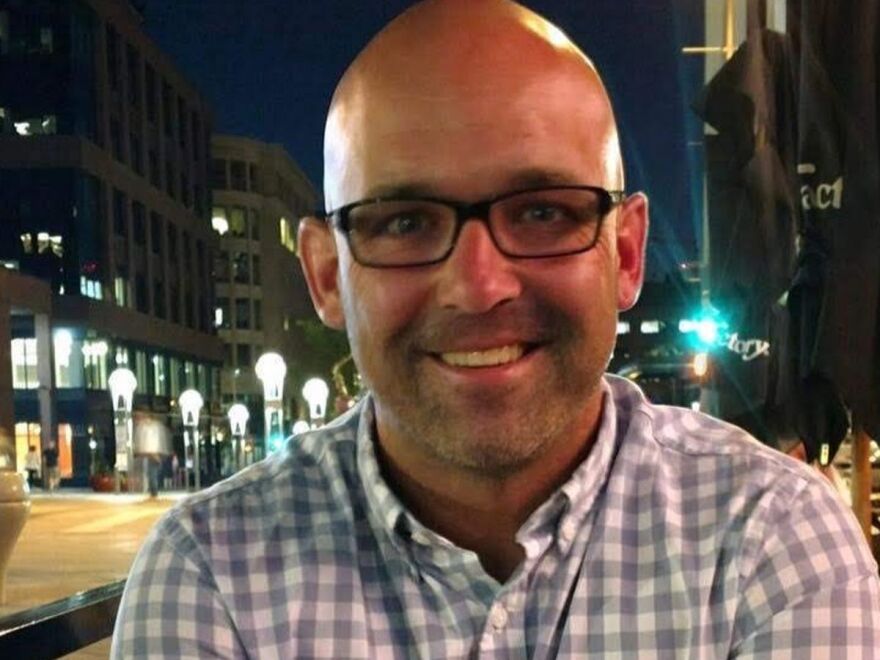
Matthew Hawn was a social studies teacher in Sullivan County, TN. He was fired for lessons he taught that delved into the role of race in American society.
Jonathan Zimmerman is an education historian at the University of Pennsylvania. He has written about the culture wars in the public schools for decades. An updated version of his book from 2002, “Whose America” will be published this fall. The original book took a deep dive into the religion and history wars in the schools.
Glen Youngkin picked up support from parents because he talked about their concerns on the campaign trail in his race for Governor of Virginia. He saw their anxiety over masking requirements and the pandemic, and he tapped into their frustration about what students were learning, or not learning at school. He made a campaign promise to ban Critical Race Theory from being taught in Virginia’s school system, despite the fact that CRT was not part of the state’s education curriculum. Youngkin defeated former Virginia Democratic Gov. Terry McAuliffe. As promised, when he took office on January 15, 2022, Governor Youngkin signed an executive order against teaching “divisive concepts” in public schools. Youngkin’s order was a version of similar legislation that’s passed in a dozen states so far, and still being considered in a couple dozen more.
Moms For Liberty
/
Tiffany Justice is a co-founder of Moms For Justice, which has grown into a nationwide organization of parents. Some reports show they have 70-thousand members in 165 chapters in 33 states. Justice is a wife and mom of four school-aged children. From 2016 to 2020, she served on the Board of the School District of Indian River County, FL. Justice says her organization empowers parents to look behind what she calls the “education curtain.”
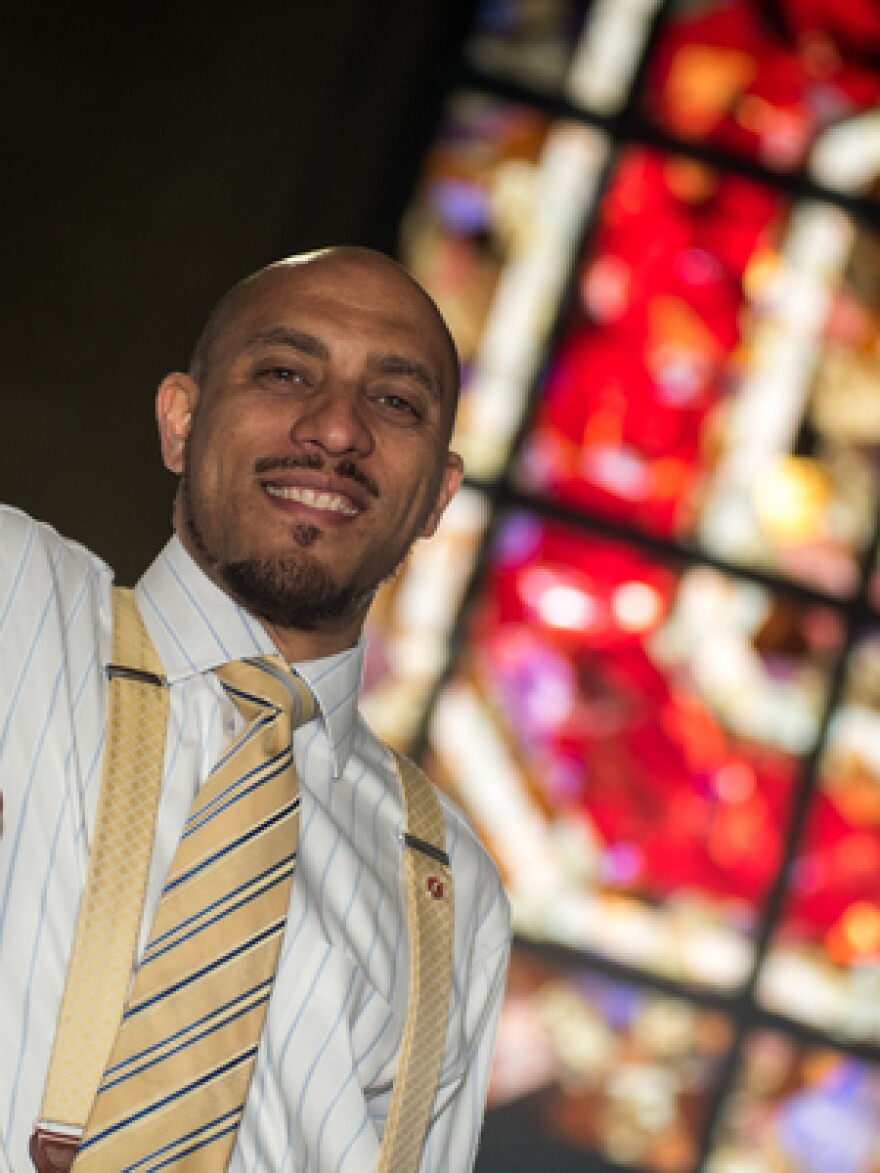
Hasan Kwame Jeffries is associate professor of history at The Ohio State University where he teaches courses on the Civil Rights and Black Power Movement.
Add WVPB as a preferred source on Google to see more from our team
Appalachia has a rich history of protest music. Today, some regional musicians are using their voices to oppose data centers being built across Appalachia and the artificial intelligence they power. Folkways Reporter Andrea “river” Peterson has more.
AI proponents say the technology will revolutionize our lives. It’s also started a conversation about creativity and what’s really art. That applies to kinds of expression that seem to have nothing to do with machines, like crochet. Folkways Reporter Wendy Welch brings us this story of how crocheters found AI invading their communal spaces and what they plan to do about it.
More than 3,000 pumpkins decorate the Pumpkin House in Kenova, an event that has turned into a community carnival but started out with five simple carved pumpkins.
On this West Virginia Week, urban cryptids get us into the Halloween spirit, a researcher revives forgotten musicians and a conversation with a journalist covering data center development.