Alert (09/29/2026): Our Parkersburg TV transmitter is still undergoing maintenance and remains temporarily inoperative. We apologize for the inconvenience.
All our programming is available via our TV livestreams on our website and WVPB Passport. Thank you for your patience!
This week, ballroom culture offers LBGTQ folks a chance to be as fabulous as they want to be. Also, national media reports on the deaths of notable people, but small, hometown papers add a more personal touch. And, alpha-gal syndrome takes red meat off the menu, but what about ostrich?
Fifty years ago this month, a fierce controversy erupted over newly adopted school textbooks in Kanawha County, West Virginia.
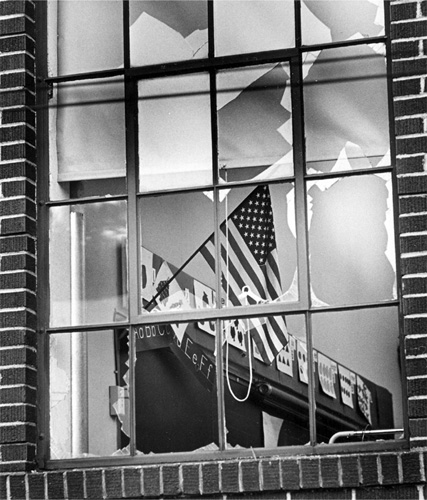
The fight led to violent protests in the state. Dynamite hit vacant school buildings. Bullets hit empty school buses. And protesting miners forced some coal mines to shut down — because of the new multicultural textbooks.
The classroom material focused on an increasingly global society, introducing students to the languages and ideas of diverse cultures. The material was an affront to many Christian social conservatives who felt the books undermined traditional American values. They saw their religion replaced by another belief system: secular humanism.
Many of those frustrations boiled over in Kanawha County in the summer of 1974.
This episode of Us & Them is presented with support from the West Virginia Humanities Council, CRC Foundation and Daywood Foundation.
This episode was honored with George Foster Peabody, Edward R. Murrow and Alfred I. duPont-Columbia University awards.
Subscribe to Us & Them on Apple Podcasts, NPR One, RadioPublic, Spotify, Stitcher and beyond.
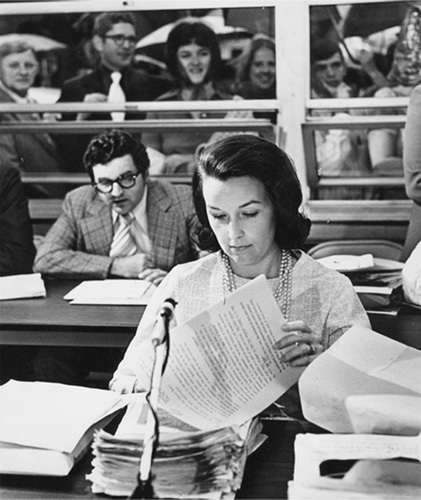
At the pivotal meeting on June 27, 1974, Kanawha County School Board member Alice Moore reviews transcripts as protesters watch through the board office auditorium windows.
“I almost think that Kanawha County was a test case. This was happening in different places around the country, but I wonder if they didn’t think they could come into West Virginia… that these were backward, uneducated people. They could come into this little state; they could do whatever they wanted to and nobody was going to question them.”
— Alice Moore
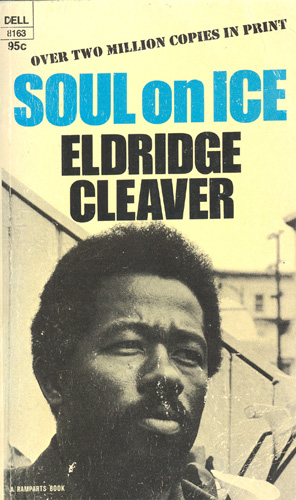
Photo Credit: Charleston NewspapersBlack power leader Eldridge Cleaver’s Soul on Ice was one of the leading sources of controversy.
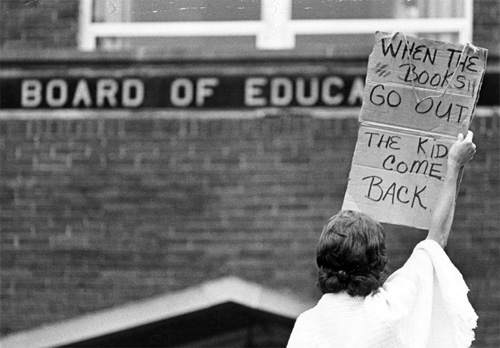
Photo Credit: Trey Kay/West Virginia Public BroadcastingA parent expresses her frustration over the adopted books outside of the Kanawha County Board of Education building.
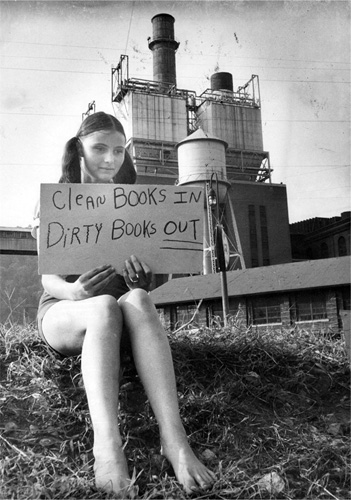
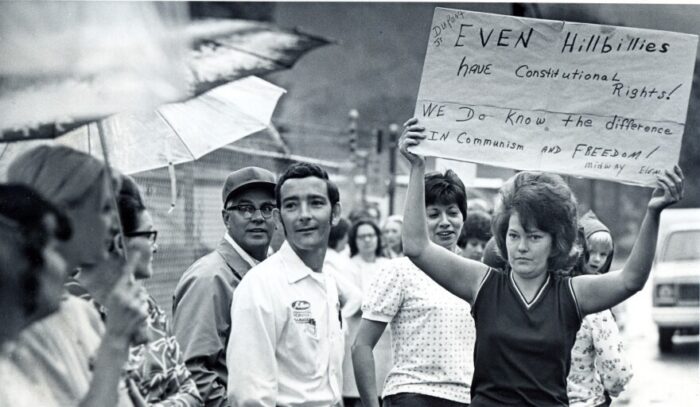
Photo Credit: Charleston NewspapersA young girl succinctly summarizes the bottom line of the 1974 Kanawha County textbook protest.
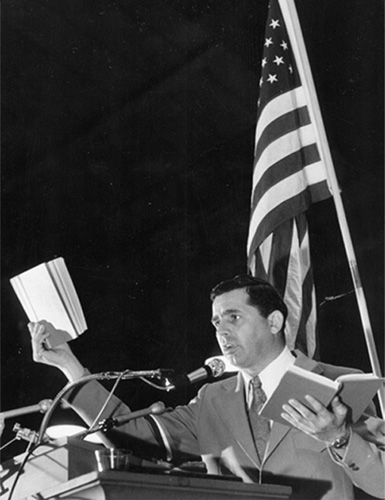
Photo Credit: Charleston NewspapersThe Rev. Marvin Horan, shown here at a November 1974 rally, was the most prominent person to serve significant jail time for his role in the protests. He served three years for conspiring to “damage and destroy two schools.”
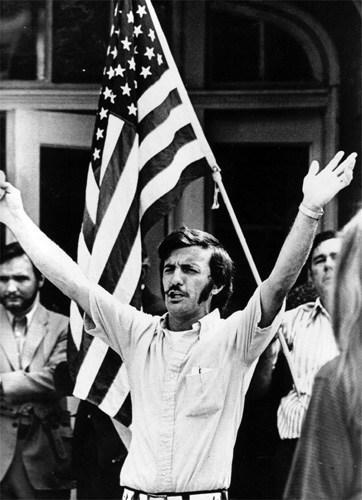
Photo Credit: Charleston NewspapersThe American flag was an ever-present symbol at nearly every anti-textbook gathering. The Rev. Avis Hill is shown here speaking outside the school board office.
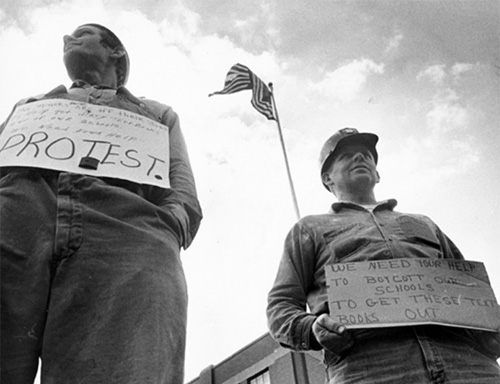
Photo Credit: Charleston NewspapersMiners buck the will of their union leaders and join the textbook boycott.
Photo Credit: Charleston NewspapersA line of textbook protesters picket outside Midway Elementary School in Campbells Creek, W.Va.
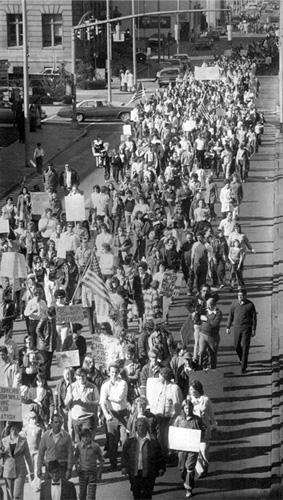
Photo Credit: Charleston Newspapers On Nov. 9, 1974, protesters take to the streets the day after the school board reinstates the books.
Photo Credit: Charleston Newspapers Textbook supporters pointed to the apparent contradictions between the violence and the protesters’ religious beliefs.
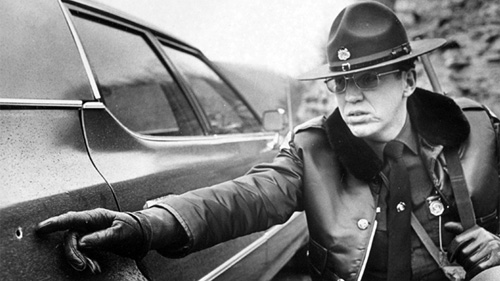
Photo Credit: Charleston Newspapers West Virginia State Trooper D. N. Miller’s cruiser was shot by a sniper on Nov. 13, 1974 while escorting a school bus.
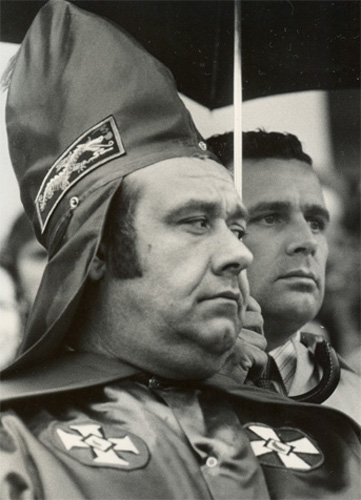
Photo Credit: Charleston Newspapers Klansman Dale Reusch attends a January 1975 anti-textbook rally on the steps of the West Virginia Capitol; the Rev. Marvin Horan is holding the umbrella.
Photo Credit: Charleston Newspapers
Add WVPB as a preferred source on Google to see more from our team
On this West Virginia Week, nuclear power in West Virginia takes a step back, Child Protective Services (CPS) settles with five children, and we make a visit to a fire tower.
This week, ballroom culture offers LBGTQ folks a chance to be as fabulous as they want to be. Also, national media reports on the deaths of notable people, but small, hometown papers add a more personal touch. And, alpha-gal syndrome takes red meat off the menu, but what about ostrich?
Local leaders continue to promote the state's aviation industry as the country continues to face a shortage of specialized workers including mechanics, technicians and air traffic controllers.
A specific style of ballroom dance is helping disenfranchised young people find community in Appalachia. In our latest episode of Inside Appalachia, we explore LGBTQ ballroom culture and community in Roanoke, Virginia. Mason Adams has this excerpt.