This week, coal power can be expensive. Utilities run coal-fired power plants harder in the winter and summer when demand is high. Also, two films made in West Virginia shot to the top of Netflix’s streaming charts. The state wants to encourage even more movies to be made in West Virginia by helping keep production costs down. And, an Eastern Kentucky pharmacist serves vegan food for the holidays.
Home » WVPB Podcasts » Appalachian Food: What Happens When Local, Traditional Foods Get Trendy?
Published
Appalachian Food: What Happens When Local, Traditional Foods Get Trendy?
Listen
Share this Article
The Inside Appalachia team is hitting the road and heading to Beckley for its first LIVE Listening Party the evening of Bridge Day. Join us for an evening of live interviews, videos, art and music. The event will be at the Raleigh Playhouse and Theatre in Beckley on Saturday, Oct. 20, at 7 p.m. — and it’s free. Seating is limited, so don’t forget to RSVP.
What foods did your parents and grandparents cook when you were growing up? What memories of food do you hold onto after all these years?
This week on Inside Appalachia, we’ll talk about food from our region. We’ll explore what happens when fancy chefs start cooking up our traditional fare, and we discuss how what we consider to be staples are called “trash food” by others. It’s no secret that some of the more urban or modern restaurants will recycle food concepts and call it “new” or “rediscovered.” But why did our cultural dishes get a bad reputation in the first place?
Author and editor Ronni Lundy will also tell us about her experiences with food growing up as a young girl in Appalachia.
Prehistoric Beans
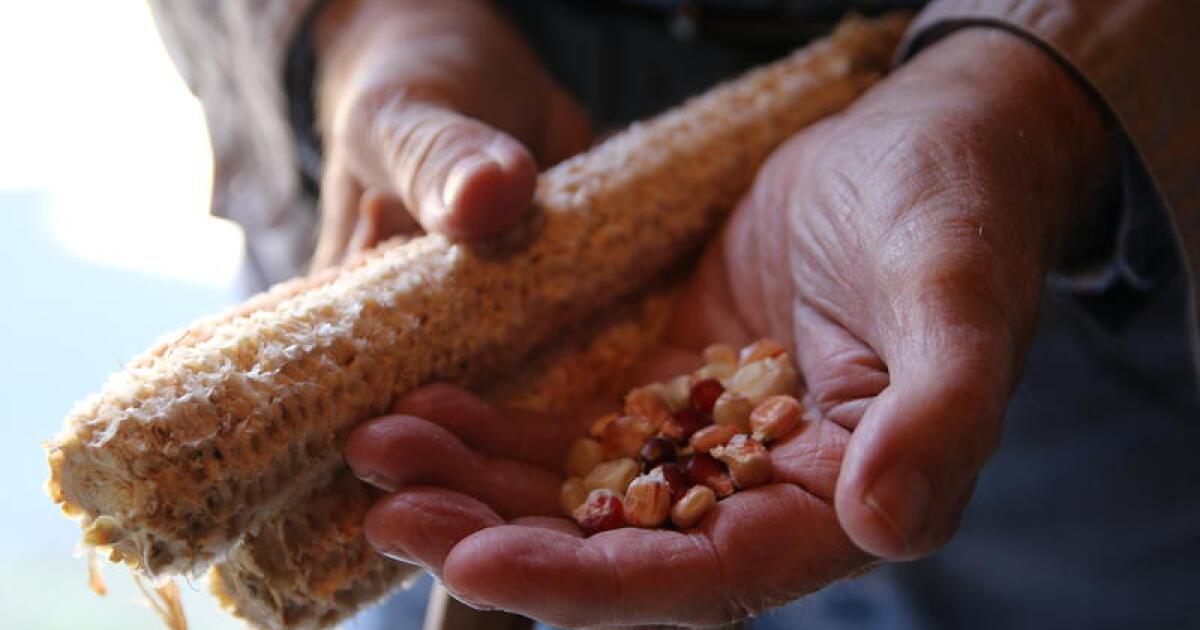
For many, beans and cornbread are as central to growing up in Appalachia as the mountains themselves. But did you know that these beans and seeds have a history that dates back to Native American culture?
Credit Dobree Adams
/
Farmer and writer Bill Best
Farmer and author Bill Best has spent his life farming and learning all about the different ways that beans have been used throughout Appalachia over thousands of years. His new book is called Kentucky Heirloom Seeds: Growing, Eating, Saving.
“To an archeologist, a bean is a bean is a bean… and I was the first one to point out that the beans were being grown for different reasons,” Best said.
He’ll tell us about how beans have been more influential in our past than we might think — and we’ll hear why they may be in danger of extinction.
Appalachian Food Summit
The Appalachian Food Summit began as an online conversation between Appalachian chefs, scholars and farmers who have a stake in the region’s food culture. It grew into annual, in-person gatherings of Appalachian “foodies,” if you will. This year was the group’s fourth summit, and the first time they’ve met in West Virginia.
The Appalachian Food Summit this year was titled “Cornbread and Roses, Solidarity, Resistance, and Subsistence in Appalachia,” and as the name suggests, the two-day event wasn’t just focused on celebrating foods from our region. Of course, there was plenty of food served by local Appalachian chefs, but speakers also led discussions on topics like how food intersects with politics, history—and even how food played a major role in the teacher’s strike in West Virginia earlier this year. Writers, chefs, scholars, and food lovers gathered in Bridgeport to talk about the role that food plays in daily life here in Appalachia.
In this episode, we’ll hear from Mike Costello, farmer and chef and one of the organizers of the Appalachian Food Summit.
Inside Appalachia is produced by Roxy Todd. Jesse Wright is our executive producer. Molly Born edited our show this week. Our audio mixer is Patrick Stephens. We’d love to hear from you. Send us tweet @InAppalachia.
Add WVPB as a preferred source on Google to see more from our team
Especially in a land-locked state, the idea of caring for our natural waterways may not come easily. The Allegheny Front, a public radio program based in Pittsburgh that reports on environmental issues in the region, brings us their latest story on the healing power of water.
On this West Virginia Week, a Florida energy company plans to build a high voltage line across four West Virginia counties. Also, the state’s horse racing industry gets a boost, and be sure to watch out for ticks this season.
This week, coal power can be expensive. Utilities run coal-fired power plants harder in the winter and summer when demand is high. Also, two films made in West Virginia shot to the top of Netflix’s streaming charts. The state wants to encourage even more movies to be made in West Virginia by helping keep production costs down. And, an Eastern Kentucky pharmacist serves vegan food for the holidays.
Lawmakers in both West Virginia and Virginia have been looking at ways to make power bills more affordable, but their approaches are very different. We spoke with economists, politicians and ratepayers to learn why tensions between the two states may be driving up costs.