A federal judge has temporarily blocked the enforcement of West Virginia’s food dye ban while a lawsuit against the state is being argued.
West Virginia was the first in the nation to implement a new law that bans several artificial food dyes from school lunches. House Bill 2354 was signed into law by Gov. Patrick Morrisey this spring and went into effect on Aug. 1. As the first in the nation to take such action, child nutrition directors across the state scrambled to adjust in time for the fall semester of school.
A statewide ban on those same dyes and preservatives is set to take effect on Jan. 1, 2028. Thirteen other states, from Oregon to Florida, have proposed similar legislation and as many as 23 states are considering some form of dye ban.
In October, the International Association of Color Manufacturers filed a lawsuit in the U.S. District Court for the Southern District of West Virginia, seeking to stop it.
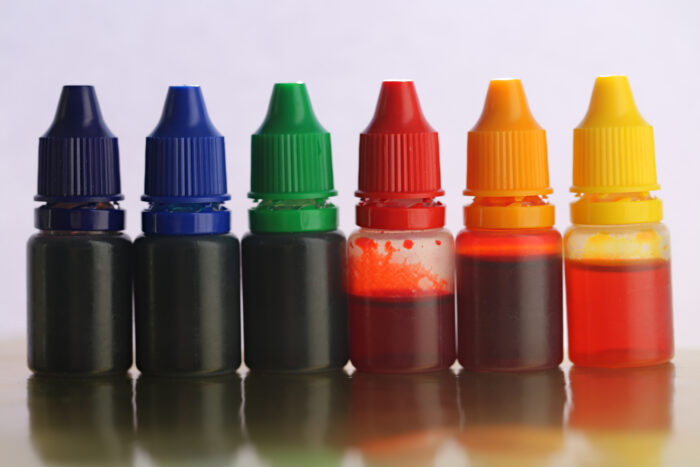
The law prohibits the use of FD&C Blue No. 1, FD&C Blue No. 2, FD&C Green No. 3, FD&C Red No. 3, FD&C Red No. 40, FD&C Yellow No. 5, FD&C Yellow No. 6 and preservatives butylated hydroxyanisole (BHA) and propylparaben.
In her order granting preliminary injunction issued Dec. 23, Judge Irene Berger wrote that, “HB 2354 fails to give adequate notice of what conduct is prohibited and lacks sufficient standards to prevent arbitrary enforcement.”
Berger wrote that the bill lacks clear standards or a procedure as to how the West Virginia Department of Health (WVDOH) will determine if a color additive beyond those listed, is “poisonous and injurious.”
“What facts or data, if any, must the WVDOH rely on before determining that additional color additives are “poisonous and injurious”?” she wrote. “Is it sufficient for the WVDOH to rely on any study when making its determination or none at all? If a parent notifies WVDOH that they believe their child is sensitive to a color additive, is that a sufficient basis for a color additive to be deemed “poisonous and injurious,” or must the WVDOH conduct a further investigation? It is far from clear.”
Berger laid out her reasoning across 30 pages, explaining why she believes the International Association of Color Manufacturers will prevail on their argument that HB 2354 is unconstitutionally vague. However, she also discussed what she believed to be less than convincing arguments for the bill violating the Equal Protection Clause or being a prohibited bill of attainder.
The dye ban was part of the initial push in Morrisey’s “rural healthcare transformation” aimed to increase the standard of living for West Virginians and attract jobs and business investment with a healthier workforce.