A team of universities is helping West Virginia maximize the effects of its opioid settlement spending.
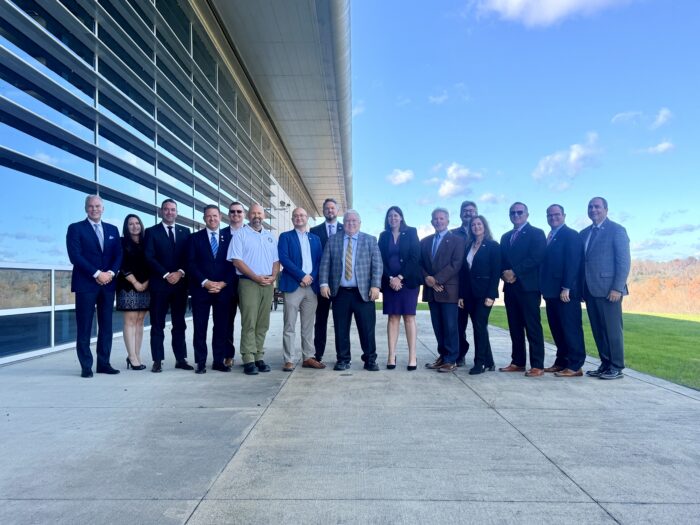
The West Virginia First Foundation (WVFF) is partnering with six universities to strengthen the state’s response to the opioid crisis through research, innovation, and collaboration.
WVFF was created by the state legislature in 2023 to distribute nearly $1 billion in opioid settlement monies over 17 years.
Gov. Patrick Morrisey said the foundation has already helped the state make a lot of progress in addressing the effects of the opioid epidemic, and the collaboration will make them even more effective.
“The state’s going to benefit from the data sharing that goes on, so we can help ensure that the best possible policies are being driven forward,” he said.
The governor said West Virginia needs to improve its response to the opioid epidemic to ensure the state can move forward and grow. He said the collaboration will continue the state’s work at the forefront of societal recovery.
“West Virginia was among the states hardest hit by the opioid epidemic, but we now have an opportunity to become a national leader in how we fight back,” Morrisey said. “Success won’t be measured simply by how much money we distribute. It will be measured by how many lives we save, how many families we help restore, and how many people we help get healthy and back into the workforce. These partnerships will help us get there.”
The universities include four West Virginia institutions as well as Johns Hopkins and Notre Dame.
- Marshall University: Drawing on the expertise of its Center of Excellence for Recovery to support WVFF’s Community Catalyst Grant review process and helping shape future approaches to tracking outcomes across funded initiatives.
- West Virginia University: Leading the West Virginia Wayfinder statewide needs assessment through its Health Affairs Institute, using data to identify gaps in prevention, treatment, and recovery services and inform WVFF’s funding priorities.
- West Virginia Wesleyan College: Through its Center for Addiction & Trauma, providing academic reviewers for WVFF’s Community Catalyst Grant, bringing expertise in addiction, trauma, and behavioral health to strengthen the rigor of the review process.
- University of Charleston: Building on the naloxone distribution program originally established by the School of Pharmacy, this initiative leverages resources from the Teva opioid settlement to advance overdose prevention efforts and track naloxone utilization and associated outcomes.
- Johns Hopkins University: Providing foundational guidance that has helped shape WVFF’s evidence-based approach to grantmaking, from application intake through outcomes measurement.
- University of Notre Dame: Through its Wilson Sheehan Lab for Economic Opportunities, providing independent, research-informed evaluation of grant applications to support objective funding decisions and strengthen accountability.
“Behind every dollar we invest is a West Virginian fighting for recovery, a family hoping for a second chance, or a community working to heal,” Jonathan Board, WVFF executivedirector said. “We have a responsibility to make every dollar count. That means going beyond simply funding programs to understanding what works, measuring results, and making decisions that will change the course of this crisis for generations to come. These partnerships are about turning research into action, investments into outcomes, and hope into healing.”
Under the “West Virginia First Memorandum of Understanding” WVFF manages 72.5% of all opioid settlements for distribution to community organizations. Another 24.5% goes to local governments, and the remaining 3% is held by the state in escrow to cover any outstanding attorney fees.
Over the summer Attorney General JB McCuskey announced that moving forward, opioid settlement recoveries obtained by the state will be allocated and utilized by the legislature, and recoveries obtained by local governments will be allocated and utilized by mayors and county commissioners.