Paranormal Trail Returns For Spooky Season
The West Virginia Paranormal Trail is back for another season, and there's even a new location this year.
Continue Reading Take Me to More NewsAlert (09/10/2026): Our Parkersburg TV transmitter is undergoing maintenance for a few days and will not be operational. We apologize for any inconvenience.
All our programming is available via our TV livestreams on our website and WVPB Passport. Thank you for your patience!




To Educate, Inform, and Inspire by Telling West Virginia's Story
Mountain Readers Week will be held Oct. 5-9, 2026! Celebrate and foster a love of reading in children across West Virginia.
Learn more about Be My Neighbor Day! And check out our recap from last year.

On Demand

On Demand

Stream original productions from WVPB

Watch locally produced documentaries & more.

On Demand

On Demand






West Virginia Morning

Inside Appalachia

West Virginia Week

Mountain Stage

Us & Them

The Legislature Today

The Legislature This Week

Send us your comments and questions.

Stream our board meetings.

Check out the latest WVPB news.

Sign up for our newsletter and get weekly updates.

Meet the WVPB staff.

WV Educational Broadcasting Commission, the WVPB Foundation, and the Friends of WVPB.

Come work with us!

Read our annual report and learn how we educate, inform and inspire with your support.

Sponsor impactful and engaging media and entertainment.

Use your IRA to make a gift to WVPB.

Become a member with your gift of $1,000 or more.

Make WVPB part of your legacy.

Manage your membership account.

Learn how you can Protect and Sustain West Virginia Public Broadcasting.
Updated on Wednesday, June 29, 2022 at 5:20 p.m.
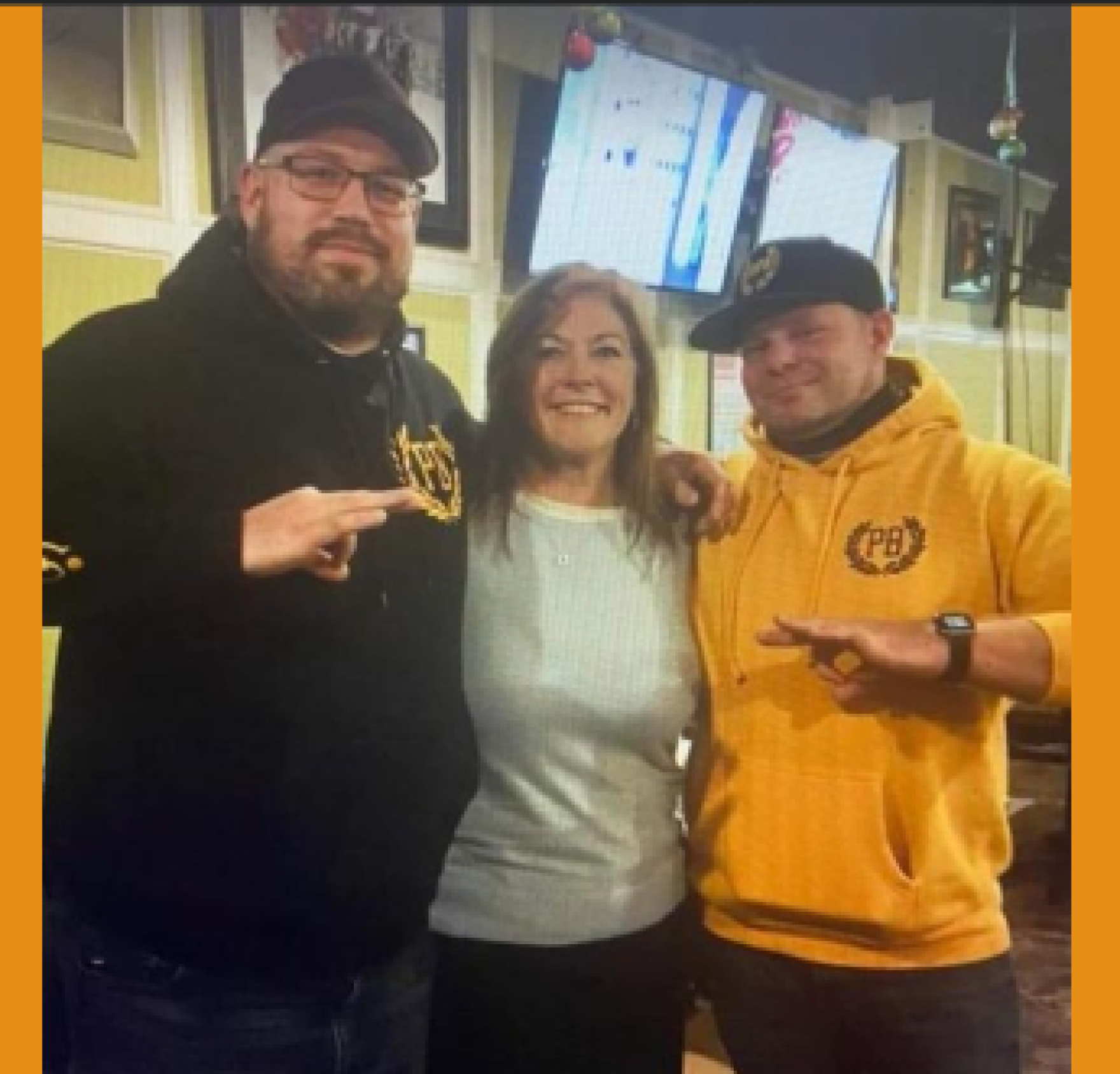
A Jefferson County commissioner is under scrutiny after a photo of her with alleged members of a hate group circulated on Facebook.
The post includes a photo of Commissioner Tricia Jackson posing with two men wearing clothing with the Proud Boys logo and using the “okay” hand gesture, which was designated as a hate symbol by the Anti-Defamation League in 2019.
The Proud Boys are an alt-right hate group that have been linked to events like the Jan. 6 riot at the U.S. Capitol. The group is designated as such by organizations like the Southern Poverty Law Center.
Jefferson County NAACP President George Rutherford released a statement yesterday requesting that Jackson make it known publicly whether she supports the Proud Boys and their position on white supremacy.
“The mere fact that she’s supposed to be the representative on the county commission, we just want to make sure we’ve got the right personnel and that they represent our well-being,” Rutherford said.
Jackson said in a statement posted on Facebook that she believes the photo is innocent and does not plan to resign from the commission.

A release sent Wednesday evening by the Jefferson County NAACP to West Virginia Public Broadcasting announces the chapter is officially calling for the resignation of Jackson, saying her statement was not forthcoming enough and is unclear on whether she still supports the Proud Boys.
Add WVPB as a preferred source on Google to see more from our team

Duties of poll workers can include delivering election supplies to polling places, verifying voter identities and registrations and securing the materials after polls close.
Continue Reading Take Me to More NewsA series of storm systems moved across West Virginia earlier this week, bringing repeated periods of heavy rainfall and thunderstorms, overwhelming streams, creeks, drainage systems, and low-water crossings.
Continue Reading Take Me to More NewsIn the runup to the midterm elections, it’s time for a new Us & Them dinner party. Host Trey Kay brings West Virginians together from a range of political perspectives to share some family dishes, as well as their thoughts. This time around, the conversation included some new topics as well as some of the familiar issues that divide us. We listen to an excerpt.
Continue Reading Take Me to More NewsWith the midterm elections approaching, Us & Them is taking the Dinner Party on the road to a trio of communities across West Virginia. In the first of our three gatherings this fall, host Trey Kay is back in Charleston bringing together conservative and liberal West Virginians to share a potluck meal, talk politics and see whether conversation across the divide can uncover some common ground.
Continue Reading Take Me to More News