Alert (09/29/2026): Our Parkersburg TV transmitter is still undergoing maintenance and remains temporarily inoperative. We apologize for the inconvenience.
All our programming is available via our TV livestreams on our website and WVPB Passport. Thank you for your patience!
This week, author Silas House returns with a sweeping new novel. Also, some folks say, you have to fake it 'til you make it, even if you're trying to establish a state park. And, the story of the first Mothman sightings as written by a small town journalist in 1966.
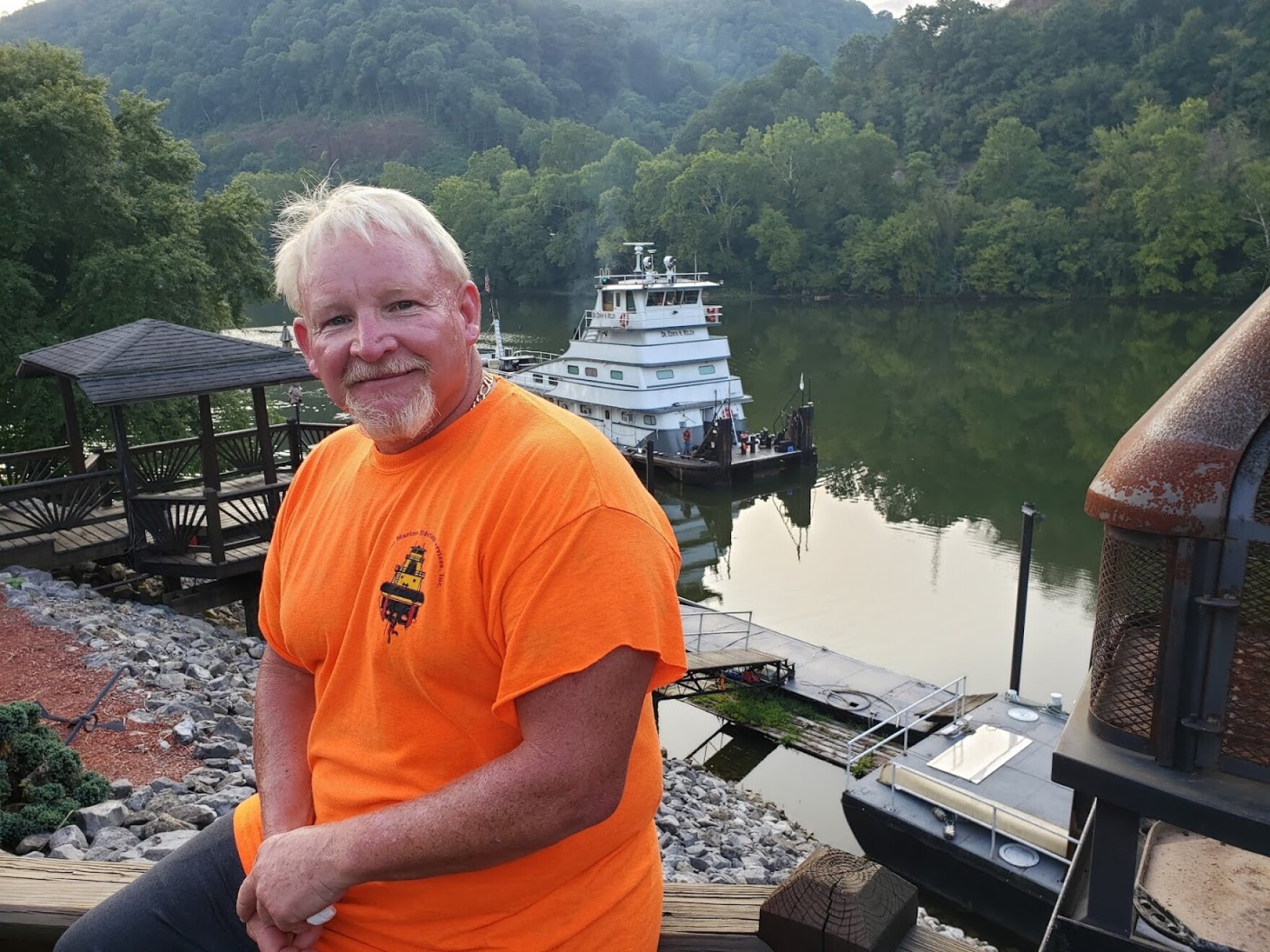
Eric Gardner has a different perspective than most about the rivers in central Appalachia. That’s because he spends most of his time in them.
Gardner is a commercial diver. He works in the Kanawha and Ohio rivers, maintaining tow boats, barges, pipelines and spillways.
“I started out with some older gentleman that ran the company. [They] took a liking to me and taught me a lot of the trades that I still use to this day,” he said.
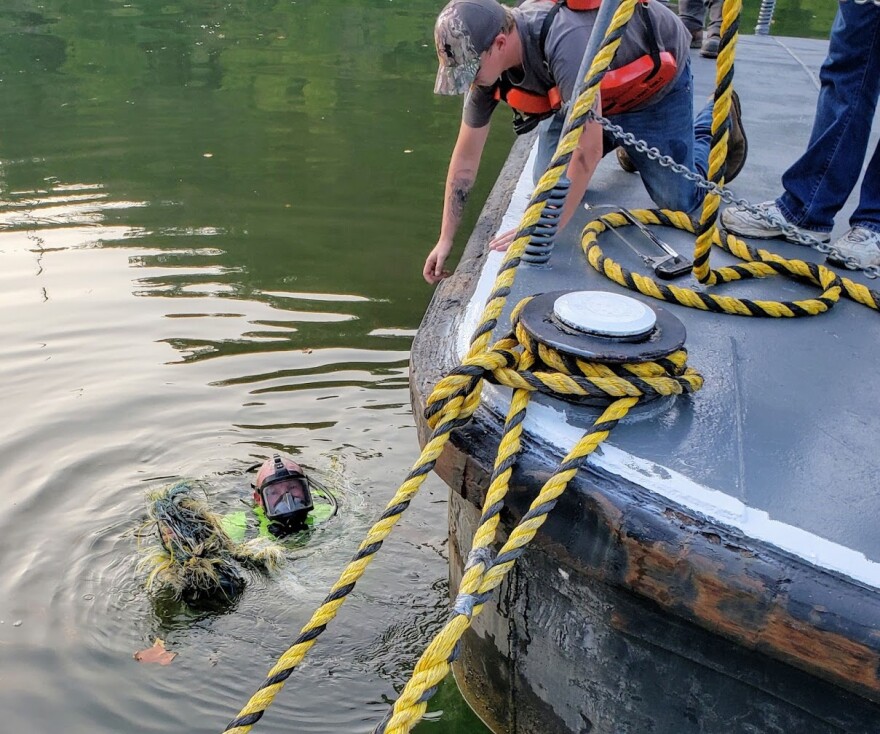
A deckhand from the Dr. Edwin Welch towboat grabs the ball of rope and debris Eric Gardner has just removed from the boat’s propeller.
Being a commercial diver can be difficult work, but Gardner thrives on it. “I’m a man of the river,” he explained. Year-round, he is underwater for two to four hours a stretch. His support team above water maintains an air compressor that sends him air through a hose. Visibility is often so poor that he does everything by feel.
One common task he performs is clearing towboat propellers, also known as props.
“When they get debris into the props or have damage [underneath the boat] or problems they’ll call me out. Lot of times it’s trees, cables and ropes, wound up into props,” he said.
If Gardner can’t fix the tow boats, they have to travel to a dry dock up to 60 miles away and may be out of service for days.
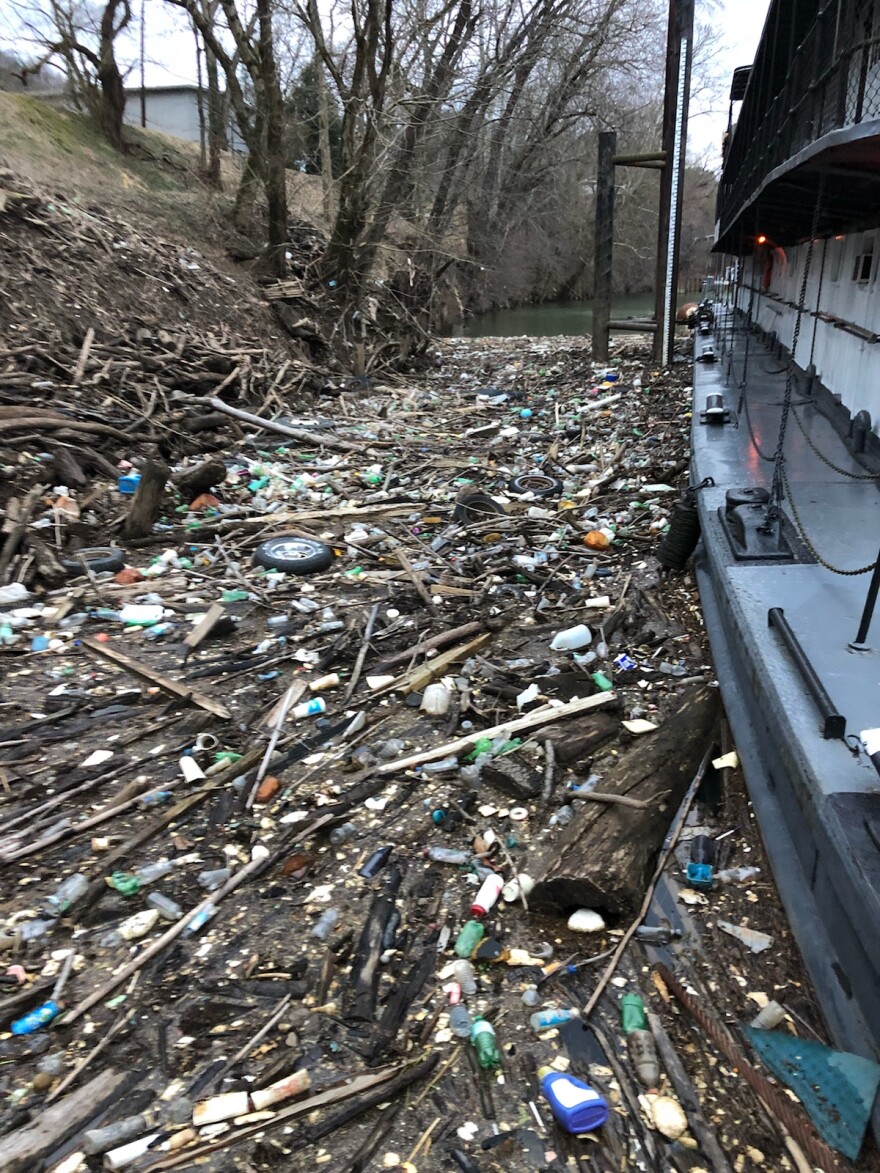
An example of the trash the floats downriver. This is between a towboat and the riverbank.
Spending so much time on, and in, the river, Gardner is troubled by the amount of trash he sees. It often ends up collecting at the locks and dams that aid the barge traffics’ flow along the river. The trash can foul the locks.
“You will have an island full of trash, different debris, tires, refrigerators, anything plastic just floats,” Gardner said.
“It’d be nice if we could come up with a plan and try to work with Army Corps of Engineers to where we may be able to stop this from happening.”.
The US Army Corps of Engineers maintains the locks and dams. A representative explained that there isn’t a safe and cost-effective way to separate the trash from the natural debris so they end up treating it all as natural and sending it on down the river.
Eventually, much of the trash makes it to the Mississippi and the Gulf of Mexico, which then feeds out into the ocean.
West Virginia Attorney General JB McCuskey has launched a broad investigation into many of the state's leading environmental groups, demanding a decade of internal records involving their fundraising and climate change advocacy as part of a probe into “alleged unfair or deceptive acts."
As people take a greater number of medications across years or decades, experts say the risk for adverse drug interactions increases. One way to advocate for yourself? Keep a list of your meds handy. We listen to the latest story from health series, HealthQ, a collaboration between Nashville Public Radio and KFF Health News, with reporters Cara Anthony and Blake Farmer.