Young students at Floyd County, Virginia’s Handmade Music School are compiling a songbook of tunes that have become standards in their community. One of those songs came from influential Virginia bluegrass band The Lost & Found. This summer, Handmade Music School student Rylah Grim spoke with the band’s longtime banjo player Gene Parker, about a song he helped write, called “Brown Hill.”
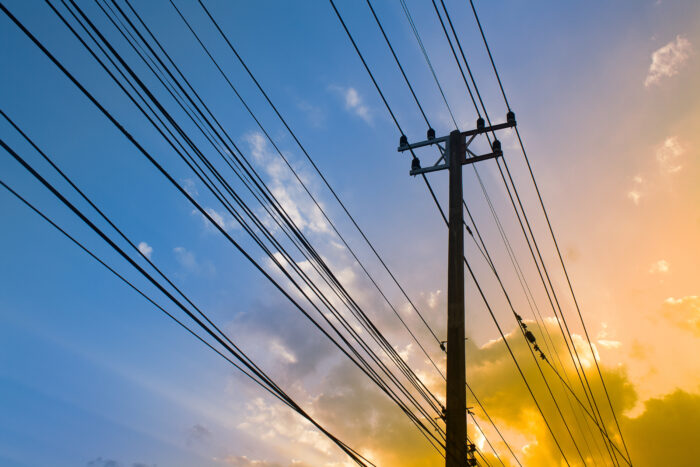
Soaring summer temperatures can mean dangerous conditions for those without power. The Department of Human Services has an emergency fund for those in urgent need. kunpisit/Adobe Stock
Share this Article
Low-income families who need immediate help paying their energy costs can apply for assistance through the West Virginia Department of Human Services.
Applications to the Emergency Low Income Energy Assistance Program (E-LIEAP), will be accepted July 28 through August 8 or until funds are depleted.
Households with gas or electric utilities must present a termination notice when applying. Those with propane, kerosene or other forms of fuel must show that their supply is low at the time of application.
Eligibility for assistance is based on household income and size, starting with a maximum gross monthly income of $2,357 for a single person. The table below shows the allowable income levels for the LIEAP Fiscal Year 2025:
In emergency situations applications must meet with a DoHS worker. For more information on eligibility – and details on how to apply – applicants must go to their local DoHS office. A list of local offices may be found at https://dhhr.wv.gov/pages/field-offices.aspx.
Add WVPB as a preferred source on Google to see more from our team
The TANF program has come under increased scrutiny this year, with state audits showing deficits, a delayed assistance rollout and claims of fraud and misuse by recipients.
Data centers compete with regular customers for energy, but the Federal Energy Regulatory Commission has rejected a proposal that would have shielded them.
An autism non-profit says a series of barriers including low Medicaid reimbursement rates have made it all but impossible for the majority of West Virginia children diagnosed with autism to receive the treatment they need.
Five children, abused at the hands of their adoptive parents and now 8-18 years of age, will share $4.4 million following an agreement between their attorneys and the state of West Virginia.