Alert (09/29/2026): Our Parkersburg TV transmitter is still undergoing maintenance and remains temporarily inoperative. We apologize for the inconvenience.
All our programming is available via our TV livestreams on our website and WVPB Passport. Thank you for your patience!
This week, author Silas House returns with a sweeping new novel. Also, some folks say, you have to fake it 'til you make it, even if you're trying to establish a state park. And, the story of the first Mothman sightings as written by a small town journalist in 1966.
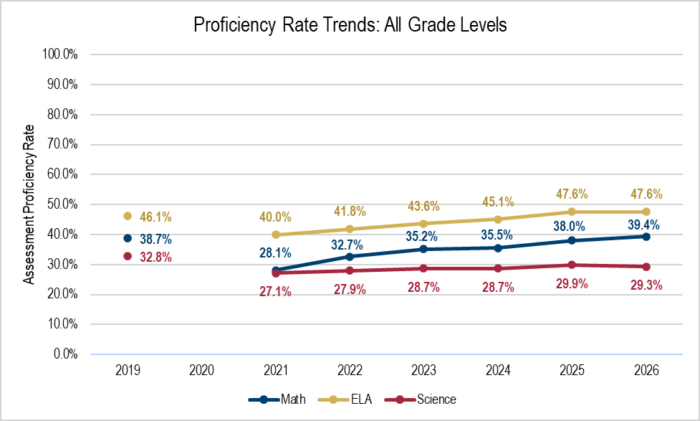
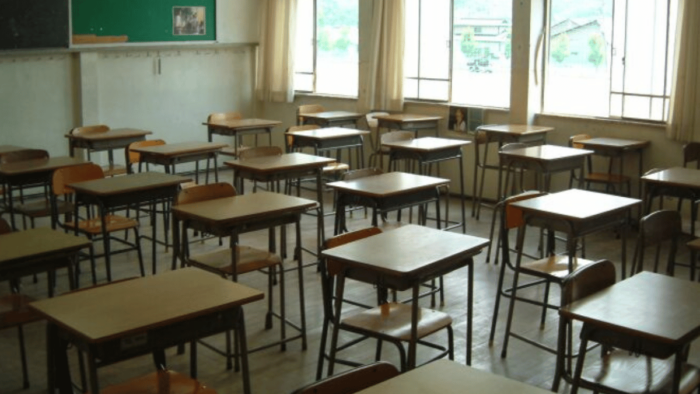
Student assessments in math and English fell nationwide during the COVID-19 pandemic, but students in West Virginia now surpass 2019 proficiency levels.
The West Virginia Board of Education (WVBOE) released the 2026 student assessment results Wednesday with scores above pre-pandemic levels overall and at most grade levels.
Courtesy West Virginia Board of Education
Math And Science
The proficiency rate among all students for math is 39.4%, higher than the 38.7% before the pandemic. Almost all grade levels increased in math, with a 2% increase in Grades 5, 6 and 7 and a 1% increase in Grades 3, 8 and 11, reflecting continued growth in student learning.
Grade 4 proficiency decreased by one percentage point.
In science, which is only administered in Grades 5, 8 and 11, proficiency dropped from 30% to 29%, the same as in 2024.
English Language Arts (ELA)
Overall proficiency remained flat but still above pre-COVID-19 levels. The percent proficient in ELA from 2025 to 2026 increased in Grades 5, 6, 7 and 8. Rates stayed the same in Grades 3 and 4. The outlier was Grade 11, which dropped 4% from 55% to 51%. The national College Board has reported similar results on the SAT School Day in reading and writing from 2025 to 2026 in other states as well.
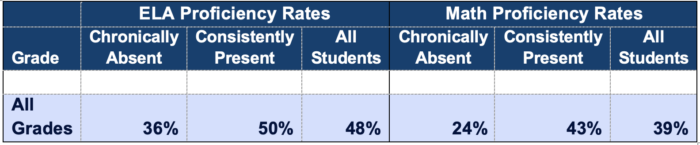
Chronic absenteeism impacts student outcomes, with a distinct correlation of lower proficiency results among students who are chronically absent, according to a press release from the BOE. This includes nearly 15% lower proficiency rates in ELA and 20% lower rates in math across all grades.
“Our teachers, administrators and staff in our public schools are working extremely hard every day to support our students and advance their learning, health and overall outcomes,” Superintendent of Schools Michele Blatt said. “The increases we are experiencing are the result of the dedication of these men and women. They see our children’s potential and ensure their needs are met so they can be successful in school and beyond.” A recent national study ranked West Virginia second in the nation for the most underprivileged children. Contributing factors include low-income households, low workforce participation rates and the number of children living in foster care or with grandparents.
“It is difficult to compare West Virginia with states that have growing economies, bustling populations and higher educational attainment along with higher job participation rates,” Blatt said. “However, as public schools and educators, we will continue to work through our challenges to give our children the best education and opportunities to succeed.”
For complete assessment results, including county- and school-level results, visit the ZoomWV Dashboard.
Add WVPB as a preferred source on Google to see more from our team
On this West Virginia Week, our voter's guide is out, and it has all the information you need to know about the upcoming general election in the state. Also, another lawsuit targets the state's public school funding formula. And, a million dollar giant troll is making its way to the woods of West Virginia.
Silas House is a major voice for Appalachia. The Kentucky native has written more than 15 books and served as the state's poet laureate. His latest book is The Tulip Poplars, a sweeping novel about the lives of four people as they navigate friendship and forbidden love throughout the 20th century. Inside Appalachia's Mason Adams spoke with House.
Ryan Saxe, superintendent of Berkeley County Schools, said the suit is about whether West Virginia school funding system adequately supports what school districts are responsible for providing their students.















 Arria Belli/Wikimedia Commons