Alert (09/29/2026): Our Parkersburg TV transmitter is still undergoing maintenance and remains temporarily inoperative. We apologize for the inconvenience.
All our programming is available via our TV livestreams on our website and WVPB Passport. Thank you for your patience!
This week, ballroom culture offers LBGTQ folks a chance to be as fabulous as they want to be. Also, national media reports on the deaths of notable people, but small, hometown papers add a more personal touch. And, alpha-gal syndrome takes red meat off the menu, but what about ostrich?
Us & Them: Rebuilding Justice In A Divided America
Listen
Share this Article
Just as America faces some of its most critical political divides, our criminal justice system suffers from a lack of public trust. How are these dual crises interwoven?
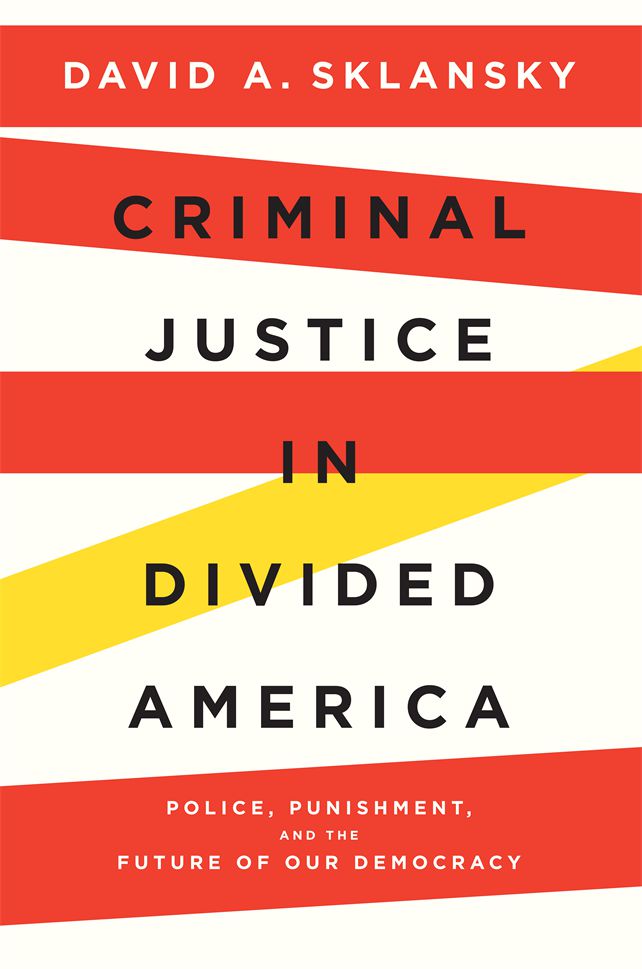
In this episode of Us & Them, host Trey Kay talks with legal scholar David Sklansky, a Stanford professor who co-directs the school’s Criminal Justice Center. In his new book Criminal Justice in Divided America, Sklansky says reforming the nation’s justice system may be at the core of recovering our democracy.
In fact, he says there are clear approaches and solutions to help reform what’s broken and that even the basic concept of the jury trial can re-educate us in the skills and habits required to work across differences in a pluralistic democracy.
In the end, Sklansky says the criminal justice system is one of the few places where Americans of varying beliefs and persuasions engage with each other to make important decisions.
This episode of Us & Them is presented with support from the CRC Foundation and the Just Trust.
Subscribe to Us & Them on Apple Podcasts, NPR One, RadioPublic, Spotify, Stitcher and beyond.
David Sklansky, Stanford Law professor and co-director of the school’s Criminal Justice Center, is the author of Criminal Justice in Divided America: Police, Punishment, and the Future of Our Democracy.
Photo by Scott MacDonald
“I think that the relationship between democracy and criminal justice is very deep and also complicated … effective criminal justice policies rely on democracy, and democracy relies on effective criminal justice policies. You need to understand democracy as a system for allowing people with different commitments and different views to work together, to arrive at collective decisions and to leave room for dissent … not as a conveyor belt that simply delivers what the people want. That’s never been a particularly attractive view, and it’s become even less attractive as the country has splintered apart based on the idea that ‘the people’ want one thing — and if you don’t, you’re not really part of the people.”
On this West Virginia Week, nuclear power in West Virginia takes a step back, Child Protective Services (CPS) settles with five children, and we make a visit to a fire tower.
This week, ballroom culture offers LBGTQ folks a chance to be as fabulous as they want to be. Also, national media reports on the deaths of notable people, but small, hometown papers add a more personal touch. And, alpha-gal syndrome takes red meat off the menu, but what about ostrich?
An autism non-profit says a series of barriers including low Medicaid reimbursement rates have made it all but impossible for the majority of West Virginia children diagnosed with autism to receive the treatment they need.
West Virginia brought in $16 million more than projected for September, 3% ahead of estimate. For the first three months of the fiscal year, collections are up $62 million with increases in most – but not all -- categories.