More than 3,000 pumpkins decorate the Pumpkin House in Kenova, an event that has turned into a community carnival but started out with five simple carved pumpkins.
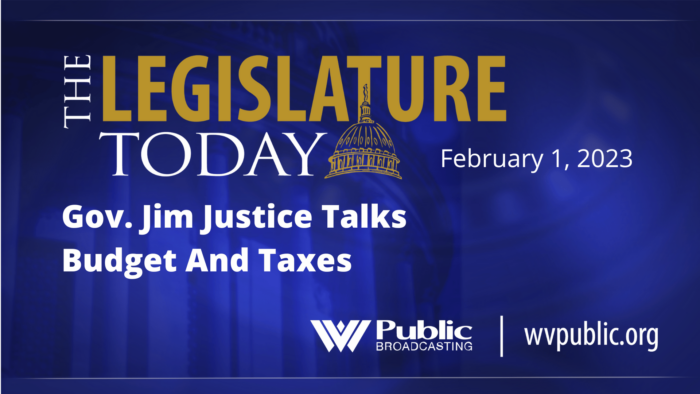
On this episode of The Legislature Today, government reporter Randy Yohe sat down with Gov. Jim Justice to discuss a number of issues facing the state, including budget surpluses and tax reductions.
Also, the Senate passed several bills Wednesday, including Senate Bill 426, which allows the state’s chief information security officer to establish standards for, and ultimately block or ban, access to technological services, apps, programs or products on government devices. One example that has been at the forefront of this debate is the popular app TikTok.
And the Senate Finance Committee spent an hour Tuesday on the budget for the Division of Corrections and Rehabilitation, which oversees the state’s prisons and jails.
Finally, a bill concerning the authority of the Foster Care Ombudsman passed the House of Delegates unanimously.
On this West Virginia Week, urban cryptids get us into the Halloween spirit, a researcher revives forgotten musicians and a conversation with a journalist covering data center development.
This week, data centers are rapidly expanding into rural parts of Appalachia, and folks say they are having trouble finding information about these projects. Also, artificial intelligence is disrupting human art, including fiber arts like crochet. And folks are pushing back, like they always have — with song.
Inside Appalachia this week explores data centers and artificial intelligence (AI). As part of this special episode, host Mason Adams spoke with Dan Parks, a journalist who writes a Substack called Country Roads News. He's been covering data center development in Tucker County. We listen to an excerpt.
Attorney General JB McCuskey claims TikTok violated numerous West Virginia consumer protection laws and created a platform that puts West Virginia kids at risk.