Alert (09/10/2026): Our Parkersburg TV transmitter is undergoing maintenance for a few days and will not be operational. We apologize for any inconvenience.
All our programming is available via our TV livestreams on our website and WVPB Passport. Thank you for your patience!
This week, one thing about Appalachians: we can get competitive. We’re proud of our local food. Love a good hunt. And enjoy competition with friends. We learn the rules and celebrate our victories. You'll hear these stories and more this week, Inside Appalachia.
Home » WVPB Podcasts » Suppressed Mine Wars History Being Revived Inside Appalachia
Published
Suppressed Mine Wars History Being Revived Inside Appalachia
Listen
Share this Article
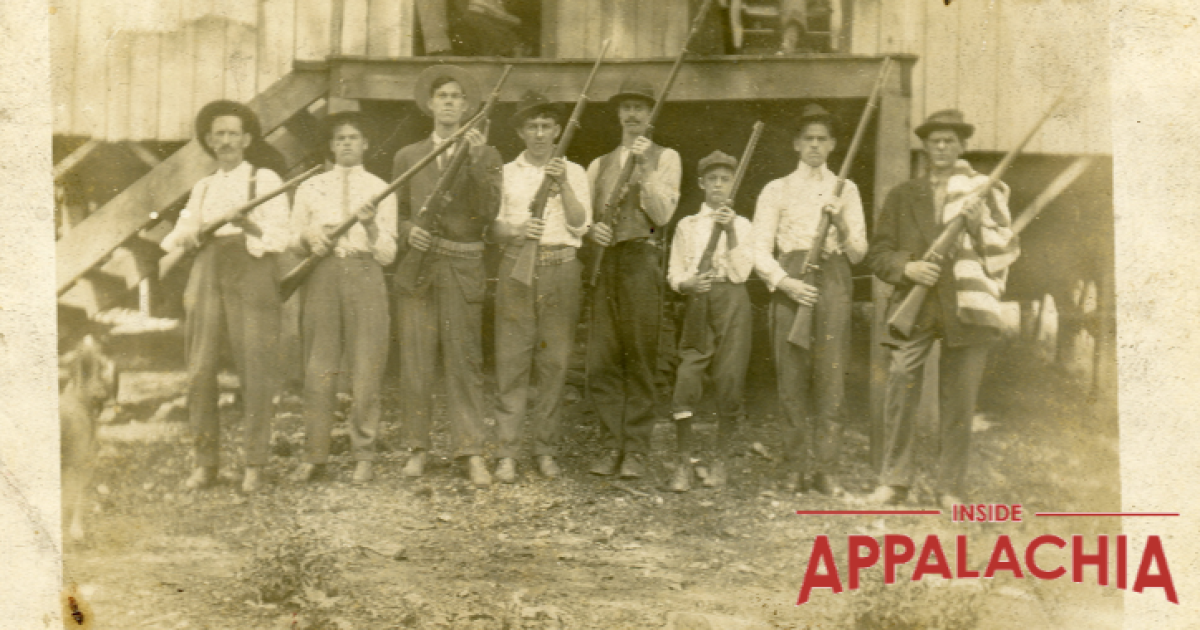
Not many Americans know the story of the Mine Wars that were fought between workers, labor unions and mine company guards during the early 1900s. In this show, Jessica Lilly talks with filmmaker Randy MacLowry, whose new PBS documentary The Mine Wars focuses on these armed uprisings by labor organizers in the coalfields of southern West Virginia.
Was the Mine Wars One of the Sources of Negative Appalachian Stereotypes?
We’ve talked a lot on this show lately about who gets to tell Appalachia’s story. This can get kind of touchy because, well, we’ve been burned before. Even during our struggle for dignity and constitutional rights, the national media was quick to dismiss what they called an “uncivilized” group of Appalachian people.
West Virginia historian Chuck Keeney says many of the national perceptions of us Appalachians may have started during the mine wars. These stereotypes continue to this day.
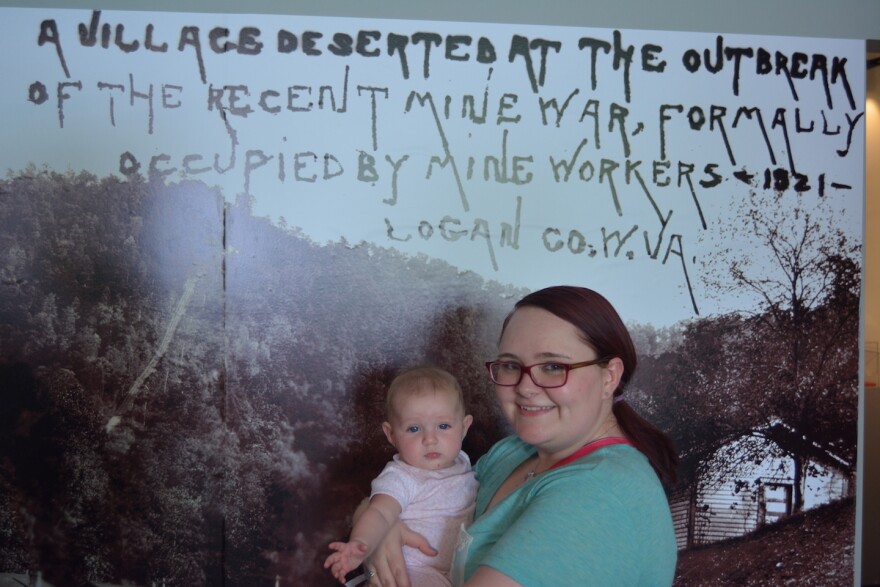
Credit W.Va. Mine Wars Museum
/
Visitors at the Mine Wars Museum in Matewan, W.Va.
Also in this episode:
The Mine Wars history hasn’t been taught by most public school history teachers. We’ll from one West Virginia history buff who’s hoping to change that.
People down in southern West Virginia who say they’re proud to see the history of the mine wars getting more attention through a new Mine Wars Museum.
We’ll also explore the story behind the word “Redneck” and what it has to do with the history of the West Virginia Mine Wars.
Music in this show was provided by Andy Agnew Jr., Ben Townsend, the late Hazel Dickens, Hurray For the Riff Raff as heard on Mountain Stage, Time Eriksen and Riley Baugus from the album Blair Pathways. You also heard music by Alan “Cathead” Johnston with help from Stacy Grubb from the soundtrack of the play “The Terror of the Tug”.
Our What’s in a Name theme music is by Marteka and William with “Johnson Ridge Special” from their Album Songs of a Tradition.
Add WVPB as a preferred source on Google to see more from our team
In recent years, physicians across the country have monitored surges of a condition known as Alpha-Gal Syndrome, which can cause allergic reactions to red meat. Hannah Saad with Appalachia + Mid-South Newsroom member station WKMS reports that, now, farmers, restaurateurs and the afflicted are flocking to a new source of protein.
This week, one thing about Appalachians: we can get competitive. We’re proud of our local food. Love a good hunt. And enjoy competition with friends. We learn the rules and celebrate our victories. You'll hear these stories and more this week, Inside Appalachia.
In southern Ohio, there’s a musical tradition that goes back nearly 1,000 years and 4,000 miles. For Inside Appalachia, Folkways Reporter Capri Cafaro has this story.