Inside Appalachia host Mason Adams sits down with author Greg Mitchell to discuss "Bombshell," a new film from American Experience on PBS that details how the U.S. manipulated the public about the atomic bomb’s development and deployment.
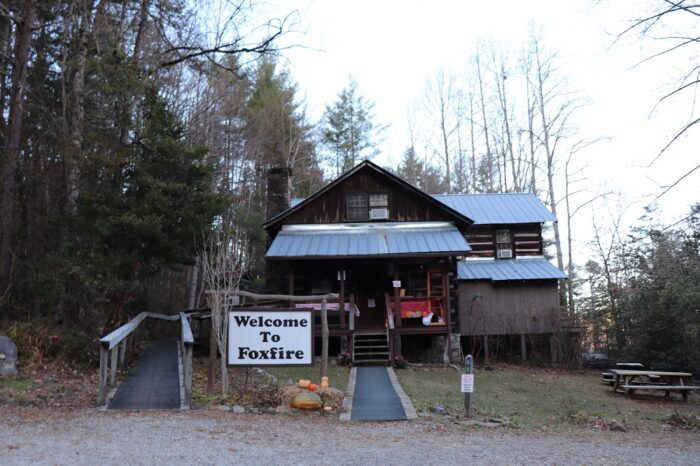
Foxfire began in 1967 as a student-run magazine in North Georgia. It was a way for high school students to collect and share the wisdom and lore from their community members. They named it “Foxfire” after a fungus in the region that glows in the dark.
Over 50 years, it’s grown into a book series, a magazine, a museum, and an oral history archive. One of those oral histories is from 1975 and captures the kind of knowledge that Foxfire collected.
An Appalachian Woman’s Place Often Went Beyond The Home
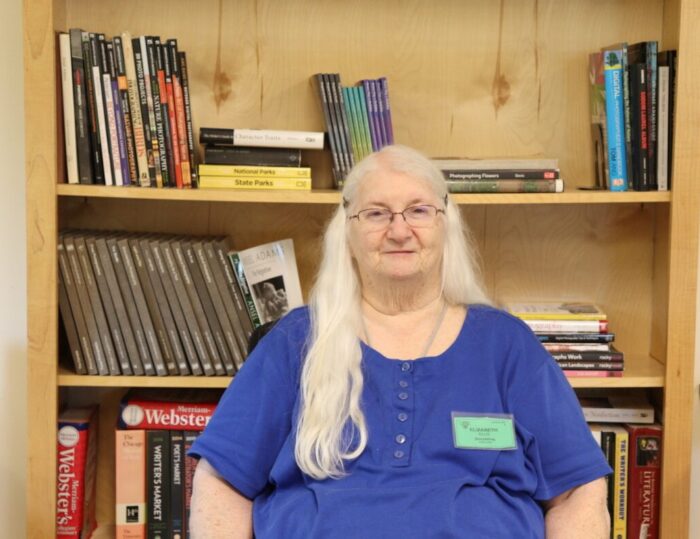
Photo Lilly Knoepp. Appalachian storyteller Elizabeth Ellis is featured in the Foxfire project with Blue Ridge Public Radio,
A lot of the women in older archival Foxfire interviews said that they “didn’t work” but so many Appalachian women were midwives, mothers, and business owners.
Foxfire’s latest collection features 21 women in the book called “The Foxfire Book of Appalachian Women,” edited by then Foxfire education director and museum curator Kami Ahrens. Mason Adams had more.
Oral History Tradition Continues Today
In 2020, Blue Ridge Public Radio partnered with Ahrens to record oral histories and aired them on the radio. BPR’s Lilly Knoepp shared a few.
——
Our theme music is by Matt Jackfert. Other music this week was provided by Bela Fleck and Abigail Washburn, Sean Watkins, The Steel Woods, and Dr. Kathy Bullock and her class at the John C. Campbell Folk School.
Bill Lynch is our producer. Zander Aloi is our associate producer. Our executive producer is Eric Douglas. Kelley Libby is our editor. Our audio mixer is Patrick Stephens.
You can send us an email: InsideAppalachia@wvpublic.org.
For most of us, the cold and ice of the last few weeks have been a struggle, but a group of local rock climbers made the best of it. Also, lawmakers considered bills related to absentee ballot deadlines and medications used to terminate pregnancies.
It has been three years since the East Palestine train derailment. What have we learned about the health impacts from exposure to chemicals on board? Also, ICE officers arrested 650 people in West Virginia over 14 days last month.
We hear from Senate President Randy Smith who in last week's episode of The Legislature Today discussed his goals for supporting small businesses in the state. Also, the Appalachia + Mid-South Newsroom examines how cold can affect your body.
This week, Gov. Patrick Morrisey talks tax cuts, the state Senate discusses adding Bibles to certain classrooms, and the American Lung Association released its annual report card on states’ efforts to reduce smoking.