This week, some of the stories on our show inspired college student art — including a vivid image of a bear smashing a clarinet. Also, a Hare Krishna community in West Virginia serves vegetarian food made in three sacred kitchens. And, COVID-19 exposed the contempt society has for marginalized people. One author says, these folks are anything but passive.
America’s prison system incarcerates millions of people, but at least 95 percent of all state prisoners are released after they serve their sentence. Some struggle to navigate that transition successfully.
On this Us & Them episode, host Trey Kay hears about the challenges of re-entry.
How do we want men and women coming back after prison? How do victim advocates feel about programs designed to help formerly incarcerated people succeed on the outside?
Some suggest an important starting point is to recognize that many of the men and women serving time are victims themselves. Recognizing that trauma may be a powerful step to help people make a new life after they serve their time.
This episode of Us & Them is presented with support from the West Virginia Humanities Council, the CRC Foundation, the Daywood Foundation and The Just Trust.
Subscribe to Us & Them on Apple Podcasts, NPR One, RadioPublic, Spotify, Stitcher and beyond.
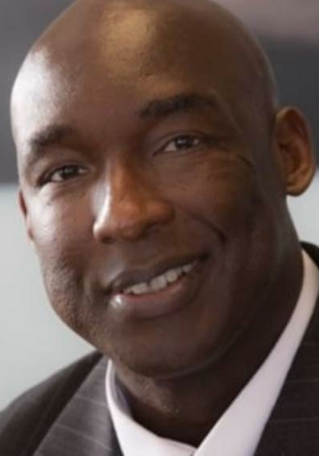
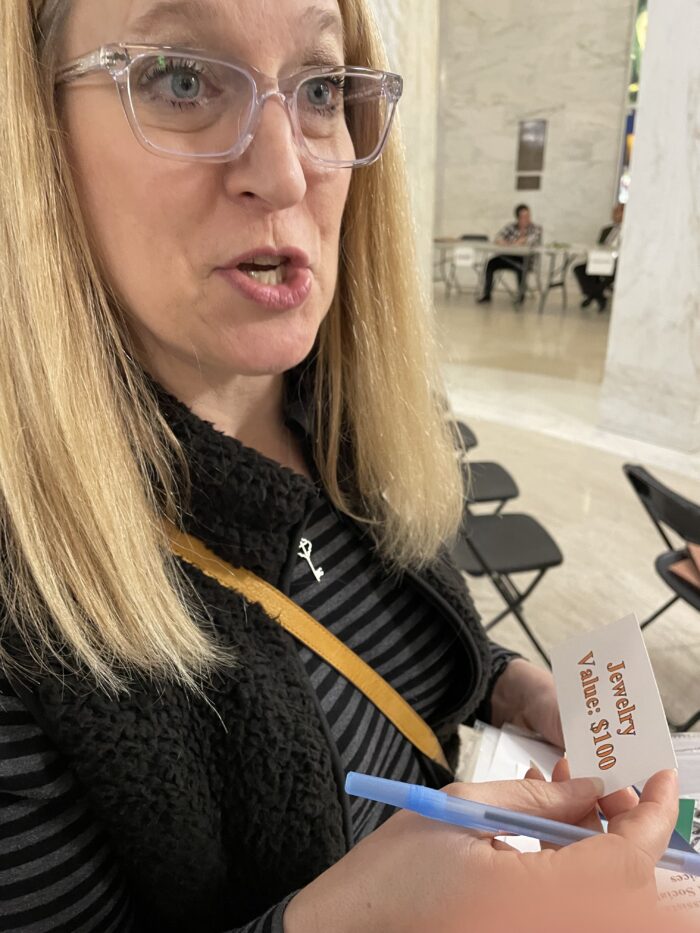
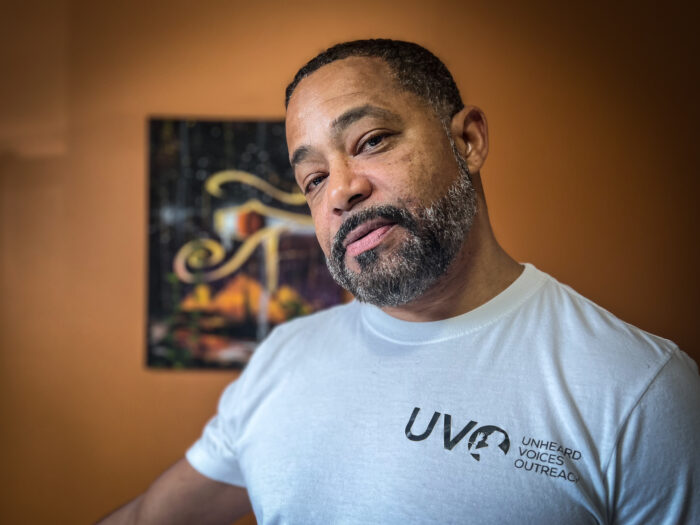
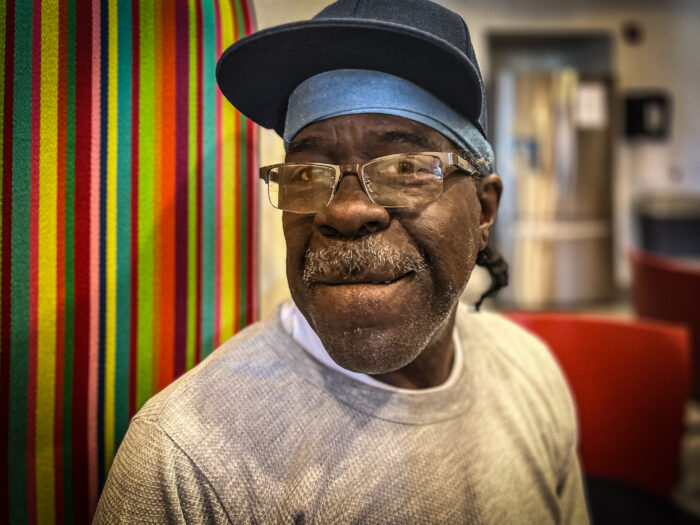
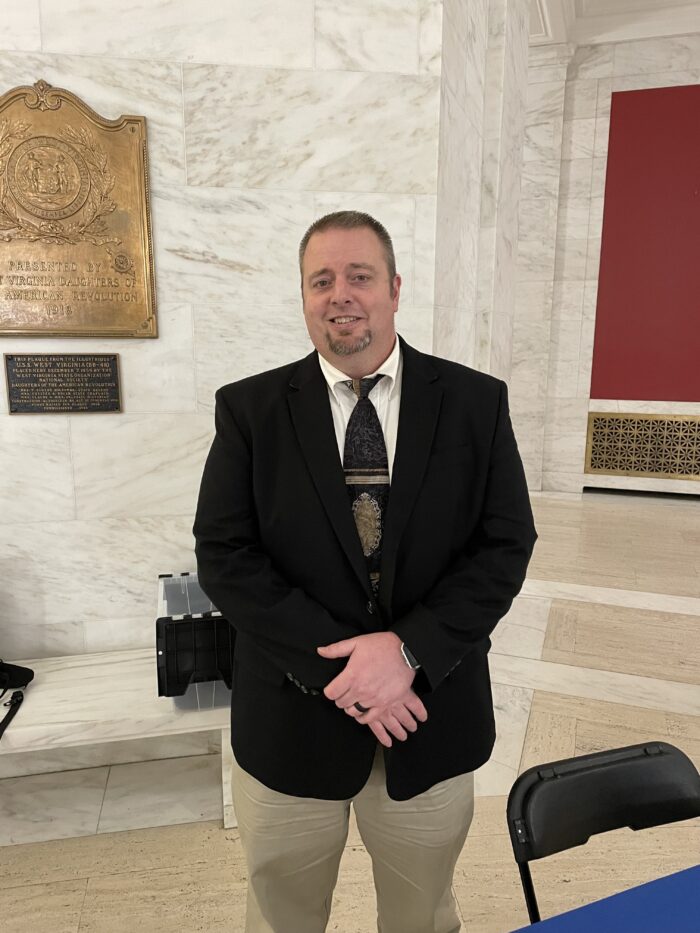
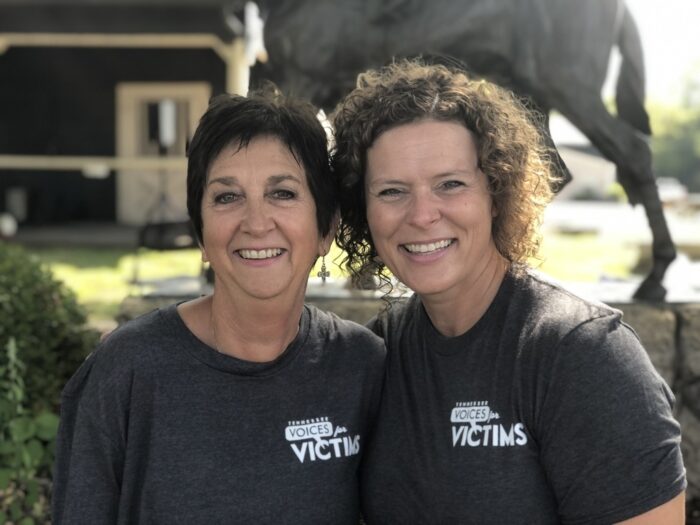
After 10 years in a Connecticut prison, Daryl McGraw is now a criminal justice reform expert. He has experience in the areas of policy development, contract management and project coordination, as well as collaborating with grassroots peer-advocacy agencies and the Connecticut Department of Corrections. Mr. McGraw is a community organizer, activist and philanthropist. He serves on several boards involving re-entry and criminal justice reform in the state of Connecticut. He consults with law enforcement, universities, policy makers, behavioral health and addiction treatment facilities who are looking to expand their knowledge and expertise in the area of criminal justice reform. McGraw says he re-entered society with a plan for who he wanted to be. He then went on to found Formerly Inc. He says he’s been able to implement some reentry ideas to help other formerly incarcerated people reintegrate. Credit: C4 InnovationsMichelle Thompson is Director of Outreach at the Bible Center Church in Charleston, WV. She is participating in a re-entry simulation staged at the West Virginia State Capitol during the 2023 state legislative session. She says that in her job she helps people with all kinds of challenges like getting rental assistance, transportation, and assistance in paying bills. However, this is her first experience in understanding what a formerly incarcerated person experiences when re-entering society. Credit: Trey Kay/West Virginia Public BroadcastingRahim Buford says he was “caged for 26 years of my life, from age 18 to 44, seven different prisons throughout the state of Tennessee.” He says that people of all ages, faiths, races experience challenges when they re-enter society, and that’s why he started his nonprofit Unheard Voices Outreach. CourtesyThomas Murphy or “Tom Tom” was incarcerated for 31 years. His story of re-entry has been quite challenging. CourtesyJeremiah Nelson is with the West Virginia Re-entry Council and the REACH Initiative. REACH stands for “Restore, Empower, Attain Connections with Hope.” They organized the re-entry simulation staged at the West Virginia State Capitol during the 2023 state legislative session. Jeremiah was formerly incarcerated and says for some re-entering society after incarceration, the most important things can be the most basic. Birth certificates, social security cards, IDs and transportation make the difference between surviving in the outside world and landing back inside. In prison, he says a person only makes about a hundred decisions a day. You’re told when and where to do everything. On the outside, life can mean 30,000 decisions a day. Credit: Trey Kay/West Virginia Public BroadcastingVerna Wyatt and Valerie Craig are victims advocates and co-founders of Tennessee Voices for Victims. Wyatt started this work after her sister-in-law, who had been her best friend for 15 years, was raped and murdered. She said her whole world was turned upside down. “I was so angry at people that could do such horrible, despicable things to innocent people that I wanted to prevent that from happening to other people.” Courtesy
On this West Virginia Week, ICE arrests in West Virginia include 650 people, some lawmakers consider changing how residents vote, and rock climbers embrace the cold to scale a frozen waterfall.
On The Legislature This Week, House Finance leaders provide us with some insight into the state budget process. We also hear about lawmakers’ ideas to change local elections, as well as a bill restricting abortion medication in the Senate.
While the West Virginia Legislature may consider hundreds of bills during the 60-day session, there is only one thing they are required by the state constitution to do and that is to pass a balanced budget. The state is not allowed to operate in a deficit. News Director Eric Douglas spoke with House Finance Committee Chair Vernon Criss, R-Wood, and Minority Chair of House Finance Del. John Williams, D-Monongalia, to discuss the process for creating the state budget.
This week, some of the stories on our show inspired college student art — including a vivid image of a bear smashing a clarinet. Also, a Hare Krishna community in West Virginia serves vegetarian food made in three sacred kitchens. And, COVID-19 exposed the contempt society has for marginalized people. One author says, these folks are anything but passive.