This week, too often, people with mental health challenges or substance use disorder wind up in jail. But crisis response teams offer another way. Also, changes to the Endangered Species Act could benefit big business. They could also kill animals like the eastern hellbender. And, in troubled times, a West Virginia writer says to find peace in nature.
Author Interview: 'Vulture: The Private Life of an Unloved Bird'
Listen
Share this Article
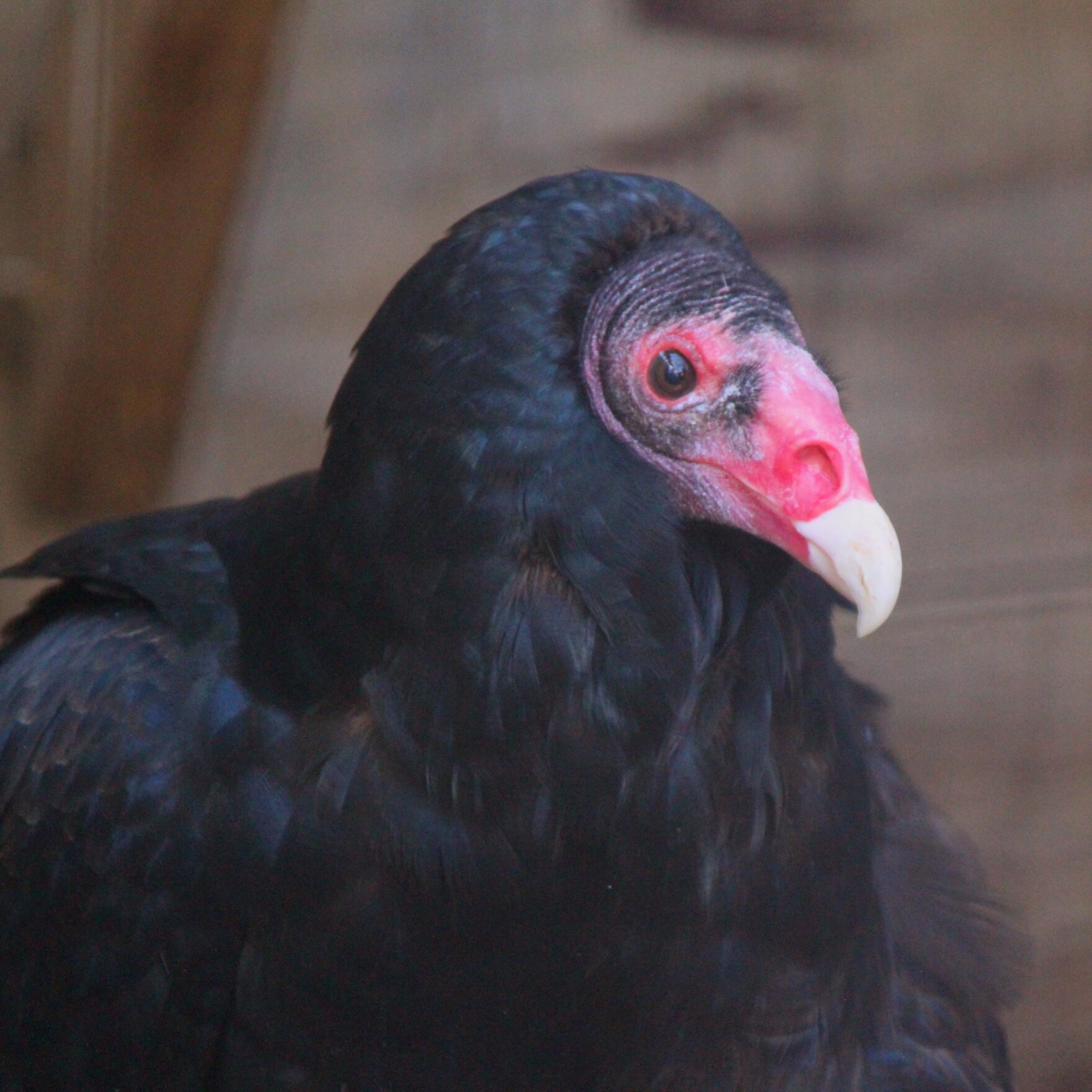
Katie Fallon is the author of “VULTURE: The Private Life of an Unloved Bird.” In an interview with WVPB reporter and Inside Appalachia producer Roxy Todd, Fallon explains while most humans may not like vultures, without them, our interstates and roads would be overflowing with disease, garbage and dead animals.
“I think vultures are sort of a perfect creature,” Fallon said. “They don’t kill anything. They do a really good job cleaning up our ecosystem. They’re sort of the ultimate recyclers.”
She was first drawn to these birds through her work rescuing birds of prey and other migratory birds.
Eventually she and her husband opened the Avian Conservation Center of Appalachia, a non-profit animal sanctuary and rescue center located in Morgantown, West Virginia, that has helped save hundreds of vultures that have been injured and then released them back into the wild.
Fallon said the vultures that are treated by the center have a quiet curiosity about them.
“They really seem to be looking at you and trying to figure things out,” she said. “They’re very timid birds, and I think they’re very charming, in a lot of ways, just in their manner of being curious and quiet.”
To many people, vultures are ugly creatures without much to admire. Even Fallon admits, “they’re maybe not as beautiful up close, or they look kind of wrinkly, but they’re very beautiful when they’re flying.”
But not all cultures have given vultures the bad reputation that many people do today. As Fallon describes, ancient Egyptians were actually very fond of vultures. They believed that all vultures were female. Part of the reason for that may be because both the male and the female take care of the young. Males and females also look look alike in a lot of vulture species.
Credit Adobe Stock/ BasPhoto
/
Ancient Egyptian godess Nekhbet the vulture
“[Ancient Egyptians] also observed vultures regurgitating bloody bits of food and they believed that the female vulture was actually harming herself and feeding her babies her blood and her flesh,” Fallon said. “So female vultures…became the ideal mother in the eyes of many ancient Egyptians.”
Eventually, vultures became the symbol of the protection of the pharaoh. Fallon said vulture iconography is found in many tombs.
“So in a lot of tombs, you can see up in the corner a vulture with her wings spread, and carrying a round symbol in her talons, which is called the shen, which is the symbol of eternity,” she said. “So vultures creating life from death, in kind of a perfect cycle, things die and the vulture eats them, then lives, and creates more life.”
The vulture was also the goddess who protected women in childbirth because the ancient Egyptians believed they were such ideal mothers.
In this interview Fallon also discusses:
The Hinckley, Ohio buzzard festival, where vulture enthusiasts celebrate the migration of these birds
The difference between the words “buzzards” and “vultures” (hint, there are no real buzzards in North American)
How vultures clean up diseases from the ecosystem, neutralizing diseases like anthrax and botulism when they eat roadkill
Credit courtesy Katie Fallon
/
Katie Fallon with a baby turkey vulture
Add WVPB as a preferred source on Google to see more from our team
On this West Virginia Week, the primary election in the state turns ugly and racist, an ambulance driver is indicted for the death of a man in Elkview and Democrats call for an investigation of Senator Jim Justice.
A plan to funnel millions of dollars in oil and gas royalties toward conservation efforts is getting support from an unexpected group. From The Allegheny Front, we learn about fracking proposals in southeastern Ohio – and what WVU researchers say could be the impact on wildlife.
In an effort to attract more horse racing competitors this year to West Virginia, the state Legislature increased the funding cap to $2 million for certain races – and neighboring states are taking similar action. When Golden Tempo won the Kentucky Derby on Saturday, his owner, trainer and jockey won an estimated $3.1 million winning purse. For the Appalachia + Mid-South Newsroom, Justin Hicks reports much of that growth can be attributed to increased gambling on historical horse racing games.
On this West Virginia Week, an opioid settlement reaches a milestone, gas prices shock Sen. Shelley Moore-Capito, R-W.Va., and we have more information on the recent chemical spill near Nitro.