Alert (09/29/2026): Our Parkersburg TV transmitter is still undergoing maintenance and remains temporarily inoperative. We apologize for the inconvenience.
All our programming is available via our TV livestreams on our website and WVPB Passport. Thank you for your patience!
Inside Appalachia Host Mason Adams met with author Barbara Kingsolver at her home outside Abingdon, Virginia, a couple weeks before her new novel "Partita" was set to publish.
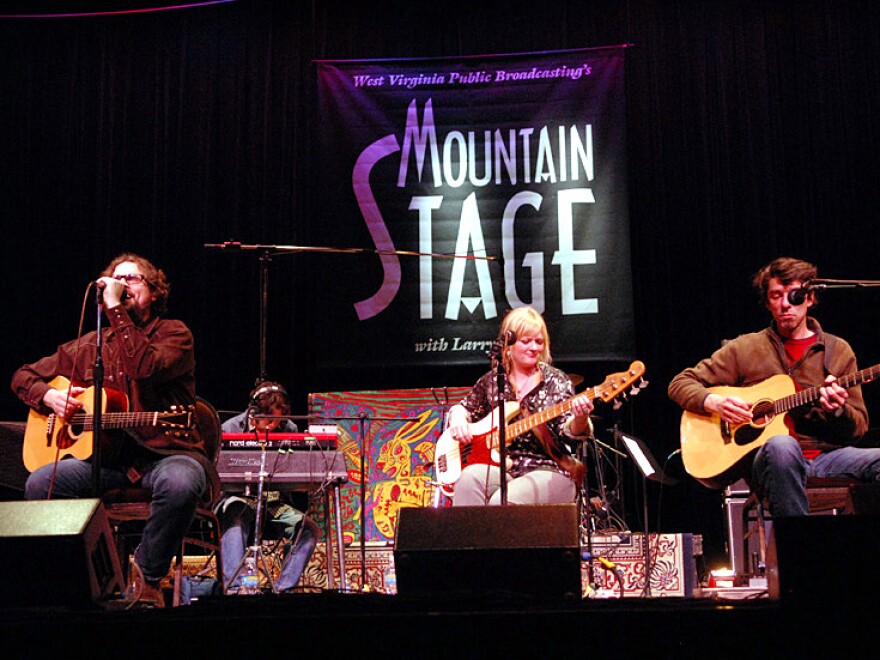
So that snow thing? It’s still happening. (Sadly.) So we’re going to make the best of it by catching up on some cool (pun intended) archived Red Molly and Drive-By Truckers before they each hit the Mountain Stage later this month.
Broadcast from 1am-5am Saturday and Sunday mornings here on West Virginia Public Broadcasting, “Mountain Stage After Midnight” takes the best episodes from the show’s 31 year history and shares their memories and songs with our late-night listeners.
Chill out (second pun intended) this Saturday March 7 and Sunday March 8 for “Mountain Stage After Midnight.”
First up is an August 2011 show recorded at the birthplace of country music in Bristol, Tennessee, with sets from Jim Lauderdale, John Lilly, Red Molly (who are coming back to the Mountain Stage on March 22), David Mayfield Parade and Vince Gill.
Generations ago, kudzu was introduced to Appalachia to help control erosion and provide forage for cattle. But then, it kind of just took over. Kudzu is an invasive plant that chokes out native greenery. Some people are fighting back. Folkways Reporter Eliza Benbow spent time with the kudzu warriors in western North Carolina.
Inside Appalachia Host Mason Adams met with author Barbara Kingsolver at her home outside Abingdon, Virginia, a couple weeks before her new novel "Partita" was set to publish.
On this West Virginia Week, a mine operation in Kanawha County gets a WARN Notice, three Wyoming County Schools will remain closed until next week, and we learn the origins of the Flatwoods Monster.
This week, Barbara Kingsolver’s new novel takes on issues of class and classical music. Also, kudzu warriors band together to fend off invasive plants and take back the land. And, it’s pawpaw season, but a new bug could be harming the trees.