


Room With A View?
Steel stairs lead to the top of the Red Oak Fire Tower where there's a 14-foot square cabin with panoramic windows and a metal catwalk. There's electricity, but no water.
Continue Reading Take Me to More NewsAlert (09/29/2026): Our Parkersburg TV transmitter is still undergoing maintenance and remains temporarily inoperative. We apologize for the inconvenience.
All our programming is available via our TV livestreams on our website and WVPB Passport. Thank you for your patience!




To Educate, Inform, and Inspire by Telling West Virginia's Story

Mountain Readers Week will be held Oct. 5-9, 2026! Celebrate and foster a love of reading in children across West Virginia.
Nominate an exceptional West Virginia K-12 teacher today!

On Demand

On Demand

Stream original productions from WVPB

Watch locally produced documentaries & more.

On Demand

On Demand






West Virginia Morning

Inside Appalachia

West Virginia Week

Mountain Stage

Us & Them

The Legislature Today

The Legislature This Week

Send us your comments and questions.

Stream our board meetings.

Check out the latest WVPB news.

Sign up for our newsletter and get weekly updates.

Meet the WVPB staff.

WV Educational Broadcasting Commission, the WVPB Foundation, and the Friends of WVPB.

Come work with us!

Read our annual report and learn how we educate, inform and inspire with your support.

Sponsor impactful and engaging media and entertainment.

Use your IRA to make a gift to WVPB.

Become a member with your gift of $1,000 or more.

Make WVPB part of your legacy.

Manage your membership account.

Learn how you can Protect and Sustain West Virginia Public Broadcasting.
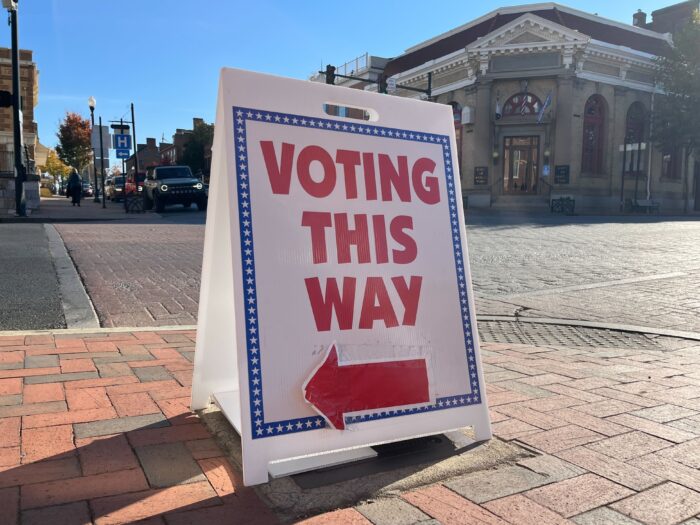
West Virginians will be voting on an amendment to the state constitution this fall.
Secretary of State Kris Warner issued a Public Notice Thursday for a proposed West Virginia Constitutional Amendment relating to the right to vote in elections held in West Virginia.
The amendment states that in all elections held in West Virginia only citizens of the United States who are citizens of the state are qualified to vote.
The full amendment reads:
Only citizens of the United States who are citizens of this state shall be entitled to vote at all elections held within the counties in which they respectively reside; but a person who is a minor, or who has been declared mentally incompetent by a court of competent jurisdiction, or who is under conviction of treason, felony or bribery in an election, or who has not been a resident of the state and of the county in which he or she offers to vote, for 30 days next preceding such offer, shall not be permitted to vote while such disability continues; and, a person in the military, naval, or marine service of the United States shall not be deemed a resident of this state by reason of being stationed therein.
The notice is issued after the legislature approved Senate Joint Resolution 9, titled Citizenship Requirement to Vote in West Virginia Elections Amendment during the 2026 Regular session.
The resolution enjoyed universal support, passing both chambers without a single No vote. It is already illegal for non-citizens to vote in West Virginia elections.
The amendment will appear on the November 3rd General Election ballot.
As part of a now-resolved dispute with the U.S. Department of Justice (DOJ) over sharing of voter registration data, federal officials sent a letter earlier this month warning election officials that they must ensure only U.S. citizens vote and that the DOJ is authorized to prosecute criminal violations of such laws. In response, Warner told federal officials his office is unaware of any evidence of noncitizens on its voter rolls, and requests that the DOJ share any credible information that warrants investigation.
In West Virginia, citizens do not have the power to initiate ballot measures at the state level. The West Virginia Legislature can refer constitutional amendments to the ballot.
2026 will mark the third election in a row to feature at least one amendment on the ballot. In 2024 voters approved an amendment prohibiting people from participating in “the practice of medically assisted suicide, euthanasia, or mercy killing of a person.” And in 2022 voters rejected three amendments that would have limited judicial oversight of impeachment proceedings, expanded legislative oversight of the state board of education and authorized the Legislature to exempt personal property used for business activity from property taxes.
Add WVPB as a preferred source on Google to see more from our team

On this West Virginia Morning, a popular room with a view comes with a history that explains why it’s the hottest new rental around.
Continue Reading Take Me to More NewsThe hotline, staffed by attorneys and law students trained in election laws, helps West Virginians get questions answered before, during, and after an election, and make sure their vote is counted.
Continue Reading Take Me to More NewsVoters can enter their first name, last name, date of birth, and home county to see a list of contests that will appear on the official ballot.
Continue Reading Take Me to More NewsWest Virginia's state parks, forests, and outdoor recreation areas are about to get an upgrade. Gov. Patrick Morrisey announced Wednesday nearly $20 million in investments to modernize and expand the facilities across the state.
Continue Reading Take Me to More News