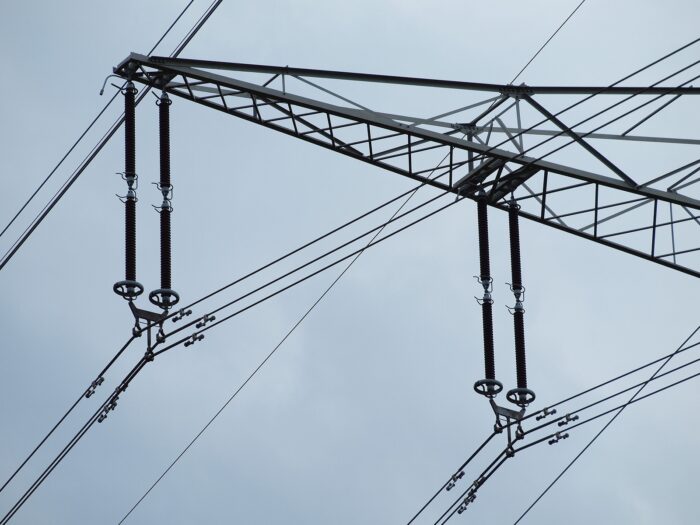
A pamphlet from the nonprofit environmental organization Friends of the Cheat (FOC) gives landowners who may be affected by the MidAtlantic Resiliency Link (MARL) more information about how their lands may be impacted and what to look out for from construction.
The 12-page pamphlet provides basic information including FOC’s origins and contact information and MARL’s proposed route and development timeline. It also includes a list of “commonly permitted construction activities” and potential land impacts for landowners to look out for.
Madison Ball, FOC conservation program director, said her organization saw a surge of community members reaching over the last year since developer NextEra started holding public open houses about the project.
“It’s definitely something that’s been on our radar as well,” she said. “But really, hearing from the community of the folks that are concerned really prompted us to act and try to provide our expertise and share the knowledge that we have about projects like this.”
Ball said erosion and tree cover loss from the construction of the 107.5-mile-long transmission line from Pennsylvania through four West Virginia counties to Virginia would negatively affect vulnerable streams.
“Removing that forested cover and changing it to something that will be permanently open can have impacts from an erosional standpoint with the stream bank and also stream temperature,” she said.
According to Ball, many waterways in Preston County are still effectively dead or recovering from other historical land use including mining.
“We don’t have fish in many of them, and this route goes through some of our remaining high-quality streams that not only have fish, but some of them even have really sensitive fish like brook trout,” she said. “Those fish are sensitive to warming stream temperatures, so we really want to keep them cool, cold water. I believe brook trout have a temperature threshold of 68 degrees. So once the temperature starts going above that, it can actually be pushed out of a stream system.”
The West Virginia Public Service Commission staff recently recommended a delay or dismissal of the transmission line project. Commission hearings are scheduled Oct. 26-Nov. 2.
Landowners have an opportunity to become legally involved in the commission’s process as interveners, but Ball clarified that the legal side of the process is not where FOC’s expertise lies.
“We’re really just wanting to give landowners the information relevant to their properties and understand what impacts might occur on their properties due to the proposed transmission line,” she said. “But the the litigation side of things is not something that we involve ourselves in. So, if that is of concern to landowners, there are other partners that are better suited for that kind of route.”